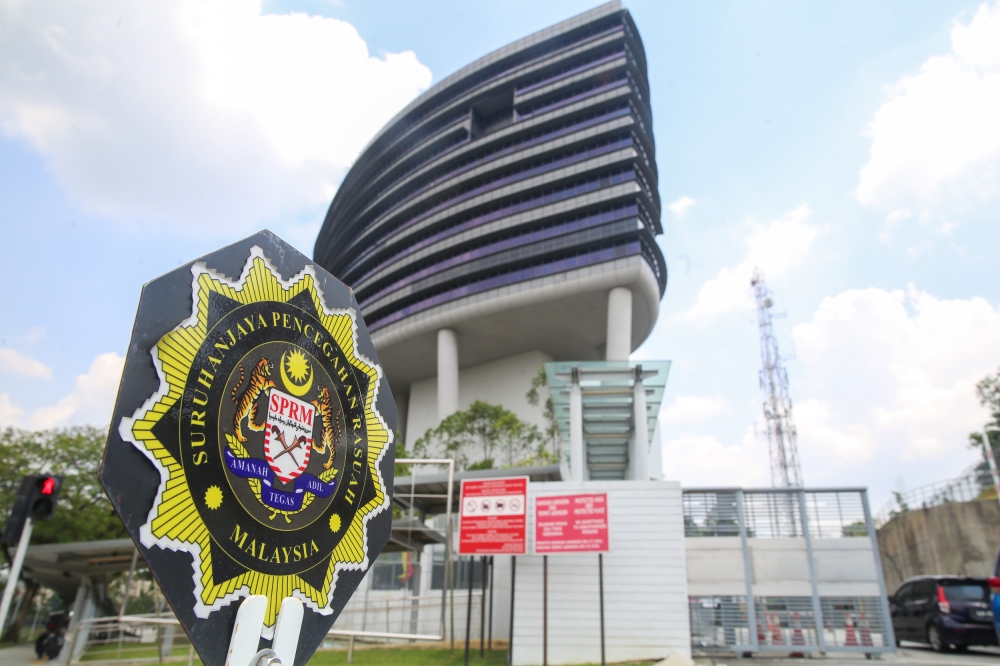
The Malaysian Anti-Corruption Commission (MACC) has expanded its crackdown on alleged digital misconduct within the Immigration Department, announcing the arrest of five more officers connected to unauthorized access of the MyIMMS system. The latest detentions, made in Putrajaya, signal an intensifying enforcement action against what authorities describe as a systematic breach of the national immigration platform, which processes critical travel and identity documentation for millions of Malaysians.
The MyIMMS system represents a cornerstone of Malaysia's digital infrastructure, serving as the backbone for immigration services including visa processing, permit applications, and arrival-departure record management. Any compromise to its integrity carries substantial implications for national security, public safety, and the efficiency of border management. The scale and nature of alleged breaches—involving multiple officers across different operational levels—suggests potential internal vulnerabilities that extend beyond isolated incidents of misconduct.
These additional arrests follow earlier detentions in what appears to be a phased investigation by the MACC, indicating the commission has gathered sufficient evidence to justify expanding enforcement action. The staged approach suggests investigators may be building a comprehensive picture of how the alleged hacking operation functioned, who benefited from unauthorized access, and whether a coordinated network of conspirators within the department was involved. Such methodical progression typically indicates serious organizational concerns rather than random individual malfeasance.
The immigration sector in Malaysia has faced previous challenges regarding system integrity and personnel conduct. The MyIMMS platform itself underwent significant upgrades and modernization in recent years to enhance security protocols and user interface functionality. That allegations of unauthorized access persist despite these improvements raises uncomfortable questions about whether current safeguards remain adequate or whether procedural implementation has fallen short of technical specifications.
For Malaysia's international standing, particularly regarding travel and immigration matters, the scandal carries reputational dimensions. Trading partners and visa-issuing countries monitor the integrity of immigration systems as indicators of overall institutional reliability. Concerns about uncontrolled access to immigration data could influence bilateral discussions on visa reciprocity, recognition of travel documents, and security collaboration protocols with neighboring nations and distant partners alike.
The unauthorized access allegations also highlight broader cybersecurity vulnerabilities within Malaysian government systems. If sophisticated digital intrusions can succeed within Immigration's supposedly protected databases, questions naturally arise about similar risks affecting other sensitive government platforms handling financial records, health data, or administrative intelligence. The incident thus serves as a tangible case study in the broader challenge of securing digital government infrastructure.
For citizens, the implications are equally concerning. Unauthorized access to immigration records could enable identity theft, fraudulent travel permits, visa manipulation, and other crimes that exploit compromised personal information. Individuals whose data may have been accessed through alleged MyIMMS breaches face potential exposure that could extend years into the future through secondary criminal exploitation of compromised details.
The MACC's intervention demonstrates that anti-corruption authorities recognize this matter transcends simple administrative irregularity. Unauthorized access to government systems can constitute misconduct related to breach of public trust, misuse of office, and potentially corruption if the unauthorized access facilitated illicit services, document falsification, or financial impropriety. The commission's involvement suggests investigators suspect dimensions of personal gain or facilitation of illegal activities rather than merely technical negligence.
Malaysia's immigration workforce comprises thousands of officers responsible for frontline service delivery and backend system management. The arrests of multiple personnel simultaneously create operational challenges for department management, potentially affecting processing timelines and service availability during a critical investigation period. Immigration agencies must balance thorough misconduct investigation with maintaining essential services that thousands of travelers depend upon daily.
The investigation also raises important questions about oversight mechanisms within the Immigration Department. How were unauthorized access attempts initially detected? What monitoring systems flagged suspicious activity? Were there earlier warning signs that were inadequately addressed? These procedural questions matter because effective prevention of future breaches depends on identifying where departmental oversight failed to catch misconduct before it expanded.
Looking forward, the MACC investigation will likely inform recommendations for enhanced system access controls, personnel vetting protocols, and audit procedures within immigration agencies. The scandal may accelerate implementation of stricter multi-factor authentication, activity logging, and behavioral monitoring systems designed to make unauthorized system access immediately detectable and virtually impossible to conceal.
The timing of these arrests also occurs amid broader Malaysia government focus on digital transformation and cybersecurity preparedness. Officials have increasingly emphasized protecting critical national infrastructure from both external cyber threats and internal security compromises. The MyIMMS investigation provides concrete evidence supporting arguments for enhanced investment in government digital security and organizational culture emphasizing system integrity.

