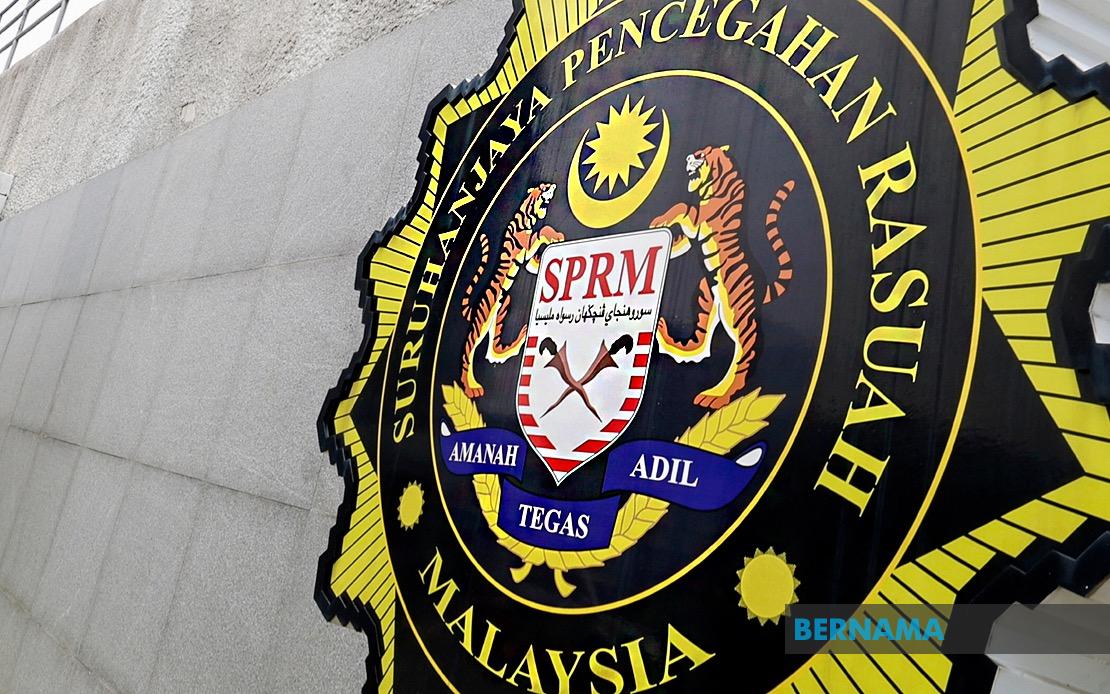
The Malaysian Anti-Corruption Commission has arrested 13 individuals suspected of orchestrating an elaborate bribery scheme involving RM2.5 million in illicit payments to secure government contracts. The operation, which concluded last Monday evening, targeted a serving director and a former director of a government agency operating in Malaysia's northern region, along with 11 other suspects comprising civil servants, company owners and members of the public. The ages of those detained range from 30 to the 60s, painting a picture of an entrenched corruption network spanning multiple generations of officials and businesspeople.
The scheme operated by offering lucrative direct-award and quotation-based projects at the affected government agency exclusively to firms controlled by alleged cartel operatives, effectively shutting out legitimate competitors and inflating project costs. According to preliminary investigations, contractors seeking to win contracts were informed they needed to pay commissions ranging between 10 and 15 per cent of contract values, which would be channelled through intermediaries to the government officials orchestrating the arrangement. This systematic extraction of payments suggests a well-organised corruption ecosystem rather than isolated incidents of individual misconduct.
The MACC's Strategic Communications Division indicated that the fraudulent arrangement allegedly unfolded across a two-year window spanning 2024 and 2026, indicating relatively recent and ongoing criminal activity. The discovery of such contemporary violations raises concerns about the adequacy of current procurement oversight mechanisms and suggests that corruption safeguards within government agencies may require strengthening. The timeframe also implies that some contracts may still be in progress or pending completion, potentially affecting service delivery and value-for-money for taxpayers.
Immediate detention followed swiftly after the 13 suspects provided statements at the MACC's Perak office between 8 pm and 11 pm on the evening they were apprehended. The Ipoh Magistrate's Court subsequently approved differentiated remand periods, with three of the suspects—two civil servants and a company director—granted two-day detention periods, while the remaining 10 faced five-day remand orders extending until June 20. This tiered approach to detention reflects the prosecution's assessment of flight risk and the varying strength of evidence against individual suspects.
The enforcement action formed part of Operation Drain, a comprehensive MACC initiative launched to dismantle what authorities characterise as a procurement cartel. The operation deployed considerable resources across multiple states, with simultaneous raids conducted at 25 locations spanning Kuala Lumpur, Selangor, Pahang and Perak. These simultaneous raids across jurisdictions prevented suspects from destroying evidence or coordinating narratives, a standard tactic in anti-corruption enforcement designed to maximise the recovery of incriminating material.
The asset seizures resulting from the operation revealed the scale of financial flows associated with the scheme. Enforcement officers recovered approximately RM1.5 million in cash, along with a luxury watch, two vehicles, a high-powered motorcycle and jewellery collectively valued at approximately RM1 million. The recovery of high-value personal assets hints at lifestyle inflation among the suspects, a classic indicator of unexplained wealth that often catches the attention of anti-corruption investigators.
The charges operate under Section 17(a) of the MACC Act 2009, which addresses solicitation and acceptance of gratification in connection with government positions and functions. This statutory provision creates criminal liability for both the officials who receive bribes and the private actors who offer them, establishing a coordinated legal framework for prosecuting both sides of the corruption transaction. The charge selection indicates MACC confidence in establishing clear links between the payments and the officials' government functions.
This case exemplifies persistent vulnerabilities in government procurement systems, particularly in the award of discretionary contracts through direct quotation methods rather than competitive tendering. Such mechanisms create natural points of vulnerability where officials wielding discretionary authority can extract illicit payments from bidders. The cartel structure revealed in this investigation suggests that companies may have accepted paying commissions as a cost of business, effectively passing these expenses to government agencies and ultimately to taxpayers through inflated project costs.
For Malaysian readers and regional observers, the operation underscores the MACC's continued focus on rooting out institutional corruption within government agencies. The scale of the operation and the inclusion of both sitting officials and private sector participants indicates systematic rather than ad-hoc corruption. As Malaysia grapples with enhancing transparency and governance standards, procurement remains a critical vulnerability point where cartels exploit information asymmetries and discretionary authority to extract rents from the public system.