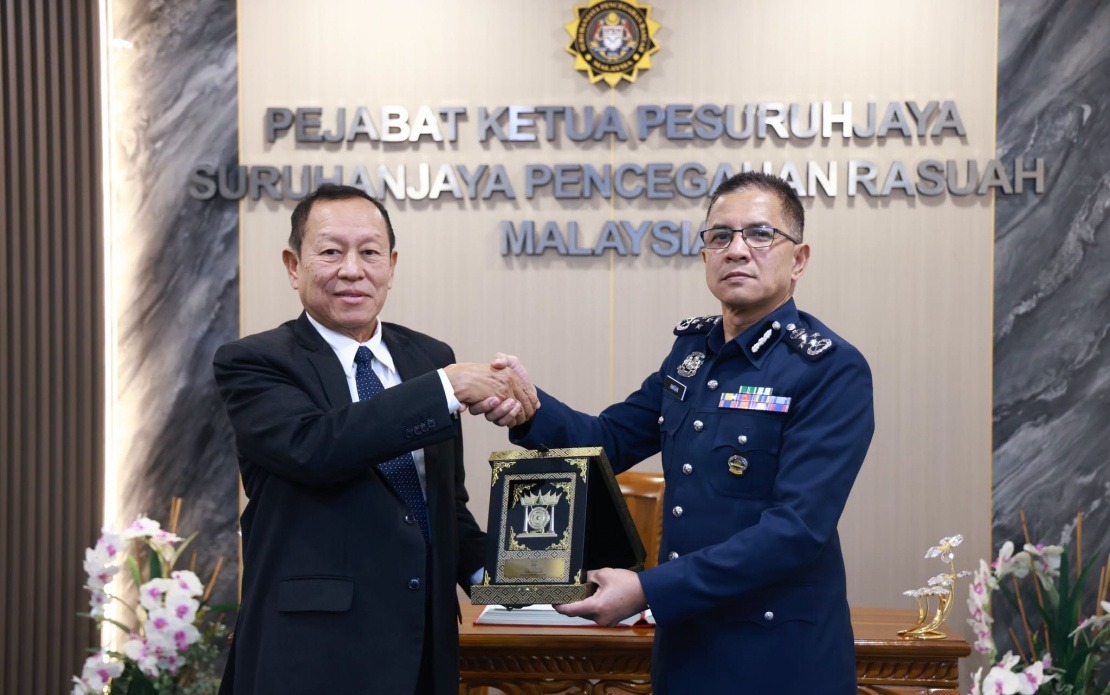
Malaysia's two key enforcement agencies are joining forces to tackle mounting challenges at the nation's ports. The Malaysian Anti-Corruption Commission (MACC) and the Royal Malaysian Customs Department (JKDM) have announced plans to establish a specialised task force aimed at strengthening enforcement operations and tax collection mechanisms across the country's strategic maritime entry points. The proposal emerged from a high-level strategic meeting held at MACC headquarters in Putrajaya, where JKDM director-general Datuk Amran Ahmad visited to discuss operational coordination with MACC chief commissioner Datuk Seri Abd Halim Aman.
The collaboration represents a significant step toward addressing systemic vulnerabilities that have long plagued Malaysia's customs operations. During their one-hour meeting, both agencies identified critical areas requiring immediate attention, particularly the bureaucratic impediments affecting customs inspection procedures and the structural gaps that have allowed leakages in container management systems nationwide. These operational bottlenecks have created opportunities for organised criminal syndicates to exploit port infrastructure, making the joint task force a necessary institutional response to evolving threats in the maritime trade sector.
The smuggling and tax evasion problem remains substantial across Malaysian ports. JKDM has documented increasingly sophisticated methods employed by criminal networks seeking to circumvent customs duties and regulatory oversight. Among the tactics identified are the falsification of shipping documents, misrepresentation of cargo contents, and the deliberate undervaluation of goods to reduce applicable taxes. These practices cost the government significant revenue annually and distort legitimate trade competition, placing honest importers and exporters at a disadvantage while enriching illegal operators.
Particularly troubling is the emergence of schemes involving currency manipulation and false cash declarations. Individuals and syndicates have developed methods to bring substantially larger quantities of cash into Malaysia than officially declared, effectively evading currency monitoring and taxation obligations. These practices not only deprive the state of legitimate revenue but also facilitate money laundering and the financing of illicit activities. The detection of such schemes underscores the need for enhanced intelligence sharing between customs and anti-corruption authorities.
The MACC's participation in this initiative signals a broader institutional recognition that corruption and customs violations are interconnected problems requiring coordinated responses. When customs officials are compromised through bribery or coercion, they become enablers of the very smuggling operations they are mandated to prevent. By involving the anti-corruption commission, the new task force will be positioned to investigate and prosecute corruption within customs ranks while simultaneously targeting the external criminal networks that profit from such institutional failures.
For Malaysian businesses and consumers, the implications are multifaceted. Strengthened port enforcement should theoretically reduce the availability of contraband goods and illicit products, potentially improving public safety and product quality standards. Additionally, by curbing widespread tax evasion at ports, the task force could improve the fiscal environment, ensuring that legitimate tax revenues support public services and infrastructure development. However, implementation success will depend heavily on the allocation of resources, training quality, and the political will to pursue investigations impartially regardless of suspect status or influential connections.
The task force's effectiveness will also be tested by its capacity to modernise surveillance and inspection technologies at Malaysian ports. Many Southeast Asian jurisdictions have invested in automated scanning systems, data analytics platforms, and intelligence-sharing networks that enable more targeted and efficient inspections. Malaysia's ports, handling substantial volumes of international trade, would benefit from similar technological upgrades to reduce inspection times while enhancing detection capabilities. The MACC-JKDM initiative provides an opportunity to recommend such modernisation within the broader anti-corruption and revenue protection framework.
Regional context further emphasises the urgency of this collaboration. The Strait of Malacca and surrounding waters remain critical global shipping routes, and Malaysian ports serve as transshipment hubs for trade across Southeast Asia. This geographic significance makes them attractive targets for smugglers seeking to exploit regulatory differences between nations. When cargo passes through Malaysian ports with inadequate oversight, it can continue to regional destinations with compromised integrity. Conversely, effective Malaysian enforcement creates positive spillover effects, raising the cost and complexity of regional smuggling networks and encouraging compliance among traders.
The integrity initiatives mentioned by JKDM director-general Amran Ahmad highlight another dimension of this effort. By inviting MACC personnel to conduct anti-corruption training programmes for customs staff, both agencies are addressing the human factor in enforcement failure. Corruption among frontline officers typically stems from inadequate compensation, insufficient monitoring, and weak institutional cultures that fail to foster ethical values. Systematic integrity training, coupled with improved performance management, can reshape institutional norms and reduce the susceptibility of personnel to bribery.
Looking ahead, observers will scrutinise how the task force translates these good intentions into measurable outcomes. Success metrics should include seizure rates for contraband, prosecution figures for customs corruption, recovered tax arrears, and improvements in legitimate trade facilitation times. The agencies must also establish transparent reporting mechanisms to ensure accountability and public confidence. Without clear performance benchmarks and regular public disclosure of findings, the task force risks becoming another bureaucratic layer without substantive impact on port integrity and revenue protection.
The collaboration also opens possibilities for enhanced cooperation with other enforcement agencies, including the Malaysian Police, the Border Security Agency, and financial intelligence units. Smuggling and tax evasion often involve money laundering and financial crimes that transcend customs jurisdiction. A comprehensive approach integrating multiple enforcement bodies could amplify deterrent effects and prosecutorial reach. Such institutional coordination requires careful legal framework development to ensure proper information sharing while protecting investigative independence and due process rights.
Ultimately, the MACC-JKDM task force represents an acknowledgment that Malaysia's port infrastructure faces genuine security and revenue protection challenges requiring sustained institutional attention. The success of this initiative will significantly influence not only Malaysia's fiscal health and trade environment but also the broader security architecture of Southeast Asian maritime commerce.

