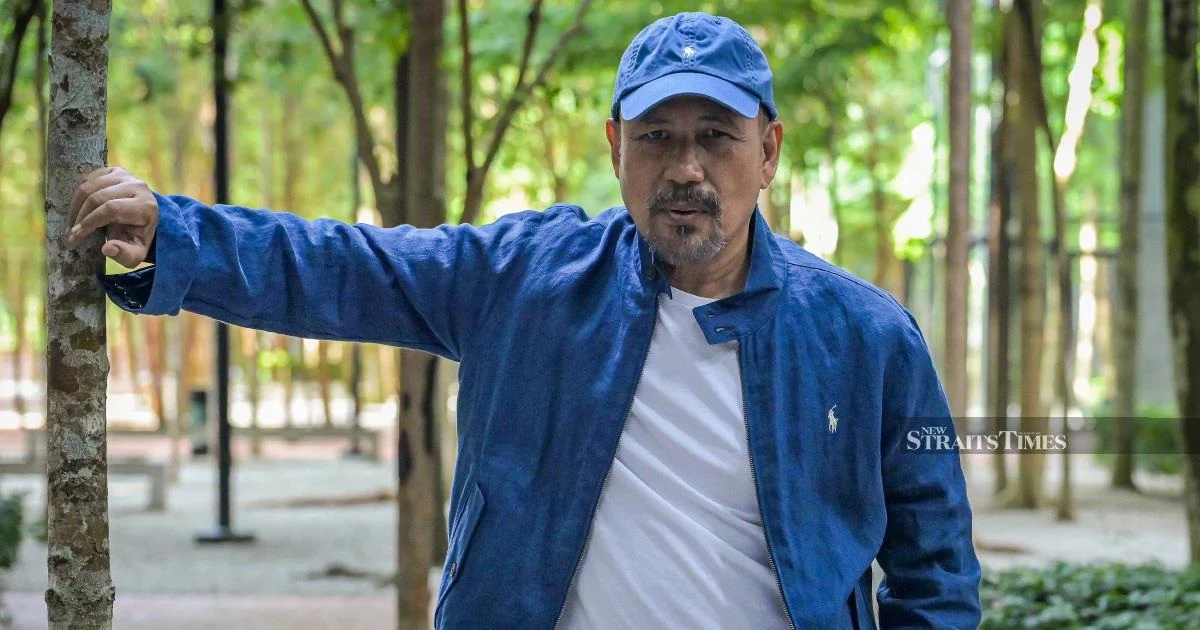
Iconic Malaysian musician Datuk M. Nasir has taken legal action against ride-hailing and delivery services operator MyTeksi Sdn Bhd, the parent company of Grab Malaysia, seeking RM5 million in damages over allegations that his name was exploited without consent to promote a beverage brand. The renowned artiste has chosen to remain largely guarded when discussing the particulars of the dispute, though he has articulated his fundamental position on the matter with unmistakable clarity.
The lawsuit represents a significant clash between personal branding rights and corporate marketing practices in Malaysia's entertainment and digital economy sectors. As someone who has built a formidable career spanning decades, M. Nasir's assertion centres on what he views as a fundamental violation of his right to control how his identity is leveraged commercially. This principle—often termed the right of publicity—has become increasingly important as brands seek to capitalise on celebrity associations and public figures' established reputations without always securing proper authorisation.
MyTeksi's operations in Malaysia have expanded considerably beyond its original ride-hailing services into the beverage and food delivery ecosystem. The company's diversification strategy appears to have created complications around brand permissions and celebrity endorsement protocols, if M. Nasir's allegations prove substantiated. The distinction between using someone's image or explicit name endorsement versus invoking their name as a marketing device remains a contentious area where legal standards continue to evolve across Southeast Asia.
For Malaysian consumers and industry observers, this case highlights the increasingly blurred boundaries between commercial activity and personal rights in the digital age. When corporations leverage personality-based marketing without explicit agreements, they risk not only legal consequences but also erosion of trust among both celebrities and the general public. The case underscores how rapidly growing tech companies sometimes overlook traditional intellectual property and personality rights in their enthusiasm to expand market reach.
M. Nasir's decision to pursue formal legal remedies rather than settle quietly suggests he views this matter as establishing an important precedent. Musicians and entertainment figures in Malaysia have historically had limited avenues for protecting their names and reputations against commercial misuse, particularly when dealing with large corporate entities. His willingness to engage the courts may encourage other Malaysian artists to be more proactive in safeguarding their personal brands.
The RM5 million figure, while substantial, reflects both the economic value of M. Nasir's brand equity and the compensatory damages he believes appropriate for the alleged infringement. Calculating such damages typically involves assessing the commercial benefit the company gained through the unauthorised association, the harm caused to the artiste's reputation and marketability, and general deterrent considerations. In the context of Malaysia's commercial litigation, this amount signals the seriousness with which M. Nasir's legal representatives view the transgression.
Grab Malaysia and its parent MyTeksi have not issued extensive public statements on the dispute, though such cases often proceed through formal legal channels before public positions are articulated. The company's silence thus far may reflect standard litigation strategy—avoiding statements that could be used against them in court proceedings. However, the case will inevitably draw scrutiny regarding how multinational technology platforms operating in Malaysia manage celebrity and public figure associations within their expanding service portfolios.
The entertainment and digital services industries in Malaysia operate within an increasingly sophisticated ecosystem where brand partnerships, endorsements, and celebrity associations constitute significant economic value. When disputes arise, they often expose gaps in how contracts and permissions are documented and managed, particularly when marketing campaigns span multiple service verticals or regional markets. This case may prompt industry-wide recalibration of practices regarding celebrity name usage.
For Malaysian talent agents, entertainment managers, and entertainment lawyers, the case serves as a practical reminder about the importance of documenting all agreements involving public figures' names, images, and personas. Even informal associations or casual mentions in marketing materials can potentially expose companies to substantial liability if they lack proper authorisation. The precedent established by M. Nasir's lawsuit could reshape how Malaysian companies approach celebrity and public figure engagement.
The broader cultural context is equally significant. M. Nasir represents a generation of Malaysian artists who built their careers through extraordinary talent and public appeal, earning the right to control their commercial destinies. His legal challenge implicitly asks whether contemporary corporate entities, regardless of their scale or technological sophistication, should enjoy different standards when exploiting established public figures compared to how they might negotiate with smaller or newer personalities. This question extends beyond entertainment into broader discussions about power imbalance in commercial relationships.
As the litigation progresses through Malaysia's court system, observers will watch whether the judgment clarifies the boundaries of permissible commercial name usage and whether it adequately protects public figures against brand exploitation. The case's outcome could influence how technology companies and traditional corporations alike approach their interactions with Malaysian celebrities and public personalities in future ventures. For M. Nasir, the lawsuit represents not merely financial compensation but vindication of a principle he considers fundamental to his dignity and professional autonomy in an increasingly commercialised entertainment landscape.
%22%2F%3E%3C%2Fpattern%3E%3C%2Fdefs%3E%3Crect%20width%3D%22100%25%22%20height%3D%22100%25%22%20fill%3D%22url(%23ph520m0g)%22%2F%3E%3Crect%20width%3D%22100%25%22%20height%3D%22100%25%22%20fill%3D%22url(%23ph520m0p)%22%2F%3E%3Ctext%20x%3D%2250%25%22%20y%3D%2250%25%22%20text-anchor%3D%22middle%22%20dominant-baseline%3D%22central%22%20fill%3D%22rgba(255%2C255%2C255%2C0.95)%22%20font-family%3D%22Georgia%2C%20'Times%20New%20Roman'%2C%20serif%22%20font-weight%3D%22700%22%20font-size%3D%22226%22%20letter-spacing%3D%22-0.02em%22%3ERussia%3C%2Ftext%3E%3C%2Fsvg%3E)
%22%2F%3E%3C%2Fpattern%3E%3C%2Fdefs%3E%3Crect%20width%3D%22100%25%22%20height%3D%22100%25%22%20fill%3D%22url(%23ph3za67g)%22%2F%3E%3Crect%20width%3D%22100%25%22%20height%3D%22100%25%22%20fill%3D%22url(%23ph3za67p)%22%2F%3E%3Ctext%20x%3D%2250%25%22%20y%3D%2250%25%22%20text-anchor%3D%22middle%22%20dominant-baseline%3D%22central%22%20fill%3D%22rgba(255%2C255%2C255%2C0.95)%22%20font-family%3D%22Georgia%2C%20'Times%20New%20Roman'%2C%20serif%22%20font-weight%3D%22700%22%20font-size%3D%22226%22%20letter-spacing%3D%22-0.02em%22%3EPolice%3C%2Ftext%3E%3C%2Fsvg%3E)
%22%2F%3E%3C%2Fpattern%3E%3C%2Fdefs%3E%3Crect%20width%3D%22100%25%22%20height%3D%22100%25%22%20fill%3D%22url(%23ph2h98gg)%22%2F%3E%3Crect%20width%3D%22100%25%22%20height%3D%22100%25%22%20fill%3D%22url(%23ph2h98gp)%22%2F%3E%3Ctext%20x%3D%2250%25%22%20y%3D%2250%25%22%20text-anchor%3D%22middle%22%20dominant-baseline%3D%22central%22%20fill%3D%22rgba(255%2C255%2C255%2C0.95)%22%20font-family%3D%22Georgia%2C%20'Times%20New%20Roman'%2C%20serif%22%20font-weight%3D%22700%22%20font-size%3D%22226%22%20letter-spacing%3D%22-0.02em%22%3ETengku%3C%2Ftext%3E%3C%2Fsvg%3E)