The luxury fashion world has undergone a curious inversion. Once, a designer label signified pristine craftsmanship, immaculate stitching, and garments so carefully finished that a single thread out of place would trigger concern. Today's haute couture celebrates the opposite: intentionally distressed fabrics, manufactured stains, deliberate tears, and what the industry euphemistically calls a "lived-in" aesthetic. This paradoxical trend reveals something profound about contemporary consumer values and the psychology behind why wealthy shoppers now willingly pay premium prices for clothing that appears to have endured years of neglect.
The shift began subtly but has accelerated dramatically across the luxury spectrum. Chanel, synonymous with understated elegance for over a century, now offers its iconic 2.55 handbag in a deliberately deformed silhouette, as though crushed under a careless heel. Prada presents collections featuring what appears to be age-induced discolouration—yellowish marks reminiscent of vintage pieces stored in dark corners. Coach capitalised on this appetite for authenticity by launching "Loved Leather," essentially pre-scuffed bags designed to evoke the patina of genuine wear. The line proved so popular that the brand has already expanded the offering this season with additional colourways. These are not mistakes or quality control failures being marketed creatively; they are deliberate design choices commanding significant price premiums.
The economics of this trend merit examination. Waiting lists for distressed luxury items have grown remarkably long, suggesting demand far outstrips supply. From a business perspective, this transformation is ingenious: designers achieve dramatic cost savings by eliminating meticulous finishing processes, yet customers view the reduced perfection as increased value. The labour-intensive work of creating invisible seams and flawless hems has been replaced by artfully placed damage, yet the price tags remain at luxury levels. What once represented sloppy production now represents deliberately curated imperfection, a conceptual rebranding that has proved phenomenally profitable.
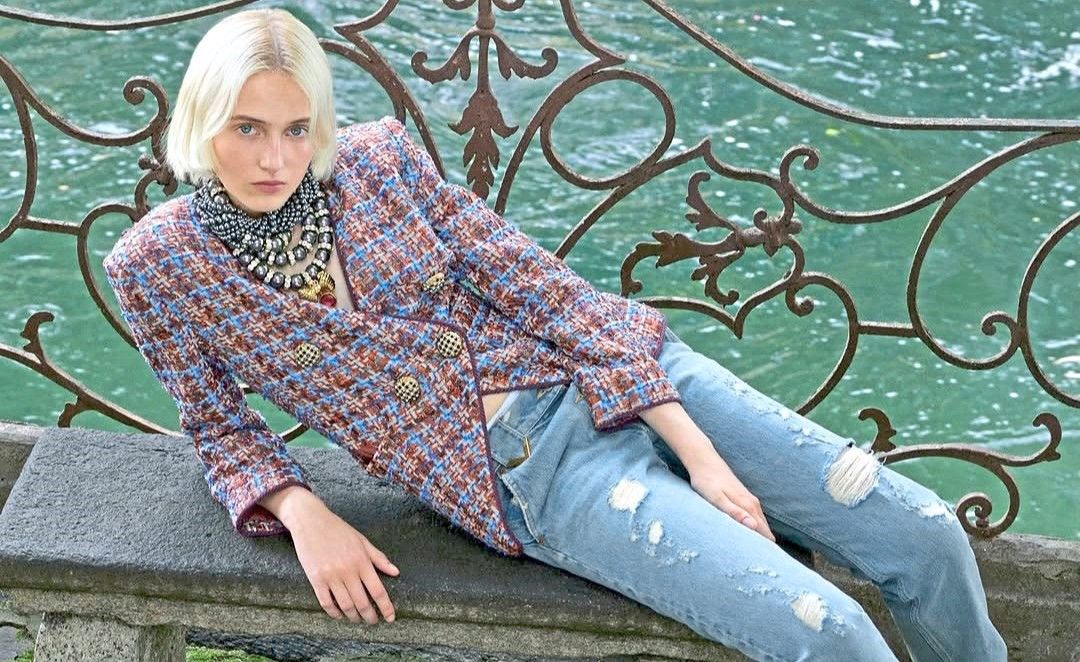
Understanding the appeal requires acknowledging broader cultural currents. Millennials and Gen Z consumers, who represent an increasingly significant portion of luxury spending, have grown sceptical of conspicuous perfection. In an age of social media filters and curated images, the pursuit of seemingly unattainable flawlessness feels hollow. Authenticity—or at least the aesthetic of authenticity—has become genuinely desirable. A deliberately weathered Valentino jacket paired with shredded denim subverts the traditional association of luxury with refinement and instead positions wealth as permission to abandon pretence. Money, the styling seems to suggest, no longer buys perfection; it buys the freedom to transcend it.
Ralph Lauren's Spring 2027 collection exemplifies how established designers are recalibrating their codes around distressed luxury. Pairing ripped denim with formal separates—waistcoats, blazers, and neckties—alongside white-and-green penny loafers creates deliberate cognitive dissonance. The combination shouldn't work according to traditional sartorial rules, yet that contradiction is precisely the point. By mixing signals of casualness with formal structure, the collection speaks to consumers who reject binary categorisation of how wealth should present itself. Similarly, Burberry's stonewashed pink denim ensemble layered with an argyle sweater and worn-in jacket articulates a "prep-punk" sensibility that would have been unthinkable in previous fashion eras.
Designers from across the spectrum have embraced variants of this philosophy. Sandro's Spring/Summer 2026 offering combines cropped, studded vests with suede-trimmed shorts, channelling what the brand describes as "cowgirl cool." Louis Vuitton takes a more literal approach, artificially spattering denim jackets with earth tones and grit, transforming what appears to be mud into a premium statement piece. Acne Studios coats jeans in a mud-slick patina and pairs them with crumpled denim jackets, creating deliberately dishevelled silhouettes. Even Valentino, the Italian house most associated with glamour and restraint, now offers tweed jackets paired with shredded jeans, suggesting that refinement and destruction are no longer opposing forces but complementary aesthetics.
For Southeast Asian consumers, this trend carries particular significance. The region's fashion markets have historically been influenced by Western luxury definitions, with consumers aspiring toward the polished, expensive appearance that signals successful wealth accumulation. This shift toward intentional imperfection may require recalibrating how luxury operates locally. In Malaysia and neighbouring markets, where brand visibility often functions as social currency, the notion that premium clothing should appear deliberately worn challenges established status signalling. Yet it also democratises luxury in subtle ways: if distressed denim commands designer prices, perhaps the worn pieces already hanging in wardrobes possess unexpected value. The trend may paradoxically make luxury seem more attainable, not because prices have fallen, but because the aesthetic of attainment has shifted away from pristine perfection toward authentic patina.
The environmental implications deserve consideration alongside the cultural ones. A fashion industry that valorises aged and worn aesthetics might theoretically encourage longer garment lifecycles and reduced consumption. If consumers can purchase pre-distressed designer pieces, perhaps they will keep their existing worn clothing longer rather than discarding it in pursuit of perfection. Conversely, the trend could simply accelerate consumption, as wealthy shoppers acquire multiple versions of manufactured decay. The sustainability question remains unresolved, though the psychological permission to embrace imperfection represents progress toward accepting garments that bear the marks of actual use rather than remaining perpetually pristine.
This luxury paradox ultimately reflects a maturation in how affluent societies think about wealth expression. Perfection, once the ultimate luxury marker, now signals either lack of imagination or desperate outdatedness. The ability to pay premium prices for items that appear to have survived years of careless use, to pair formal and casual elements with deliberate awkwardness, and to embrace visible damage as a design feature represents a sophistication beyond traditional luxury codes. It suggests that contemporary wealth grants not the right to appear flawless, but rather the freedom to appear authentically human. In distressed designer clothing, the wealthy have found a way to signal not their distance from ordinary experience, but their comfortable proximity to it.
As this trend proliferates, it raises questions about authenticity and intention. There exists an inherent contradiction in purchasing mass-produced damage: the distress is manufactured, the wear is artificial, the imperfection is calculated. Yet perhaps this contradiction is precisely what appeals to modern luxury consumers. In rejecting the pretence of flawlessness without rejecting the premium price, these shoppers acknowledge that luxury has always been theatre. The performances have simply changed their scripts.

