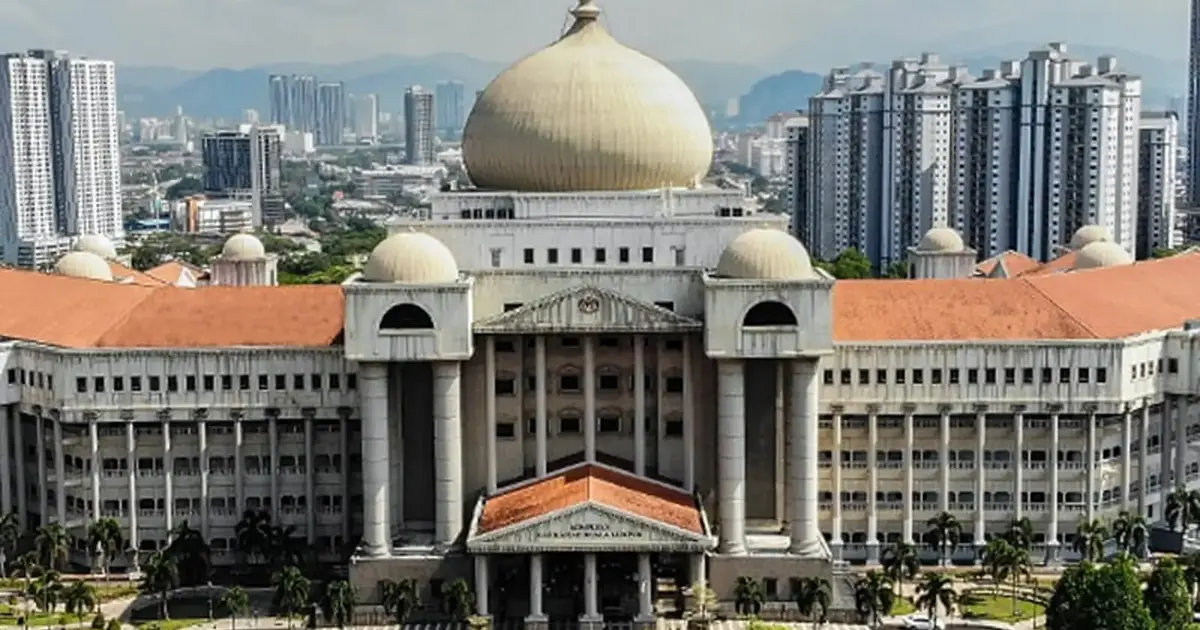
A Malaysian court has formally ordered the forfeiture of 23 Rolex timepieces and an assortment of jewellery to the government, marking another significant victory in the nation's ongoing battle against illicit wealth accumulation. The luxury items were confiscated from Nor Shahira Atirah Anuar @ Kamaruddin during a Malaysian Anti-Corruption Commission operation in January, signalling the authorities' determination to pursue high-profile cases involving family members of prominent military figures.
The seizure represents part of a broader pattern of enforcement action targeting unexplained assets held by individuals connected to the defence establishment. The connection through marriage to a former army chief elevates the public interest in this case, as it underscores the reach of anti-corruption investigations into circles traditionally considered influential within Malaysia's security apparatus. Such operations demonstrate that proximity to high office provides no exemption from scrutiny when suspicious assets come under official examination.
The forfeiture decision carries particular significance given the composition of the seized goods. Rolex watches, prized as status symbols and investments in Southeast Asia, frequently feature in asset recovery cases across the region. The presence of multiple luxury timepieces alongside jewellery suggests a pattern of significant discretionary spending that warranted official investigation. The specific quantity—23 watches—indicates either an established collection or systematic acquisition over an extended period.
Malaysia's Anti-Corruption Commission has intensified its focus on asset recovery mechanisms in recent years, viewing civil forfeiture as a crucial tool complementing traditional criminal prosecution. Unlike criminal proceedings requiring proof beyond reasonable doubt, forfeiture actions operate under a lower evidentiary threshold, enabling authorities to remove suspicious assets from circulation more efficiently. This approach has gained traction across Southeast Asia, where several nations grapple with curbing unexplained wealth alongside conventional corruption cases.
The case reflects evolving judicial interpretation of what constitutes suspicious assets. Malaysian courts have progressively accepted broader reasoning regarding the origins of high-value items, particularly when seized from individuals lacking obvious legitimate income sources. The inclusion of jewellery alongside watches suggests prosecutors built a comprehensive argument regarding the totality of the asset picture rather than focusing on individual items. This holistic approach strengthens forfeiture claims by demonstrating patterns rather than isolated purchases.
For Malaysia's broader anti-corruption narrative, the decision reinforces the government's commitment to pursue investigations regardless of the subject's family connections or social standing. The defence sector, historically accorded special status in Malaysian society, has increasingly become subject to the same investigative rigour applied to civilian agencies. This levelling of scrutiny represents a notable institutional shift, though critics might note that high-profile cases involving military families remain relatively uncommon compared to those targeting civilian politicians and business figures.
The forfeiture outcome also carries implications for asset tracing and financial investigation methodologies within Malaysian law enforcement. Successful recovery of luxury goods requires establishing clear chains of title, valuation expertise, and storage protocols. The successful conclusion of this case suggests the MACC has developed competencies in managing high-value item seizures beyond traditional cash or property forfeitures. Such capabilities become increasingly valuable as investigators pursue modern corruption patterns involving alternative wealth stores.
Regionally, Malaysia's approach to asset recovery positions it among the more proactive jurisdictions in Southeast Asia. Thailand, the Philippines, and Indonesia have pursued similar cases, though with varying degrees of consistency and success. Malaysia's relatively mature legal framework for civil forfeiture, combined with institutional capacity within the MACC, provides a model that neighbouring countries are beginning to emulate. The visible enforcement of such orders strengthens deterrence effects more broadly.
The practical disposition of the seized items remains an important question. Governments typically auction forfeited luxury goods, with proceeds directed to various state purposes or dedicated anti-corruption funds. The timing and methods chosen for disposing of these Rolex watches and jewellery will signal how seriously authorities treat asset management following forfeiture orders. Transparent and efficient handling of such assets strengthens public confidence in the integrity of the recovery process itself.
Looking forward, this case may inspire additional investigations into luxury item holdings among connected individuals across Malaysia's defence establishment and other sectors. The precedent established through the forfeiture decision provides legal backing for future civil recovery actions targeting comparable asset profiles. Whether such activity represents coincidental enforcement or signals a broader investigative expansion remains to be seen, though the conspicuous nature of the seized goods makes them particularly suitable for public awareness campaigns regarding corruption risks.

