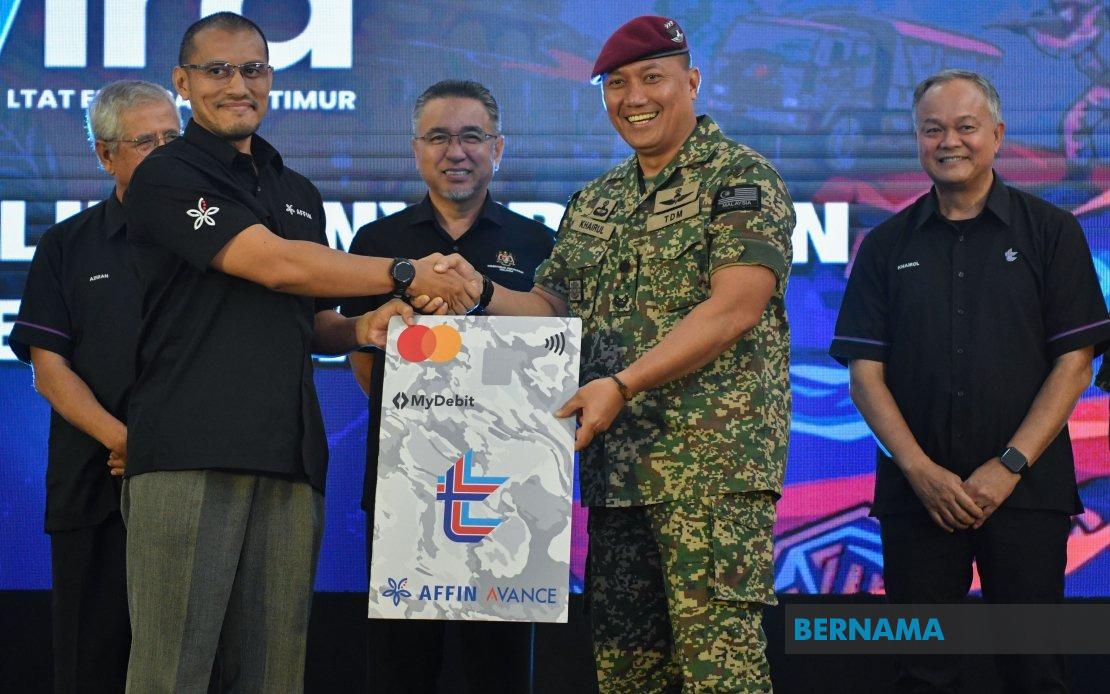
The Armed Forces Fund Board (LTAT) has transformed its engagement strategy by launching the East Coast Edition of Jelajah Wira LTAT 2026 with an innovative digital component designed to extend its reach far beyond traditional roadshow limitations. Inaugurated by Deputy Defence Minister Adly Zahari at Desa Pahlawan Camp in Kota Bharu on July 2, the initiative combines on-ground participation with live-streaming capabilities to connect with military communities across dispersed geographical locations. This hybrid approach represents a significant shift in how defence-focused financial services connect with armed forces personnel, addressing the practical challenges of reaching troops stationed in remote bases and difficult-to-access regions throughout Malaysia.
The expansion targets an immediate physical attendance exceeding 3,600 Armed Forces (ATM) personnel across the East Coast corridor, with the digital infrastructure capable of extending awareness to more than 10,000 military members nationwide. The roadshow will proceed to Sri Pantai Camp in Kuala Terengganu on July 9 before moving to Kuantan Air Base in Pahang on July 13, establishing a structured schedule that allows military units in each location to participate either directly or remotely. This geographical strategy reflects LTAT's recognition that military deployments and posting patterns mean personnel cannot always gather at centralised locations, necessitating a more flexible engagement platform that accommodates the operational demands placed on armed forces units.
LTAT's initiative aligns with broader national economic priorities, particularly the MADANI Economy framework and PuTERA35 aspirations that seek to strengthen financial resilience across Malaysian communities. For the defence sector specifically, enhanced financial literacy among military personnel carries implications for household economic stability, given that service members often face unique financial challenges including irregular postings, deployment-related expenses, and limited access to conventional banking services in remote locations. By embedding financial education into a roadshow format combined with digital accessibility, LTAT positions itself as a proactive contributor to the government's economic inclusion agenda while simultaneously fulfilling its mandate to safeguard the welfare of fund contributors.
A notable component of the digital infrastructure involves the introduction of value-added services that extend benefits to military families beyond individual service members. The symbolic presentation of the AFFIN LTAT Affiliate Debit Card during the launch ceremony provides personnel with a tangible financial tool specifically designed for armed forces contributors. Additionally, the distribution of smart devices under the 2026 SPM e-Perkasa programme addresses a growing educational equity concern by enabling children of ATM personnel at participating camps to access free online tuition classes. This intergenerational approach recognises that military families often experience educational access challenges due to postings in areas with limited institutional infrastructure, and technological enablement can partially mitigate these disadvantages.
The entrepreneurship dimension of the roadshow particularly addresses veteran welfare through structured economic intervention programmes. The Second Series of the LTAT Wira Entrepreneur Empowerment Programme for the Northern Zone has demonstrated remarkable financial outcomes, with participating veterans recording an average monthly business income increase of 162 per cent. These results underscore the effectiveness of combining business mentoring, financial literacy instruction, and ecosystem support in helping defence sector personnel transition to civilian entrepreneurship. The third series launching during the East Coast roadshow will specifically target veteran communities in that region, suggesting LTAT's commitment to scaling proven interventions across the country while customising them to regional economic contexts.
The business outcomes achieved through the entrepreneurship programme carry broader implications for military personnel career planning and post-service economic security. Many defence force members approaching retirement or transitioning to civilian life lack structured pathways into entrepreneurship, often facing capital constraints, market access barriers, and limited business experience. The 162 per cent average income increase indicates that targeted mentoring and financial support can effectively address these obstacles, potentially reducing economic vulnerability among veteran populations and contributing to more stable long-term labour market outcomes. This success suggests a replicable model that other government agencies supporting transition populations might examine and adapt.
The LTAT Contributors' Briefing and Financial Literacy Programme represents the foundational component sustaining these broader initiatives. Since its introduction in December 2023, the programme has successfully engaged over 68,000 ATM personnel through continuous sessions conducted across various military camps, indicating substantial institutional reach and consistent participation. This extensive briefing infrastructure creates the knowledge baseline necessary for personnel to effectively utilise financial products, understand wealth accumulation strategies, and make informed decisions about military-linked investment vehicles. The accumulated contact with 68,000 service members over approximately eighteen months demonstrates both the scale of LTAT's existing engagement capacity and the receptiveness of military communities to financial education delivered through institutional channels.
The combination of digital streaming with physical roadshow presence establishes Jelajah Wira LTAT 2026 as a comprehensive two-way communication platform rather than a simple information dissemination mechanism. Service members attending in person can engage directly with LTAT representatives, ask contextualised questions about their individual circumstances, and receive personalised guidance regarding fund contributions and available benefits. Simultaneously, remote participants accessing digital live-streams can observe proceedings, access recorded content asynchronously, and potentially submit queries through digital channels. This dual-channel approach democratises information access across hierarchical and geographical boundaries that traditionally limit military personnel engagement with administrative and financial services.
From a regional Southeast Asian perspective, Malaysia's approach to integrating defence personnel into broader financial inclusion initiatives merits attention. Many countries across the region maintain similar armed forces fund structures but lack the institutional investment in financial literacy and entrepreneurship that characterises LTAT's programming. The demonstrated success metrics from the Wira Entrepreneur Empowerment Programme suggest that systematic financial capability building among defence personnel produces measurable economic outcomes and potentially enhances military workforce stability and morale. As regional defence sectors increasingly face recruitment and retention pressures amid economic transitions, the Malaysian model offers a potential template for integrating economic empowerment initiatives into military personnel management strategies.
The digital expansion of Jelajah Wira LTAT 2026 also reflects technological adoption patterns within Malaysia's defence establishment. That military command structures have enabled broad live-streaming of an LTAT-organised event suggests institutional openness to digital engagement tools and recognition of their practical value in reaching dispersed personnel. This technological comfort level may facilitate future hybrid engagement initiatives across other defence-related services and programmes, potentially establishing precedents for more efficient communication between central military administration and distributed units. The success or challenges encountered during the East Coast roadshow will likely inform decisions about digital infrastructure investment across other military engagement platforms.
Looking forward, the dual-track engagement model introduced through the East Coast edition may serve as a pilot for national rollout across other military communities and geographic regions. Should the target of reaching 10,000 personnel nationwide through combined physical and digital means be achieved, LTAT would establish a significantly expanded engagement footprint compared to traditional roadshow formats limited by geographical constraints and logistical limitations. Scaling this model could position LTAT as a leader in military-focused financial services innovation within the Malaysian public sector, potentially attracting increased budgetary support and institutional recognition for its welfare mandate. The outcomes from this initiative will also provide data on relative effectiveness of physical versus digital engagement modes for defence personnel, information valuable for designing future outreach strategies that optimise resource allocation while maximising impact across the armed forces community.

