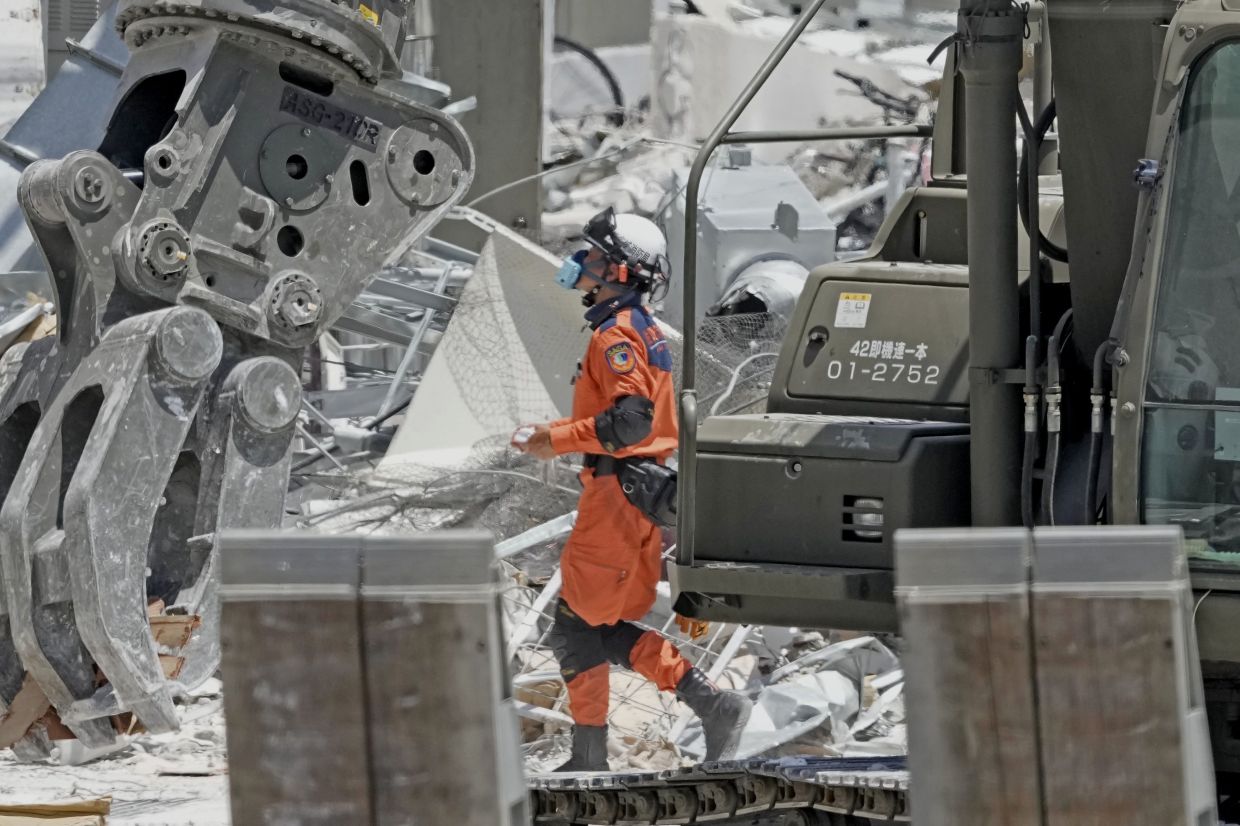
Japan's Economy, Trade and Industry Ministry has concluded that a liquefied petroleum gas leak was the probable cause of a devastating explosion at Aeon Mall Kumamoto on July 28, an assessment announced on August 5 as investigators continue examining the precise circumstances that led to the blast. The incident, which claimed the lives of three employees working in retail outlets within the shopping complex, has raised fresh concerns about industrial safety protocols in commercial facilities across Japan, particularly in earthquake-prone regions where infrastructure stress can trigger cascading failures.
The explosion occurred approximately one hour and 20 minutes after a significant earthquake shook the Kumamoto Prefecture, creating a window of time that officials believe allowed pressurised gas to escape from the mall's distribution system. The blast damaged the central section of the second floor on the southern side of the Aeon Mall facility, destroying structures and causing fires that required extensive emergency response. Kumamoto prefectural police and fire authorities who conducted subsequent searches reported detecting a distinct smell of gas throughout the building, corroborating the theory that LPG had accumulated in spaces where it should not have been present.
The mall's commercial tenants, primarily restaurants and food preparation establishments, rely on liquefied petroleum gas for essential operations including cooking and water heating. Aeon confirmed that LPG was deployed across multiple zones within the complex: restaurants on the north section of the first floor, a food court on the east section of the second floor, and air conditioning systems throughout the facility. This distributed usage pattern meant the mall maintained a substantial gas supply infrastructure to serve its diverse retail operations.
At the heart of this infrastructure sits an underground storage tank holding approximately 9,367 kilograms of LPG, positioned on the mall's premises. The supply system operates by channelling gas from this central storage through underground pipes into the building, where it branches into an extensive network of distribution lines running through the floors and walls to reach individual tenants' equipment. This intricate piping network, while designed to safely deliver gas to multiple end users, created potential vulnerability points where damage or improper sealing could permit gas to escape into enclosed spaces.
Investigators working under the Economy Ministry's oversight believe that while the main storage tank retained gas at levels consistent with normal operations, residual gas remaining within the distribution pipes themselves may have leaked out following the earthquake's impact. The seismic event could have caused pipe joints to shift, connections to weaken, or seals to fail, allowing pressurised gas to escape. Over the approximately 80-minute interval before the explosion occurred, this leaking gas likely accumulated within the mall's internal spaces—floors, walls, and enclosed areas—gradually building toward a dangerous concentration.
Once sufficient accumulation was reached, some form of ignition source, whether a spark from electrical equipment, a heat source from operational appliances, or friction from structural settling, apparently triggered the explosive release of energy. The resulting blast was powerful enough to cause significant structural damage and claimed multiple lives, highlighting how the seemingly stable conditions in a modern shopping mall could rapidly deteriorate into a lethal situation without warning.
The timing of the explosion relative to the earthquake carries particular significance for Japanese safety officials. The nation experiences frequent seismic activity, and commercial buildings housing numerous businesses with gas-dependent operations are ubiquitous. This incident suggests that current inspection protocols and emergency procedures may be insufficient to detect and prevent dangerous gas accumulation in the critical period immediately following seismic events, when structural integrity may be compromised but not obviously so to casual observation.
For Malaysian readers and policymakers, the Kumamoto incident offers instructive lessons about infrastructure resilience in earthquake regions, though Southeast Asia's different seismic profile means the risk calculus differs. However, similar multi-tenant commercial complexes across Malaysia, Thailand, and Indonesia that utilise LPG for restaurant operations and climate control may benefit from reviewing their gas management systems, emergency response procedures, and staff training protocols. The incident underscores how infrastructure interdependencies in modern shopping malls—where numerous businesses share centralised utility systems—can create compound risks if safety systems fail.
The ongoing investigation into the precise cause of the gas leak, while the broad mechanism remains under examination by the Economy Ministry, will likely produce detailed findings about pipe integrity standards, inspection frequencies, and post-seismic damage assessment procedures. These findings will probably inform revised safety guidelines across Japan's commercial building sector and could influence international best practices for gas distribution safety in high-occupancy retail environments.
The three fatalities represent a human cost that has prompted serious reflection within Japan's safety oversight agencies about whether existing protections adequately address the intersection of natural disasters and industrial hazards. The incident occurred in a major commercial facility operated by one of Japan's leading retailers, indicating that even well-resourced companies operating established properties can face unexpected catastrophic failures. As the investigation continues and the cause of the gas leak is fully established, the findings will likely reshape how Japan manages LPG safety in earthquake-vulnerable facilities.

