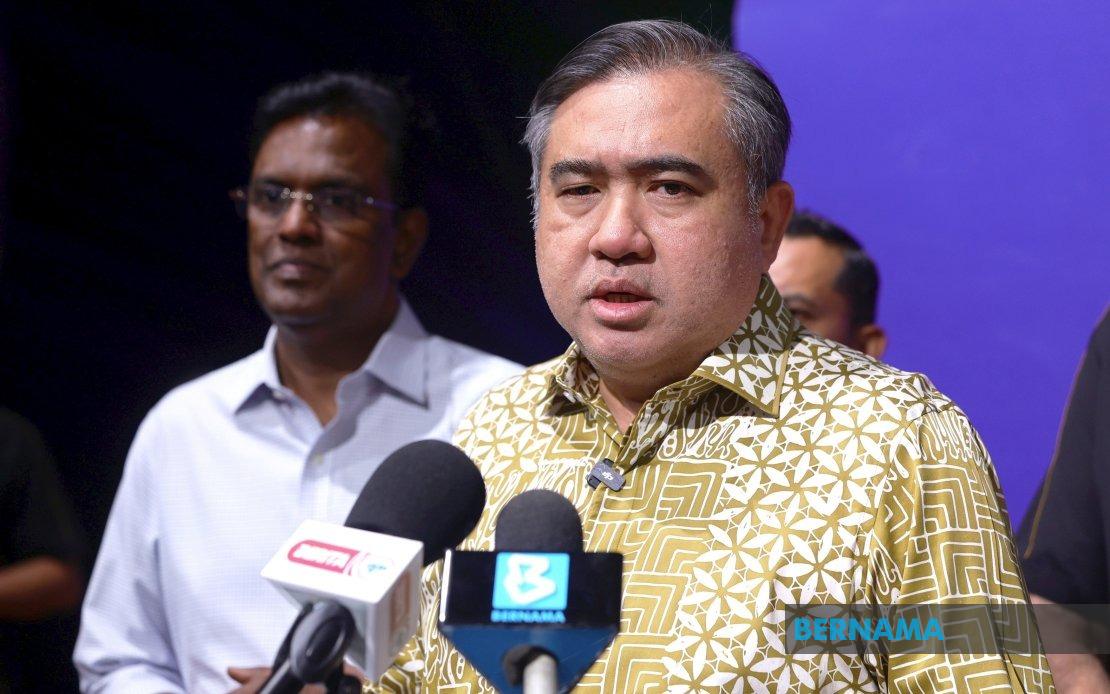
Anthony Loke, the sitting assemblyman for Chennah in Negeri Sembilan and secretary-general of the Democratic Action Party, has declared his readiness to contest against any challengers who emerge for his state seat in the forthcoming 16th Negeri Sembilan state election. Speaking in Seremban on July 2, Loke adopted a measured stance on mounting political competition, framing electoral contests as an inherent and necessary aspect of Malaysia's democratic system.
The incumbent's comments came in response to earlier reports suggesting that businessman Albert Tei had expressed interest in contesting the Chennah seat following overtures from a political party. Rather than dismissing such challenges, Loke emphasised that prospective candidates are entitled to participate in the democratic process, provided they meet the requisite legal and administrative conditions. His remarks reflect a broader DAP strategy of projecting confidence in areas where the party holds representation, while simultaneously demonstrating respect for electoral norms.
Loke stressed that the right to stand as a candidate forms a cornerstone of Malaysia's democratic framework, and he welcomed any citizen who wished to put themselves forward for public office. This inclusive rhetoric serves multiple political purposes: it projects an image of a secure incumbent comfortable in his electoral standing, while simultaneously burnishing the DAP's commitment to democratic values at a time when the party navigates complex coalition politics across multiple states. The statement positions Loke as a confident leader rather than one threatened by potential rivals.
However, the assemblyman was careful to emphasise that candidates must satisfy established eligibility criteria before entering the fray. Specifically, he highlighted the importance of updating one's registered residential address to align with the constituency in which one intends to contest. This technical point carries practical weight, as residential qualifications remain a frequent source of electoral disputes in Malaysia. Loke's invocation of these rules suggests he views them as potential barriers to frivolous candidacies and underscores that while competition is welcome, it must operate within defined parameters.
Despite courting no-nonsense talk about electoral regulations, Loke's primary emphasis has shifted away from potential opponents entirely. He articulated that his foremost concern lies not in anticipating or preparing for challengers, but rather in discharging the obligations he has undertaken as the elected representative for Chennah. This strategic framing allows him to maintain a high-minded focus on constituent services and legislative duties rather than descending into campaign politics prematurely.
The three-term incumbent grounded his remarks in the concept of voter mandate, arguing that the trust placed in him by Chennah constituents across three election cycles represents the principal lens through which he evaluates his political priorities. This language emphasises continuity and proven track record—powerful assets for an incumbent seeking re-election. By repositioning his narrative around service delivery rather than competitive positioning, Loke implicitly appeals to voters to judge him on performance rather than on how he handles or responds to rival candidates.
The timing of Loke's comments occurs against a precise electoral calendar that structures the coming campaign season. The Election Commission has designated July 18 as nomination day for the Negeri Sembilan state election, establishing the formal window during which candidates must lodge their papers. Polling is scheduled for August 1, with early voting set for July 28. This compressed timeline—less than a month between nomination and election—means that any challengers would need to move swiftly to register and mount campaigns.
For Negeri Sembilan politics more broadly, the Chennah seat represents a significant test of DAP's hold on urban and semi-urban constituencies in the state. The party has carved out meaningful ground in Negeri Sembilan in recent election cycles, and retention of seats like Chennah becomes crucial to any coalition calculations for state government formation. Loke's seniority within the DAP hierarchy—his position as party secretary-general—amplifies both the symbolic importance of his own seat and the resources likely to be deployed in his defence.
The speculative candidacy of Albert Tei adds an unpredictable dimension to Chennah's electoral contest. As a businessman rather than a career politician, Tei represents the type of independent challenge that has periodically disrupted Malaysia's electoral landscape. Whether his interest translates into formal candidacy remains uncertain, though Loke's diplomatic response suggests he views such challenges as manageable within his overall political calculus.
Looking beyond Chennah specifically, the Negeri Sembilan state election itself carries implications for the broader Malaysian political environment. State elections often serve as barometers of voter sentiment between federal ballots, and performance in Negeri Sembilan will inform coalition strategies heading toward any future national electoral cycle. For the DAP in particular, defending state seats while potentially advancing its fortunes becomes essential to demonstrating continued electoral viability and relevance within Malaysia's coalition-dependent political system.

