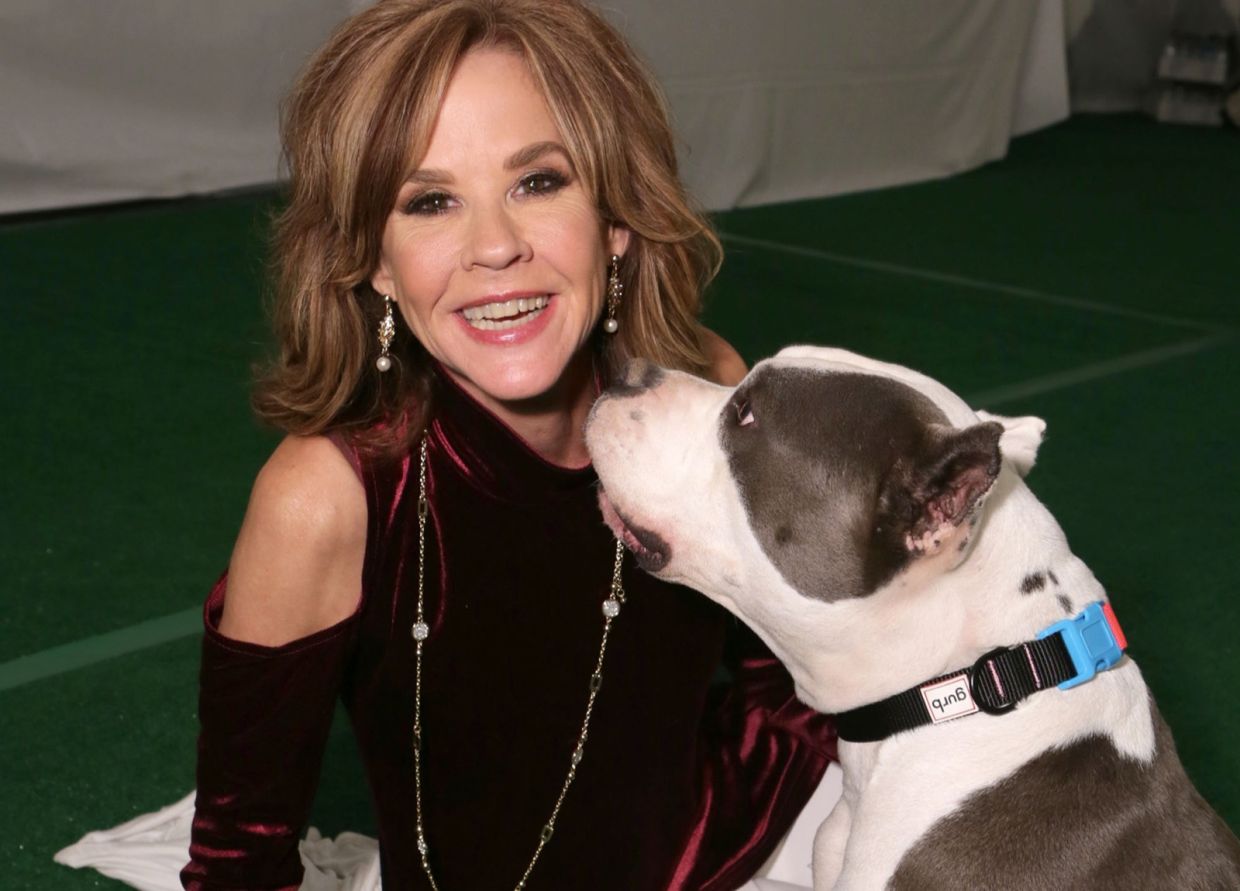
Authorities in Los Angeles County conducted a Friday afternoon search of a Southern California property owned by actress Linda Blair following allegations that the site housed more than 100 rescue dogs without proper licensing or documentation. The operation involved coordinated efforts between the Los Angeles County Department of Animal Care and Control and the Department of Regional Planning, who secured an investigative warrant to access and inspect the premises for compliance with local regulations.
According to county officials, Blair's kennel facility permit had lapsed in 2023, and multiple attempts to contact her about the expired authorisation went unanswered. This prompted both departments to conduct the surprise inspection to assess the situation on the ground. The DACC issued a statement explaining that the warrant provided lawful authority to verify whether the property met applicable county codes and operational standards for animal facilities.
The 67-year-old actress, best known for her role in "The Exorcist," cooperated fully with authorities during the raid. She has not been charged with any criminal offense, and officials found no evidence of intentional wrongdoing or animal abuse. In a video posted to Instagram immediately following the search, Blair downplayed the incident, characterising it as a routine administrative matter requiring paperwork adjustments rather than a serious violation.
Blair's statement emphasised that all animals on the property were in good condition despite the scorching 105-degree Fahrenheit heat that prevailed during the inspection. She attributed the administrative oversight to the demanding nature of animal rescue operations, noting that her team and others working in the field frequently face overwhelming communications and organisational challenges as they juggle rescue efforts across multiple locations and support systems.
The actress founded the Linda Blair WorldHeart Foundation in 2003, a nonprofit organisation dedicated to rescuing, rehabilitating, and rehoming abused, neglected, and abandoned animals. The foundation's mission explicitly addresses animal suffering across various settings, from desert environments to overcrowded shelters. This longstanding charitable work underscores Blair's decades-long commitment to animal welfare, though it also suggests the scale of her rescue operations may have outgrown her administrative capacity.
The incident raises broader questions about the regulatory framework governing private animal sanctuaries and rescue operations in California. While the state's animal control codes exist to ensure proper care standards and public safety, enforcement challenges emerge when dedicated rescuers operate informally or fail to maintain required documentation. The distinction between a legitimate rescue operation and an unlicensed facility hinges largely on paperwork and permits rather than actual animal welfare outcomes.
For Malaysian readers and those across Southeast Asia, this case illustrates the universal tension between animal welfare advocacy and regulatory compliance. Many countries in the region face similar challenges with informal animal rescue networks that operate without full governmental oversight. The incident demonstrates how even well-intentioned operators must navigate bureaucratic requirements, highlighting the importance of institutional frameworks that balance compassion with accountability.
Blair's case also reflects the growing movement of celebrity-led animal sanctuaries and rescue operations globally. While these initiatives generate significant resources and public attention for animal causes, they sometimes struggle with the administrative infrastructure needed to operate legitimately. The actress's foundation had clearly expanded its operations substantially since its inception, possibly without updating its regulatory status accordingly.
The search ultimately revealed no criminal activity, and the matter appears to centre on compliance paperwork rather than substantive animal welfare violations. Blair's cooperative stance and the authorities' measured response suggest a straightforward administrative resolution rather than a confrontational enforcement action. This outcome may actually strengthen her position by demonstrating good faith engagement with regulatory bodies.
Moving forward, this incident may prompt Blair and similar rescue operations to reassess their administrative structures and ensure all permits remain current. The experience underscores that even passionate advocates for animal causes must maintain robust compliance systems to protect their work from regulatory disruption. For animal rescue organisations globally, the takeaway is clear: operational excellence must encompass both direct animal care and meticulous record-keeping.

