The border town of Serian in Sarawak is grappling with deteriorating air quality that has forced a delicate balance between economic necessity and health concerns. As of mid-afternoon on August 13, the Air Pollutant Index Management System recorded a reading of 178, firmly placing the district in the unhealthy category and triggering widespread precautionary measures across the community. Despite these challenging conditions, residents are largely maintaining their usual routines, though the strain on livelihoods and daily patterns is becoming increasingly visible.
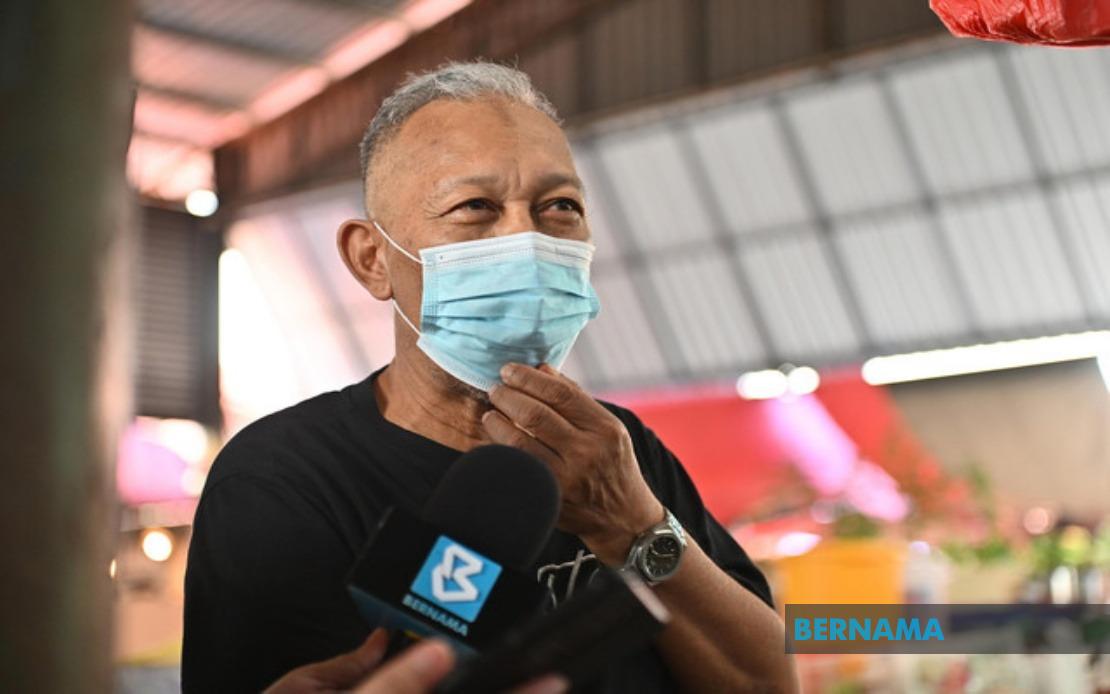
At Serian Tamu Market, the marketplace that forms the commercial heart of the town, traders are adapting to reduced customer traffic while attempting to protect their health. Several vendors have adopted face masks as a routine precaution, recognising that prolonged exposure to the elevated pollutant levels poses genuine respiratory risks. The decision to continue trading reflects the economic pressures facing small-business operators who lack the financial buffers necessary to absorb income losses, even when environmental conditions deteriorate significantly.
Asmail Kipli, a 62-year-old vegetable trader who runs his stall from the Gedong area, exemplifies the pragmatic compromises residents are making. He has witnessed a sharp 30 per cent decline in both customer numbers and daily income over recent days, yet he maintains his operating schedule to cover rental obligations on his market stall. For traders operating on thin margins, the haze represents not merely an inconvenience but a financial threat that cannot be easily dismissed, regardless of air quality readings.
The situation reflects broader economic vulnerabilities in smaller Malaysian towns where informal and semi-formal sector workers depend on daily transactions for survival. Asmail's assessment that the haze has not yet reached a level forcing him to cease operations entirely suggests a threshold mentality where traders will continue only until health or commercial conditions become truly untenable. His acknowledgement that residents are exercising greater caution and limiting unnecessary outdoor activities indicates that despite surface normality, behavioural changes are occurring throughout the community.
Marina Latong, another market trader selling fresh fruit, has already begun taking defensive measures that foreshadow potential wider closures. At 53 years old, she has shortened her trading day substantially, now closing at 3 pm rather than operating through normal evening hours. Her explicit warning that she will temporarily suspend operations if the haze persists suggests that while the current API level remains manageable for some traders, their tolerance for worsening conditions is finite and well-defined.
The differential responses among traders highlight how air quality impacts individuals differently depending on age, business type, and financial reserves. Fruit sellers may face particular challenges as air quality deterioration can affect produce freshness and customer perception of food quality, adding another dimension to income pressures beyond merely reduced foot traffic. The decision-making calculus for small traders increasingly weighs health risks against immediate economic survival, a calculation that lacks easy answers.
Beyond the marketplace, residents are navigating daily life with modified behaviour patterns. Residents of surrounding villages continue purchasing groceries and attending to essential errands, but observation suggests that people are becoming more selective about outdoor movements, restricting activities to genuine necessities rather than discretionary outings. This behavioural shift, while not visible in raw economic statistics, represents a meaningful deterioration in community quality of life and social activity patterns.
The education sector has responded more decisively than the commercial sector. A total of 107 schools across Serian have implemented temporary closures extending from August 13 through Friday, prioritising student health over instructional continuity. This precautionary approach reflects official recognition that accumulated exposure among concentrated student populations poses unacceptable risks, even if individual market traders continue working. The school closures also indicate that government health authorities regard the current API trajectory as potentially worsening, justifying preventative action rather than reactive response.
The contrast between educational institution closures and ongoing commercial operations reveals the structural inequalities embedded in haze response policies. While schools receive clear directives to close in unhealthy conditions, small traders lack equivalent protection or compensation mechanisms. This asymmetry means that the economic burden of poor air quality falls disproportionately on already-marginal workers while protected sectors such as education can pivot to safety measures without income consequences.
Serian's experience during this haze event is characteristic of recurring patterns affecting Malaysian towns, particularly those in Sarawak and areas downwind of Indonesian land-clearing activities. The August timing suggests the current incident stems from regional agricultural burning practices that seasonally impact air quality across Southeast Asia. For Serian residents, this represents the latest iteration of a recurring challenge that demands both individual adaptation and structural policy responses that remain largely inadequate.
The situation underscores a critical governance gap in Malaysia's environmental health management. While air quality monitoring technology provides real-time data through systems like APIMS, policy implementation lags significantly. Income support mechanisms for affected traders, expedited workplace safety protocols for outdoor workers, and clearer health guidance for vulnerable populations remain underdeveloped compared to the sophistication of monitoring systems themselves.
As Serian residents continue navigating daily life through unhealthy air, their experience offers important lessons for other Malaysian communities facing similar challenges. The resilience demonstrated by market traders and the adaptive behaviours of ordinary residents are noteworthy, yet they should not substitute for comprehensive policy frameworks that distribute haze impacts more equitably and protect livelihoods during environmental crises.

