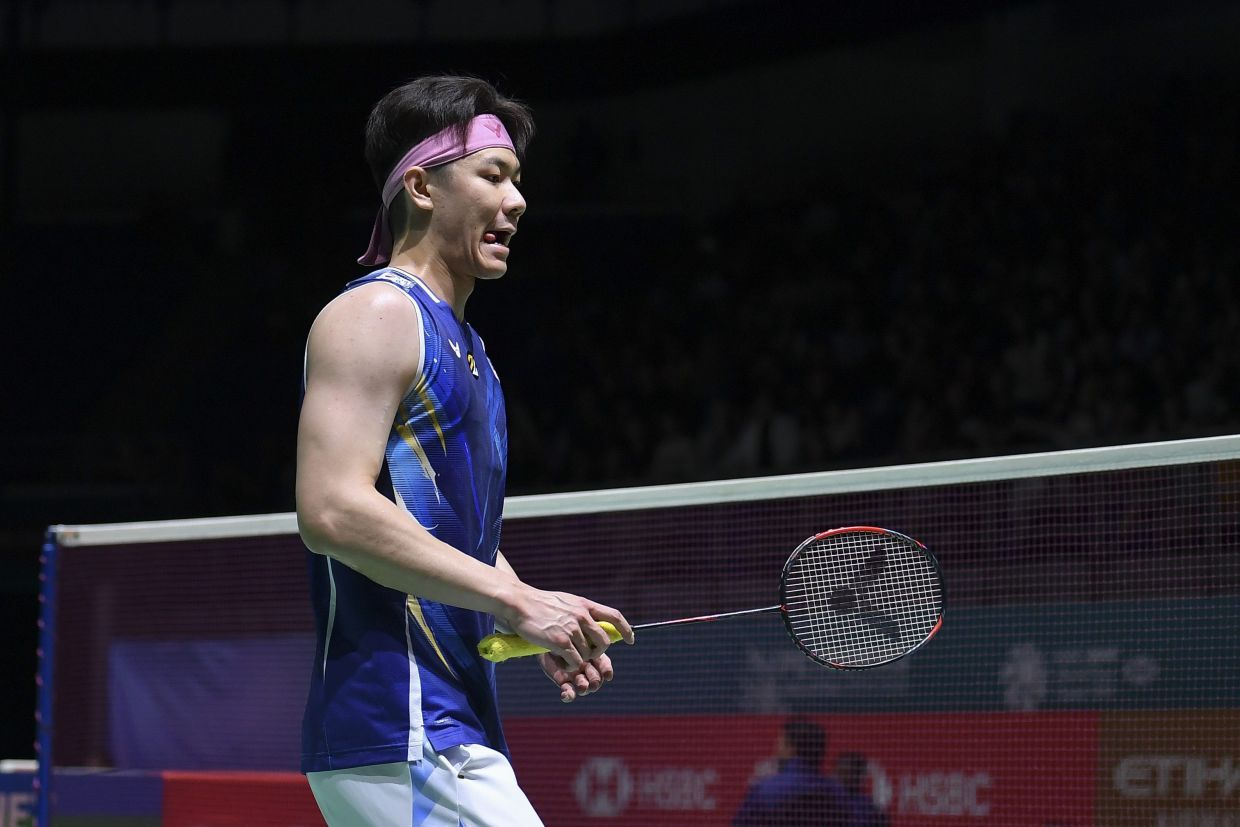
Malaysia's Lee Zii Jia has made a public commitment to continue his professional badminton career, dismissing any notion that he might step away from the sport despite wrestling with one of the most demanding phases of his playing life. The 28-year-old men's singles competitor released a heartfelt statement through social media on Sunday, signalling his intention to persevere through the adversity that has defined much of the past year and to reclaim his position among the world's elite shuttlers.
The Kedah-born player's declaration comes at a pivotal moment in his career trajectory. Having produced strong results in recent months, including a semi-final appearance at the Canadian Open where he lost to Japan's Koki Watanabe, Zii Jia appears to be gradually moving out of the doldrums that have plagued his performances. Yet his statement suggests that the journey back has been far more psychologically taxing than mere tournament results might indicate. The shuttler acknowledged the profound toll that injury, inconsistency, and self-doubt have exerted on him, describing periods when he struggled to recognize himself or understand why supporters continued to believe in his potential.
Zii Jia's candid reflection on his mental state reveals an athlete grappling not just with technical setbacks but with deeper questions about self-worth and identity. In his message to fans, he expressed gratitude for their loyalty during moments when even he questioned whether continuing made sense. This vulnerability is particularly significant given the intense pressure Malaysian sports fans place on their national athletes, where victory often overshadows other measures of achievement. His acknowledgment that supporters valued his efforts and resilience rather than solely his wins represents a recalibration of what success means—a shift that could resonate beyond badminton in a sporting culture often consumed by medal counts.
The player's struggles intensified after he departed from the national badminton set-up in 2022, a move that marked a significant turning point in his career. Rather than flourishing under alternative arrangements, Zii Jia found himself contending with mounting physical ailments while simultaneously battling poor form across international circuits. These concurrent challenges created a compounding effect, where each tournament loss deepened the psychological weight he carried into subsequent competitions. The athlete has now revealed that during these darker moments, he felt unable to confide in those around him, a isolation that likely amplified his sense of hopelessness.
Crucially, Zii Jia has indicated that he has begun taking ownership of his circumstances and actively reshaping his approach to both life and competition. By speaking openly about his struggles and asserting autonomy over his career decisions, he has signalled a fundamental shift in how he manages his professional journey. This emphasis on personal agency is particularly noteworthy, as it suggests he is consciously rejecting passive acceptance of circumstances and instead actively designing the environment and support systems he requires to succeed. His determination to ensure that any future failures are products of his own choices—for which he accepts full responsibility—reflects maturity and a healthier psychological framework.
The shuttler's upcoming schedule presents immediate opportunities to demonstrate progress. The Taiwan Open, scheduled from July 28 to August 2, followed by the Korean Masters from August 4 to 9, will serve as important barometers of his trajectory. These tournaments arrive at a moment when Zii Jia appears to be regaining competitive rhythm, though he remains candid about the uncertainty ahead. His honest acknowledgment that he does not know how long the comeback will require or what trajectory awaits him suggests realistic expectations rather than unfounded optimism.
For Malaysian badminton supporters and administrators, Zii Jia's renewed commitment carries broader implications. The sport has faced questions about athlete welfare, particularly regarding the pressures placed on national representatives and the structures that supposedly support them. Zii Jia's experience—where he felt unable to open up to those around him despite being an Olympic medallist—points to systemic gaps in how the national badminton establishment addresses mental health and athlete autonomy. His decision to chart his own course may ultimately benefit not only his competitive performance but also influence conversations about how Malaysian sports institutions support their athletes holistically.
The core of Zii Jia's message transcends the specific context of badminton. In a sports ecosystem often characterized by short-term thinking and immediate results, his emphasis on persistence, introspection, and redefining success offers a counternarrative. His statement that a person deserves support not merely for victories but for the effort to continue despite setbacks challenges conventional notions of athletic worth. For a region where intense expectations frequently overshadow athlete wellbeing, such perspectives merit serious consideration.
As Zii Jia prepares for the Taiwan and Korean tournaments, the quality of his play will inevitably attract scrutiny. However, his more immediate achievement may be psychological—demonstrating to himself and others that resilience after setback is possible and that athletes deserve space to struggle without their value being wholly contingent on tournament outcomes. Whether this recalibration translates into sustained competitive success remains to be seen, but his commitment to continuing the battle, on his own terms, already represents meaningful progress.

