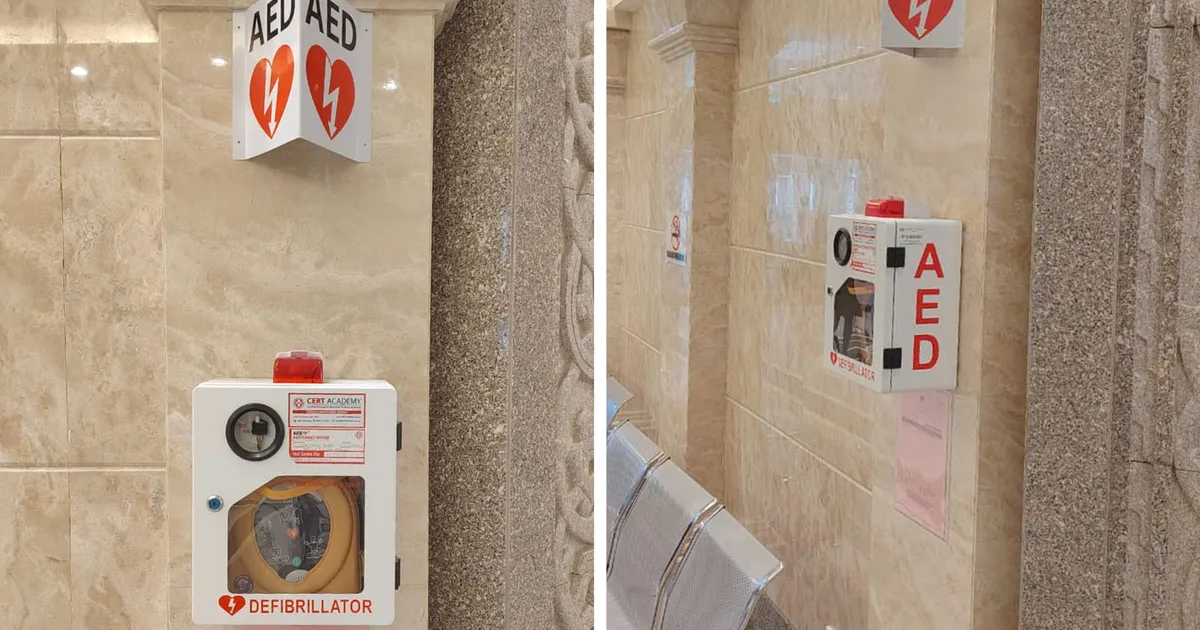
The Malaysian legal profession is mobilising around an urgent safety initiative after a litigant collapsed from cardiac arrest inside a courtroom at the Kuala Lumpur High Court, prompting calls for life-saving defibrillator equipment to be stationed at all major judicial facilities across the country. The incident has triggered broader conversations about emergency preparedness within Malaysia's court system, with senior lawyers and bar associations arguing that such devices are essential infrastructure in any public institution handling high volumes of foot traffic and emotionally charged proceedings.
The death underscores a critical gap in Malaysia's court infrastructure. While hospitals, airports, shopping malls, and commercial buildings have increasingly adopted automated external defibrillators (AEDs) as standard safety equipment, many court complexes lack this potentially life-saving technology. Given that courtrooms host vulnerable populations—elderly litigants, stressed individuals facing legal proceedings, witnesses under emotional duress, and those with pre-existing heart conditions—the absence of immediate defibrillation capability represents a preventable risk factor that the legal community is no longer willing to accept.
Lawyers argue that every second matters in cardiac emergencies. When someone experiences sudden cardiac arrest, the chance of survival decreases by approximately 10 per cent for each minute that passes without defibrillation. In situations where emergency medical services may take several minutes to arrive at a court building, having an AED on-site dramatically improves the odds of recovery. The tragedy at the KL High Court has crystallised this argument into urgent policy advocacy, with practitioners emphasising that installations are relatively straightforward and costs are manageable compared to the value of human life.
The Malaysian Bar and various legal associations have begun formalising their position on this matter, engaging with court administrators and the relevant government agencies responsible for judicial infrastructure. Their approach combines technical specifications—identifying optimal placement locations within court buildings, ensuring 24/7 accessibility even during off-hours, and establishing clear maintenance protocols—with advocacy for legislative or administrative changes that would mandate such installations as a baseline safety requirement.
Beyond the immediate call for equipment installation, the incident has raised questions about emergency response procedures within courts themselves. Legal professionals are questioning whether adequate training exists among court staff and security personnel to recognise cardiac emergencies and administer basic life support measures. Some have suggested that comprehensive emergency protocols should be standardised across all major court complexes, including regular drills, trained first responders on duty, and clear communication pathways for summoning paramedics.
The situation reflects broader global trends in public health and institutional liability. Western jurisdictions have largely normalised AED presence in public buildings, with many requiring them as part of building codes. Malaysia, as a developing nation with growing healthcare consciousness and legal sophistication, faces an opportunity to implement such measures proactively rather than reactively. The legal community's unified voice on this issue may prompt similar initiatives in other high-traffic public buildings and institutions that have not yet considered defibrillator installation.
Court administrators have responded with measured acknowledgment of the proposal, though concrete timelines for implementation remain unclear. The Federal Court administration and various state-level court systems would need to coordinate procurement, installation, staff training, and maintenance schedules—a process that, while not technically complex, requires budgetary allocation and inter-agency cooperation. Legal associations are pushing for expedited consideration given the life-or-death implications.
The advocacy effort is gaining traction among younger lawyers and civil society organisations focused on institutional reform and public safety. Social media discussions have amplified awareness, with many practitioners sharing stories of medical emergencies they have witnessed in court settings, reinforcing the universal nature of the risk. This groundswell of professional concern suggests that resistance to the proposal is minimal, with disagreement likely to centre on implementation details rather than principle.
For Malaysian court users—particularly litigants, witnesses, and their families who must attend proceedings—the push for defibrillators represents a visible commitment to their safety and dignity within the judicial system. Beyond the symbolic value, the practical reality is that enhanced emergency preparedness can mean the difference between life and death for someone experiencing a sudden health crisis during court attendance. The tragic incident that catalysed this movement has the potential to generate meaningful institutional change if legal professionals maintain momentum in their advocacy.
Looking forward, the legal profession's call for court defibrillators may establish a precedent for other infrastructure improvements aimed at modernising Malaysia's judicial facilities. As courts grapple with aging buildings and evolving public expectations around safety and accessibility, prioritising life-saving medical equipment represents a relatively low-cost, high-impact intervention that reflects both professional responsibility and institutional accountability.

