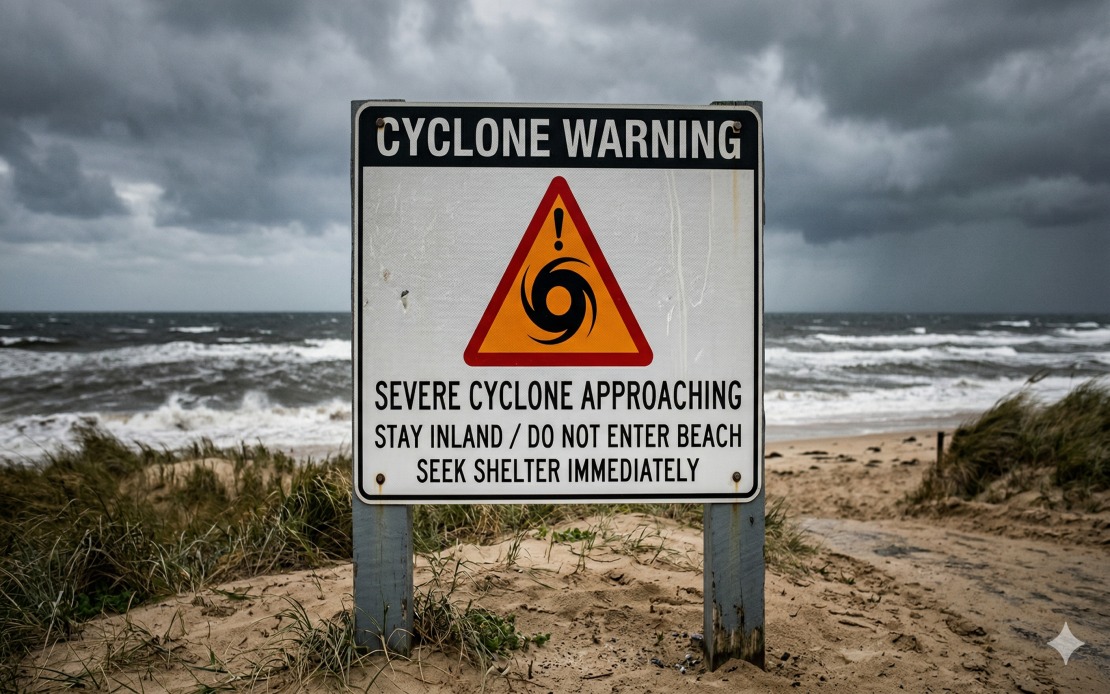
Latvia's meteorological authorities have declared a red alert—the nation's most serious weather warning—for large portions of the country as a cyclone system moves toward the Baltic region, bringing the prospect of catastrophic rainfall and destructive winds over the coming weekend. The Latvian Environment, Geology and Meteorology Centre issued the red-level alert specifically for central areas of the country, with Riga and Jelgava identified as particularly vulnerable zones. The warning becomes effective Saturday morning at 8 am and is expected to remain in place until 1 am Sunday, though officials cautioned that the geographic scope of the affected region may shift as updated forecasts become available.
The anticipated meteorological event poses multiple simultaneous threats to civilian infrastructure and public safety across the nation. Heavy precipitation is expected to trigger widespread inundation of residential properties, transportation networks, agricultural land and private gardens throughout the warning zones. Particularly concerning for authorities is the likelihood that major roadways could become completely impassable, potentially isolating communities and complicating emergency response operations. The scale of rainfall anticipated during this cyclonic event exceeds typical summer weather patterns for the region, prompting the elevated alert status.
Beyond flooding hazards, the powerful winds accompanying the storm system threaten to compromise essential services that modern economies depend upon. Electricity distribution networks face substantial vulnerability, as fallen trees and branches may damage transmission infrastructure or bring down power lines entirely. Water supply systems and telecommunications infrastructure similarly remain at risk of disruption, creating compounding challenges for residents attempting to respond to the emergency. The prospect of simultaneous failures across multiple utility systems could leave affected communities without communication capabilities, fresh water access, or electric power simultaneously.
Latvia's State Fire and Rescue Service has issued urgent guidance to the public ahead of the weekend weather window. Residents are being strongly advised to minimize outdoor movement and restrict trips to essential activities only, reducing exposure to hazardous conditions. Individuals are encouraged to secure outdoor items that could become dangerous projectiles in high winds, from garden furniture to loose signage. The service has also recommended that residents charge mobile devices fully in anticipation of potential power outages, ensuring people retain at least some communication capability should grid failures occur.
The economic and social disruptions are already becoming visible, with numerous outdoor events scheduled for the weekend across Latvia now cancelled in response to the forecast. Organizers, event venues, and participants face rescheduling challenges as the calendar becomes constrained. This cancellation pattern reflects the seriousness with which Latvian institutions are treating the meteorological warning, avoiding scenarios where large crowds could be exposed to dangerous conditions.
The cyclonic system extends its reach beyond Latvia's borders into neighboring Estonia, where similar hazards are anticipated. Estonia's Environment Agency has issued comparable warnings about heavy rainfall and strong winds expected across Estonian territory during the same weekend period. The Estonian electricity distributor Elektrilevi has specifically warned that storm-related damage to trees and vegetation could trigger power outages across its service territory, echoing concerns raised by Latvian authorities regarding infrastructure vulnerability.
For regional observers and Southeast Asian readers monitoring European weather patterns, this event illustrates the vulnerability of northern European infrastructure to extreme weather phenomena. While the Baltic region does not experience the tropical cyclone systems common in monsoon-influenced regions like Malaysia, the underlying dynamics—concentrated rainfall, wind damage, flooding, and infrastructure strain—present parallels worthy of attention. Nations in Southeast Asia with established tropical storm protocols may find relevant lessons in how northern European systems mobilize resources and communications during high-impact weather events.
The cyclone timing during the weekend presents particular challenges for emergency response coordination, as weekend staffing at many agencies operates at reduced levels compared to weekday operations. Authorities must rapidly scale up personnel availability while simultaneously managing the real-time impacts of deteriorating weather conditions. The advance warning period, spanning from Friday through the weekend event, provides some opportunity for preparation, yet the compressed timeframe for public response remains constrictive.
Latvia's red alert status represents the culmination of forecast confidence regarding storm intensity and impacts. The decision to implement the highest warning level reflects meteorological consensus that impacts will be severe and widespread rather than localized. This declaration carries significant responsibility, as overstated warnings risk public desensitization to future alerts, while understated warnings leave populations unprepared for genuine emergencies. The Latvian meteorological community's decision to issue the red alert suggests high confidence in both the cyclone's arrival and its capacity to cause substantial damage across the warned regions.

