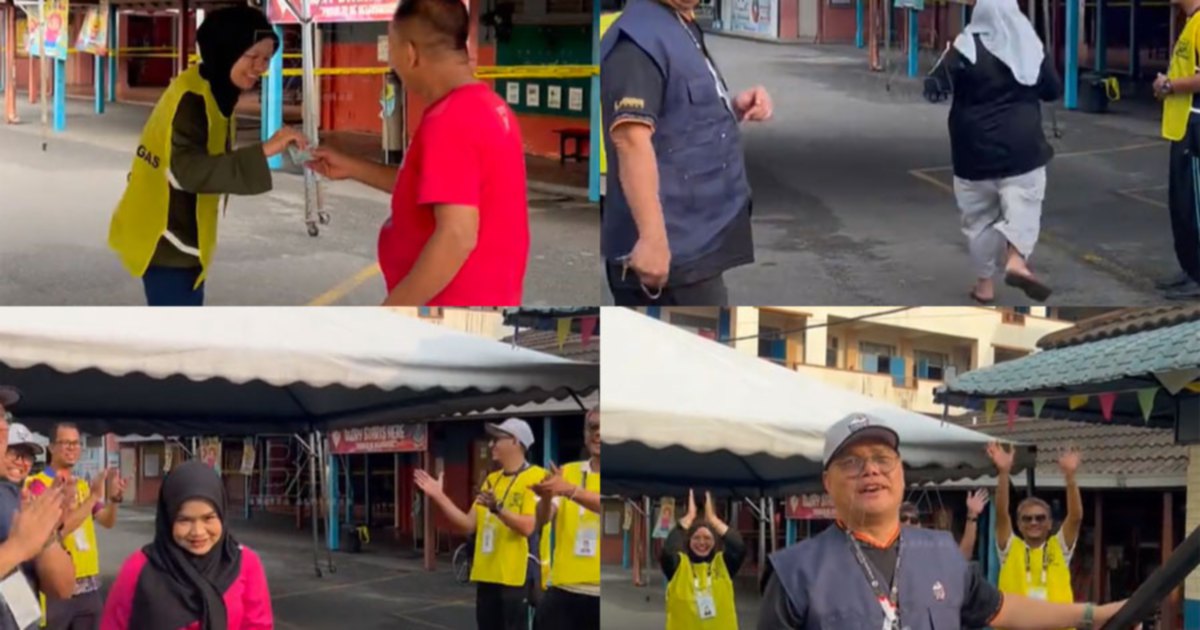
A video that has rapidly circulated across social media platforms documents the intense final stretch of voting during Negri Sembilan's recent state election, capturing scenes of voters hurrying to participate before the polls closed at 6pm. The clip has resonated with online audiences, highlighting both the enthusiasm of citizens exercising their democratic rights and the sometimes chaotic nature of election day logistics.
The footage reveals the pressure that voting deadlines can create, particularly in the closing moments when election officials must manage surging crowds while maintaining orderly procedures. Such scenes are not uncommon during major electoral events in Malaysia, where high voter participation in certain constituencies can lead to long queues extending into the final hours of polling. The Negri Sembilan state election, like many regional contests across Malaysia, had clearly motivated citizens to make considerable efforts to ensure their voices were heard.
For Malaysian voters, particularly those in urban and semi-urban areas, the race against polling deadlines represents both a civic responsibility and a practical challenge. Workplaces, family obligations, and travel logistics often mean that voters must carefully plan their time to reach polling stations before closure. The viral nature of this particular video suggests that the dramatic scenes of last-minute voting resonated emotionally with viewers, many of whom may have experienced similar pressures during their own voting experiences.
The electoral commission's 6pm deadline is standard practice across Malaysian state and federal elections, established to allow sufficient time for ballot counting and verification. However, this fixed timeline can create bottlenecks, particularly in densely populated polling stations. The video's viral spread indicates growing public interest in documenting and sharing election-day experiences on digital platforms, reflecting how Malaysian voters increasingly engage with the democratic process through social media commentary.
From an election administration perspective, such footage provides valuable documentation of real-world voting conditions. Poll management officials can use visual records of crowd dynamics and queue lengths to inform improvements for future elections. In Negri Sembilan, as in other Malaysian states, electoral authorities continually refine their processes to balance accessibility with operational efficiency. The exposure generated by this viral clip may prompt renewed discussions about whether existing polling hours and site allocations adequately serve voter populations.
The incident also reflects broader patterns in Malaysian electoral participation. Negri Sembilan, like several other states, has demonstrated consistent voter engagement across different demographic groups. The determination displayed by voters willing to rush through traffic and navigate crowded venues to cast ballots speaks to the importance Malaysians attach to state-level representation. Regional elections, though receiving less media attention than federal contests, significantly impact local governance, infrastructure development, and state-level policy implementation.
Social media amplification of election-day moments has become increasingly common in Malaysia, where platforms like TikTok, Instagram, and Twitter serve as informal documentation channels for civic participation. This democratisation of election coverage, beyond traditional news outlets, creates a parallel narrative of voting experiences that can reach different audience demographics. The viral video's organic spread suggests that voters find compelling stories of electoral participation worthy of sharing, inadvertently promoting civic engagement awareness.
The competitive nature of the Negri Sembilan state election likely contributed to heightened voter motivation. When electoral contests are closely contested or when particular constituencies are viewed as pivotal, voters demonstrate stronger willingness to overcome logistical barriers. The final hours of polling become particularly charged as supporters recognise the potential significance of late-counted ballots. This psychological element, captured in the viral footage, illustrates how electoral mathematics shape citizen behaviour.
For Malaysian electoral observers and political analysts, such grassroots documentation offers insights into voter sentiment that quantitative polling data alone cannot provide. The enthusiasm captured in the video, despite the evident chaos and rushing, demonstrates genuine democratic participation rather than obligatory voting. This distinction matters when assessing the health and legitimacy of Malaysia's electoral systems and state-level governance.
Moving forward, the viral attention generated by this polling-day moment may influence how electoral authorities approach future elections in Negri Sembilan and other states. Discussions about extending polling hours, establishing additional voting sites, or implementing early voting mechanisms could gain momentum if such scenes become more frequent or widely documented. The intersection of social media visibility and electoral logistics presents policymakers with an opportunity to enhance the voting experience while maintaining security and integrity standards.
The video ultimately serves as a contemporary snapshot of Malaysian democracy in action, capturing both the commitment of citizens to participate and the practical challenges inherent in administering elections. As digital platforms continue reshaping how Malaysians engage with political processes and electoral events, such viral moments will likely play an increasingly important role in shaping public discourse around voting accessibility and electoral participation rates across the country.

