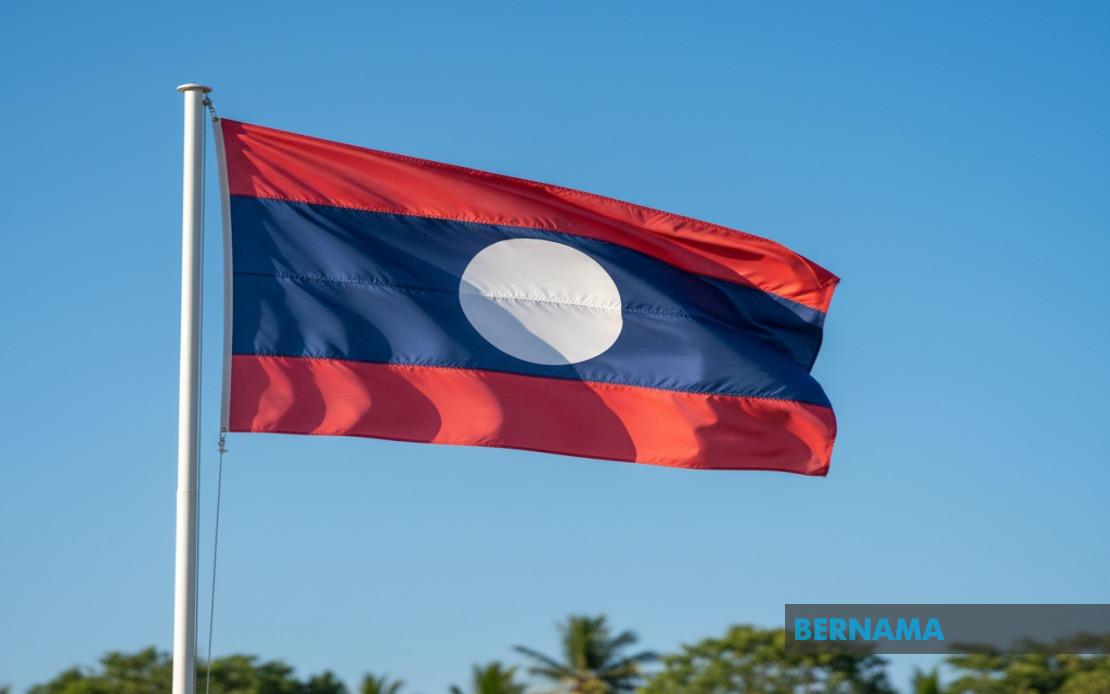
Laos has embarked on a significant effort to reshape its media landscape, with the government adopting a comprehensive modernisation strategy at the country's first National Media Congress. The three-day gathering in Vientiane, which concluded this week, brought together media executives, journalists, editors, and communication professionals from across the nation to chart a new direction for the sector. The congress, themed "Strengthening Party Leadership and Developing the Media Toward a New Level of Quality," reflects Laotian leadership's determination to upgrade journalistic standards while maintaining state oversight of the information ecosystem.
The roadmap emerging from the congress addresses longstanding concerns about media quality and effectiveness in Laos, a country where state media dominates the landscape and private outlets remain limited. Khamphan Pheuyavong, head of the Commission for Information and Education, presented a summary assessment during the closing session, noting that the congress achieved its core objectives: reviewing historical achievements, identifying persistent obstacles, and establishing concrete measures for improvement. This structured approach suggests the Laotian government views media modernisation as integral to broader development goals, positioning journalism as a strategic sector worthy of sustained policy attention.
President Thongloun Sisoulith used the closing ceremony to articulate five priority areas that will guide media sector development in coming years. His framework balances modernisation aspirations with emphasis on ideological consistency and state guidance, reflecting the communist party's enduring influence over media policy. The president's intervention underscores how media reform in Laos remains a state-directed process, distinct from Western models where journalism operates with greater editorial independence from government.
The first presidential priority centres on fostering greater cooperation and unity among media organisations across the country. This emphasis on collaborative learning and mutual understanding reflects recognition that Laos's fragmented media landscape lacks the institutional cohesion and professional networks found in more developed systems. The president specifically highlighted the need for media professionals to develop sophisticated judgment about information, distinguishing between legitimate criticism and harmful misinformation. For Laotian journalists, this framework implicitly defines acceptable discourse while framing state guidance as protective rather than restrictive.
Preservation of cultural values represents the second pillar of the modernisation agenda. The president urged journalists to uphold traditional virtues including humility, generosity, and respect while rejecting vulgarity, dishonesty, and selfishness. This culturally-rooted approach to media ethics reflects Laotian values while establishing behavioural standards that extend beyond professional journalism codes. The emphasis on rejecting dishonesty carries particular weight given recurring international concerns about state media credibility and transparency in reporting.
Third, the government has positioned truth and justice as central to media responsibility. The president stressed that journalists must engage in responsible reporting while actively resisting misinformation and protecting public trust. This focus on accuracy and truthfulness, while straightforward on its surface, acquires added significance within Laos's controlled information environment, where state media traditionally prioritises party narratives. Introducing explicit commitments to truth-seeking represents potential progress, though implementation will depend on how journalists navigate potential conflicts between factual reporting and political sensitivities.
The fourth priority calls for expanded state support to media organisations, particularly from party and government agencies. Rather than envisioning a media sector independent from state influence, Laotian policy explicitly envisions enhanced guidance and constructive assistance flowing from authorities. This institutional relationship reflects the Leninist model of party-controlled media prevalent throughout communist systems, where state support correlates with editorial compliance. For Southeast Asian observers, this dimension illustrates how modernisation rhetoric in one-party states often means upgraded technology and professional training rather than editorial independence.
Continuous professional development constitutes the fifth strategic area, with emphasis on upgrading journalist skills, embracing technological innovation, and adapting to evolving communication landscapes. This forward-looking dimension acknowledges that Laotian media must compete with digital platforms and foreign news sources reaching increasingly connected audiences. Investment in journalist training and technological capacity could genuinely improve reporting quality, though outcomes will depend on whether professional development extends to critical thinking and investigative methodology or remains narrowly technical.
The congress carries significance for the broader Southeast Asian region, where media sectors vary dramatically in independence and professionalism. Laos's initiative demonstrates how even state-controlled systems are responding to pressure for improved journalism standards, even if reform occurs within constrained political parameters. The emphasis on distinguishing misinformation from criticism, while maintaining party guidance, illustrates the delicate balance authoritarian governments attempt when modernising media sectors without relinquishing control.
For Malaysian and regional media professionals, Laos's experience offers instructive contrasts. Malaysia's considerably more pluralistic media environment, while facing its own pressures around press freedom and political influence, operates within frameworks permitting greater editorial diversity than Laos's state-dominated system. The congress highlights how different political systems calibrate media modernisation: Malaysia grapples with balancing commercial incentives, political pressure, and editorial standards, while Laos prioritises coherence between media development and party leadership.
Implementation will ultimately determine whether the congress roadmap meaningfully elevates Laotian journalism. Success requires translating five presidential priorities into concrete training programmes, equipment upgrades, and editorial practices. The emphasis on professional development and technological adaptation could produce genuine improvements in reporting quality and news accessibility for ordinary Laotians. However, the intertwining of modernisation objectives with party leadership reinforcement suggests that progress will remain calibrated to preserve state influence over information flows.
As Laos implements this modernisation roadmap, the coming months will reveal whether the congress represents substantive institutional reform or primarily repackages existing state control in contemporary language. The government's commitment to supporting media organisations with enhanced guidance could generate either improved journalistic capacity or intensified political direction. Regional observers will watch closely as Laos balances aspirations for modern, professional media with the communist party's traditional insistence on ideological conformity and information control.

