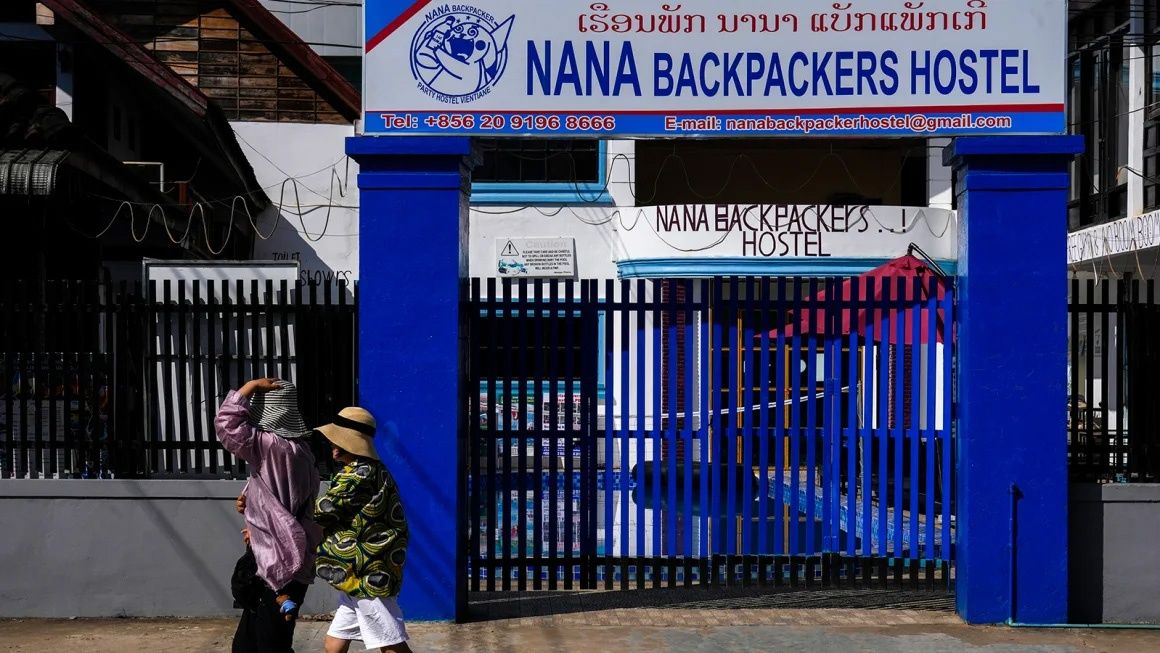
A distillery owner in Laos faces charges of selling contaminated food and operating an illegal business in connection with the deaths of six foreign tourists who consumed tainted alcohol at a backpacker hostel in Vang Vieng last November. The charges, announced by Laos' Ministry of Public Security in Vientiane on Friday, carry a maximum penalty of four years imprisonment and fines if the accused is convicted. However, the decision has sparked immediate diplomatic backlash from Denmark, Australia and Britain, whose citizens were among those killed in what appears to be one of the region's deadliest incidents of methanol poisoning affecting international tourists.
The victims included Danish nationals Anne-Sofie Orkild Coyman, 20, and Freja Vennervald Sorensen, 21; Australian teenagers Bianca Jones and Holly Morton-Bowles, both 19; British lawyer Simone White, 28; and James Louis Hutson, 57, a U.S. citizen. All died after consuming what authorities determined to be methanol-laced spirits at the Nana Backpacker Hostel. The incident has raised troubling questions about safety standards and regulatory oversight in Laos, a landlocked Southeast Asian nation that attracts thousands of young Western backpackers annually seeking affordable adventure tourism and nightlife.
Denmark's Foreign Minister Lars Løkke Rasmussen stated that his government was deeply disappointed by the charges, arguing they failed to reflect the gravity of a tragedy that devastated multiple families across the region. While acknowledging the legal complexities inherent in pursuing more serious charges such as negligent homicide, Rasmussen emphasised that the lenient indictment sits uncomfortably with the scale of loss involved. Significantly, Laos authorities have kept the case file open for fifteen years, meaning prosecutors retain the option to escalate charges if additional evidence emerges supporting more serious criminal allegations. This procedural safeguard, however, provides little immediate comfort to grieving relatives demanding accountability.
Australia's response has been particularly forceful. Foreign Minister Penny Wong declared herself deeply frustrated and bitterly disappointed that authorities were not pursuing the most serious charges available under Laotian law. Prime Minister Anthony Albanese dispatched a government envoy to Vientiane to formally object to the charges and demand a more rigorous investigation. Australian officials also summoned Laos' ambassador to Canberra to lodge official complaints. The families of Bianca Jones and Holly Morton-Bowles held a press conference hours before the charges were announced, preemptively criticising what they anticipated would be an inadequate legal response. Michelle Jones, Bianca's mother, expressed devastation, noting that her daughter had merely been engaging in a normal rite of passage that young people undertake.
Shaun Bowles, Holly's father, went further, warning that the lenient treatment of such a serious incident would deter young Australian travellers from visiting Laos. He described the government's response as mind-boggling, suggesting it demonstrated how little value the Laotian authorities placed on tourist safety. His comments reflect broader concerns within Australia's backpacking community about the risks posed by inadequate regulation and enforcement of health and safety standards in popular Southeast Asian destinations. The families' anger is compounded by apparent procedural failures: some victims did not undergo autopsies, and at least one death certificate incorrectly attributed a methanol poisoning death to natural cardiac arrest.
Parents of Freja Vennervald Sorensen reported being left largely in the dark about the investigation, with Danish public broadcaster DR revealing that no autopsy was performed on their daughter. The family stated they were unaware that methanol poisoning represented a significant health risk and now hope to raise public awareness of the danger. This knowledge gap underscores a broader challenge: methanol poisoning, while often presented as an exotic traveller's risk, is actually a global public health problem affecting both tourists and local populations in countries where illicit or poorly-distilled alcohol is prevalent. Medical assistance organisation Doctors Without Borders has documented that Indonesia, India and Russia record the highest numbers of suspected methanol poisoning cases worldwide.
Methanol contaminates alcoholic beverages through two primary pathways. Unscrupulous bar operators sometimes deliberately add methanol as a cheaper substitute for ethanol to increase profit margins, while poor distillation practices in home-brew operations can produce methanol as a toxic byproduct. The substance is particularly dangerous because it metabolises in the body into formaldehyde and formic acid, causing severe organ damage, blindness and death. The Nana Backpacker Hostel allegedly distributed complimentary shots of Laotian vodka to guests, who subsequently visited other venues before falling critically ill. When the Australian teenagers failed to check out as scheduled, hostel staff discovered them gravely sick and arranged evacuation to hospitals in Thailand, where they later died.
Laos presents a complex regulatory environment. As one of Southeast Asia's poorest nations and an authoritarian one-party communist state, it exerts tight control over information and maintains limited transparency in official proceedings. The country's appeal to backpackers lies partly in its affordability and the permissiveness of destinations like Vang Vieng, famous for adventure activities and relaxed enforcement of rules governing entertainment venues. This combination of economic incentives for cost-cutting operators and weak regulatory infrastructure creates dangerous conditions. The Laotian Foreign Ministry declined to comment substantively on the charges, restricting access to official information and limiting the news conference to domestic media and representatives of concerned embassies.
The charges against the distillery owner represent a significant underestimation of culpability in the eyes of affected governments and families. Selling food or beverages that cause death through poisoning traditionally warrants prosecution under more serious criminal statutes addressing recklessness or negligence. The maximum four-year sentence for selling harmful food falls far short of penalties typically imposed in comparable cases in Western jurisdictions. That the case remains open for fifteen years technically permits escalation, yet this offers little practical recourse given Laos' limited investigative capacity and the challenges of gathering additional evidence in a jurisdiction resistant to scrutiny. The diplomatic row highlights the tension between Southeast Asia's dependence on tourism revenue and the obligation to maintain safety standards that protect international visitors.
Britain's response has been more muted than Australia's, though embassy vehicles were observed leaving the Ministry of Public Security following the announcement, indicating official engagement with Laotian authorities. The British government has not yet issued formal statements matching the intensity of Australian or Danish objections, though the death of Simone White, a 28-year-old lawyer, presumably prompted diplomatic communication behind closed doors. The collective response from these three nations signals that governments take seriously the protection of their citizens abroad and expect Southeast Asian nations to enforce robust standards regardless of economic pressures or regulatory limitations.
For Malaysia and the broader region, this incident carries significant implications. Malaysian authorities and tourism operators should take note of how inadequate enforcement in neighbouring countries creates reputational damage and deters tourist flows. Malaysia's established regulatory frameworks for alcohol production and venue safety, while not perfect, provide comparative advantages. However, the methanol poisoning crisis in Laos demonstrates that Southeast Asian nations must move beyond minimum compliance toward comprehensive safety protocols that protect both locals and international visitors. Educational campaigns warning travellers of methanol poisoning risks, particularly in budget accommodation venues and informal drinking establishments, could save lives and prevent families from experiencing the devastating losses that have marked this case.

