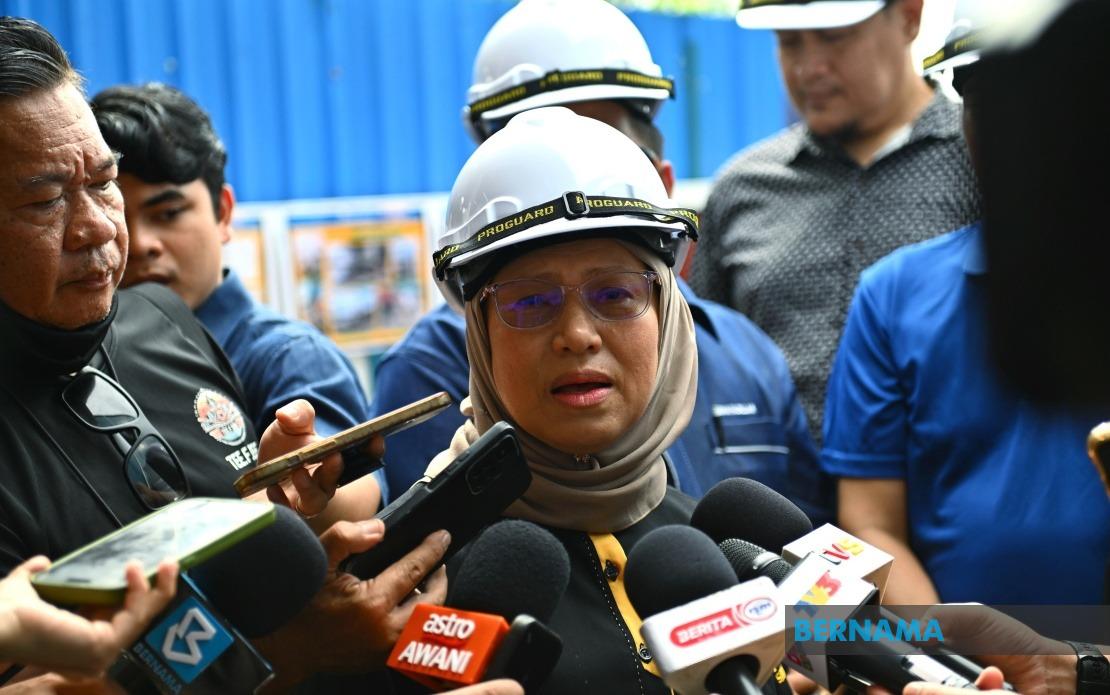
The Social Welfare Department has instructed a Langkawi-based kindergarten to cease operations immediately pending the completion of a police investigation into accusations of child neglect and mistreatment. Women, Family and Community Development Minister Datuk Seri Nancy Shukri announced the decision on July 18, emphasising that the department's intervention reflects the government's commitment to safeguarding children's welfare across all care settings, regardless of regulatory oversight arrangements.
The allegations emerged following a complaint lodged by a former kindergarten staff member, who detailed concerning conditions at the facility. According to Langkawi district police chief ACP Khairul Azhar Nuruddin, the accusations include claims that children were compelled to sleep directly on floors without bedding and were allegedly confined in toilet facilities. Investigators are working methodically to verify these assertions, examining CCTV recordings and obtaining statements from witnesses who can shed light on daily practices at the premises.
While the Education Ministry maintains regulatory authority over kindergarten operations in Malaysia, the Social Welfare Department's involvement underscores the collaborative approach authorities are adopting in child protection cases. Nancy Shukri clarified that JKM's child protection officers are working alongside police investigators and the District Education Office to compile evidence and documentation necessary for the inquiry. This multi-agency coordination reflects growing recognition that safeguarding vulnerable children requires coordination across different government departments with complementary expertise and authority.
The investigation proceeds under Section 31(1) of the Child Act 2001, a legal framework designed to address situations where children face potential harm or inadequate care. The police have been tasked with thoroughly examining the validity of each allegation, a process that typically involves cross-referencing witness accounts, analysing video surveillance, and consulting with child welfare specialists who can assess whether conditions meet acceptable standards for early childhood facilities.
AuthorityResponses have already included formal warnings to the kindergarten operator regarding their obligations concerning child care standards, safety protocols, and general welfare requirements. Nancy Shukri stressed that operators must comply fully with established regulations, signalling that serious consequences await any facility found in breach of legally mandated provisions. The threat of enforcement action serves as a deterrent to other childcare providers who may be complacent about compliance or who prioritise convenience over the wellbeing of children in their charge.
Parents with children at the facility have been advised to follow police instructions as the investigation progresses, a measure intended to preserve evidence integrity and ensure that children are not exposed to further potential harm. This guidance reflects the delicate balance authorities must strike between conducting thorough investigations and protecting youngsters from ongoing exposure to questionable conditions. For families affected, the closure creates immediate childcare challenges, though this disruption is viewed as necessary to safeguard children's physical and psychological wellbeing.
The incident highlights broader concerns about oversight mechanisms in Malaysia's early childhood education sector. Kindergartens often operate with minimal supervision between formal inspections, and enforcement of standards can be inconsistent, particularly in smaller towns outside major urban centres. The Langkawi case serves as a reminder that parental vigilance and the willingness of staff members to report concerning practices remain essential components of child protection infrastructure. Former employees who recognise inappropriate treatment and choose to report it play a crucial role in identifying problems that might otherwise go unnoticed.
The allegations of physical conditions such as floor sleeping and toilet confinement represent serious departures from accepted early childhood care practices. These practices raise concerns not only about basic physical comfort but also about the psychological impact on young children, whose developmental needs include consistent access to safe, clean facilities and appropriate rest areas. Exposure to such conditions during formative years can affect emotional development and create lasting negative associations with educational settings.
Investigators will need to determine whether observed conditions reflect deliberate mistreatment, systemic negligence, or inadequate resources and staff training. This distinction matters for determining appropriate corrective measures and legal consequences. Facilities operating under severe resource constraints may require support and remediation, while those engaging in deliberate harm warrant stricter penalties. The investigation's findings will likely inform policy discussions about minimum standards, inspection frequency, and accountability mechanisms across Malaysia's childcare sector.
The temporary closure order carries significant implications for parents who depend on the facility for childcare while working. However, authorities have prioritised child safety over operational convenience, reflecting an established principle in child protection policy. The Social Welfare Department's decision signals that accommodating children's immediate care needs does not override the imperative to investigate and address potential harm. Families are expected to make alternative arrangements while authorities complete their assessment, a burden that, while challenging, is viewed as proportionate to the seriousness of the allegations.
Wider implications extend to other early childhood facilities across Langkawi and neighbouring regions, where managers may now scrutinise their own practices and ensure full compliance with established standards. Word of enforcement action circulates quickly in local communities, and visible government response to complaints encourages both facility operators to maintain high standards and parents to report concerns without fear that reports will be dismissed. This case may catalyse broader discussions about strengthening oversight mechanisms in the childcare sector and ensuring consistent application of standards regardless of facility size or location.

