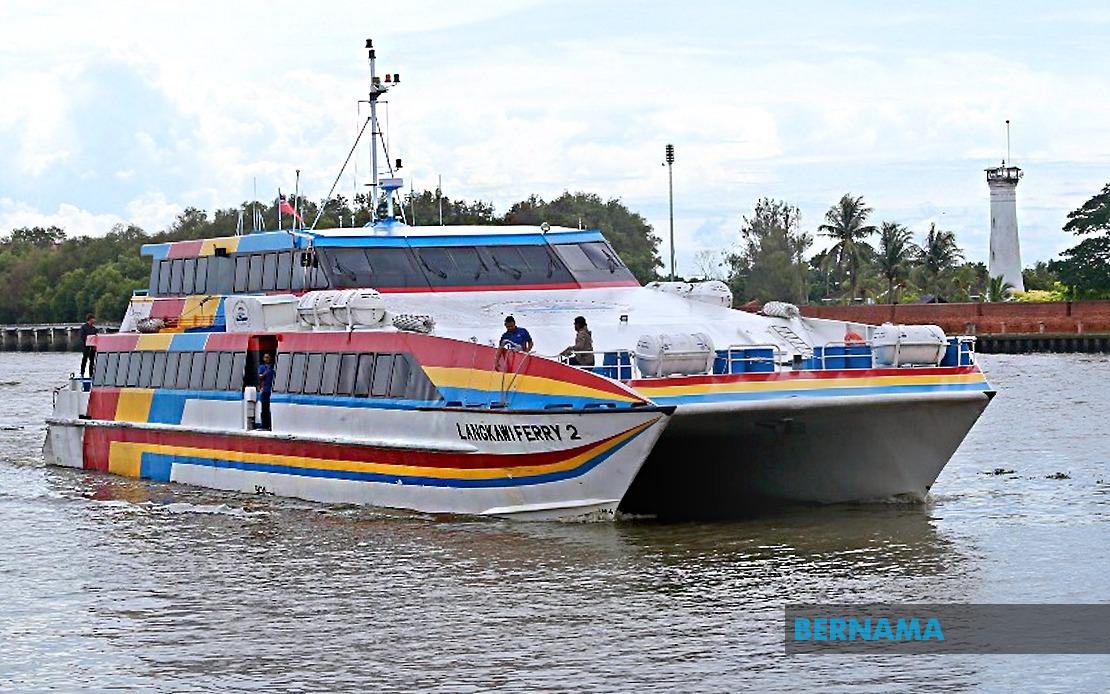
The ferry industry servicing Langkawi faces mounting operational challenges as silting in two critical shipping corridors threatens to disrupt the transportation backbone connecting the island to the mainland. Ferry Line Ventures Sdn Bhd has formally urged federal authorities to accelerate dredging initiatives in Kuala Kedah and Kuala Perlis, citing deteriorating navigation conditions that jeopardise both passenger safety and the reliability of ferry schedules at Southeast Asia's premier island tourism destination.
Lieutenant Commander (Retired) Norhafiz Abdul Wahid, the operations manager for Ferry Line Ventures, outlined the severity of the situation, emphasising that progressively shallower channels create compounding risks for the ferries that constitute the primary transit method to Langkawi. The sediment accumulation not only increases the operational complexity of moving large passenger vessels through confined waterways, but introduces the prospect of service cancellations and extended delays, complications that reverberate through the broader tourism ecosystem.
The economic stakes are substantial. During the busy months of the year, ferry operators transport approximately 25,000 tourists daily across the Kuala Kedah and Kuala Perlis routes, Ferry Line Ventures disclosed. This figure underscores the sector's centrality to Langkawi's status as a major revenue generator for Malaysia's tourism economy. Any sustained disruption would expose hotels, restaurants, retail outlets, and attractions across the island to significant revenue losses while damaging Malaysia's international reputation as a reliable tourism destination.
The concern has acquired fresh urgency given the calendar of major events approaching Langkawi. The Langkawi International Maritime and Aerospace Exhibition, scheduled for next year, will draw international delegates, military delegations, and aerospace industry professionals who will depend on uninterrupted ferry connections. Should shipping channels remain inadequately maintained through the peak tourist season, the exhibition risks operational complications and negative international attention at a moment when Malaysia seeks to showcase its maritime capabilities.
Dredging maintenance represents a persistent challenge in the region's tropical maritime environment. Seasonal monsoon patterns, tropical riverine discharge, and coastal shelf sediment dynamics continuously deposit material into navigation channels throughout the year. Routine, scheduled dredging is therefore not a one-time solution but rather an ongoing requirement for any tropical port system to maintain operational capacity. Ferry Line Ventures has therefore advocated for systematic, periodic dredging schedules rather than episodic interventions undertaken only after problems become critical.
The operational demands on ferry services intensify during Malaysia's school holiday periods and national celebrations, when domestic tourism surges and urban residents seek weekend or week-long escapes to island resorts. The window between late August and early September exemplifies this seasonal spike. During this specific fortnight, ferry operators have provisioned 176 regular scheduled sailings supplemented by an additional 66 sailings to absorb anticipated passenger volume. Conservative forecasts anticipate roughly 90,000 travellers utilising the two principal ferry corridors during this compressed timeframe.
Capacity management strategies have proven reasonably effective to date. Ferry Line Ventures reported that advance ticket sales through digital platforms and reservations counters have reached 86,978 units, demonstrating substantial consumer engagement with the service despite broader transportation alternatives. The company has actively encouraged further advance purchases through the Cuti-Cuti Langkawi mobile application, a strategy designed to smooth demand distribution, reduce queuing disruptions, and provide more accurate load forecasting.
The dredging imperative carries implications extending beyond immediate ferry operations. The broader regional connectivity between Peninsular Malaysia and Langkawi underpins commercial relationships, employment patterns, and family networks. Restrictions on ferry capacity or increased transit uncertainty would likely prompt some travellers to seek alternative transport modes, potentially increasing vehicle traffic through the Langkawi-Kuah bridge where congestion already imposes costs on residents and commuters. The ferry system functions as a necessary complement to road infrastructure, distributing travel demand and providing an economically rational alternative for cost-conscious travellers.
From a governance perspective, the appeal from Ferry Line Ventures reflects a structural challenge faced by Malaysia's port authorities and maritime administration. Dredging operations require sustained budgetary allocation, specialised equipment, environmental compliance oversight, and coordination across multiple regulatory bodies. The cost structure favours preventative maintenance over crisis management, yet government budgeting cycles often struggle to fund routine maintenance that generates no visible public relations benefit. Ferry operators, as direct stakeholders bearing the operational consequences of infrastructure neglect, occupy a strategic position to advocate for maintenance investment.
The environmental dimensions of dredging operations also warrant consideration in policy discussions. Removal of sediment from navigation channels redistributes material that must be placed elsewhere, introducing questions about disposal methodology, marine ecosystem impacts, and coastal erosion prevention. Modern dredging operations increasingly incorporate environmental management protocols, but these add cost and complexity to projects. Malaysian authorities must balance navigation safety imperatives against legitimate environmental stewardship concerns.
Ferry Line Ventures' reassurance that operational readiness levels will remain elevated throughout the school holiday and National Day periods suggests confidence in existing capacity despite infrastructure constraints. However, this statement implicitly acknowledges that management is operating within tighter margins than optimal, potentially at higher operational stress and elevated risk exposure. The discrepancy between desired infrastructure conditions and current reality has narrowed the operational buffer.
The timing of this appeal positions dredging as a near-term priority for federal maritime authorities. With major tourism seasons approaching and international events on the horizon, the window for completing necessary maintenance work compresses significantly. Delays in project approval and implementation could cascade into high-visibility service failures during precisely the periods when Langkawi should be consolidating its position as Malaysia's foremost island destination.

