The island of Langkawi is set to receive a dedicated sea ambulance service in early 2025, marking a significant breakthrough for residents who have long struggled with transporting critically ill and injured patients to medical facilities on peninsular Malaysia. The initiative, funded through a RM5.5 million allocation from the Ministry of Finance announced by Finance Minister II Datuk Seri Amir Hamzah Azizan, represents a substantial commitment to improving healthcare accessibility in one of Malaysia's most prominent tourist destinations. For an island community that has historically relied on conventional ferry services and ad hoc arrangements during medical emergencies, the arrival of a dedicated marine ambulance promises to fundamentally reshape how urgent medical situations are managed.
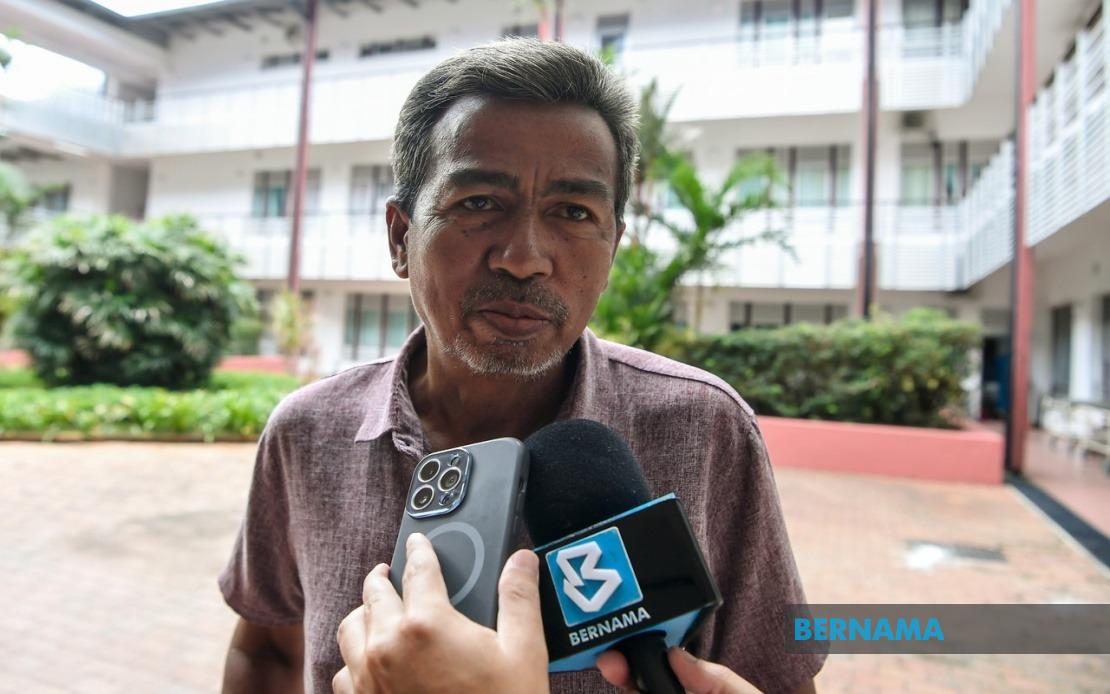
The enthusiasm among Langkawi's business and trading communities reflects the depth of frustration that has accumulated over decades of inadequate emergency transport infrastructure. Yusuf Zakaria, chairman of the Langkawi Small Traders Association, articulated a perspective shared by many residents when he described the initiative as overdue relief for a community whose healthcare vulnerabilities have been poorly addressed. While he acknowledged that a non-governmental organisation has previously operated a water ambulance service, he raised a critical concern about the consistency and reliability of such arrangements. His confidence in a government-operated service stems from the expectation that official protocols, standardised procedures, and systematic oversight would ensure patient safety in ways that informal or voluntary services cannot guarantee. This distinction points to a broader issue in Malaysia's regional healthcare logistics—the importance of institutionalised systems rather than ad hoc solutions for life-and-death situations.
Contractor Muhamad Hafiz Abdul Jalil captured the practical hardships that emergency situations have imposed on Langkawi's working population. His observation that ferry services proved unsuitable for patients requiring specialised medical care underscores the gap between general transportation and emergency medical evacuation. Ferries are designed for routine passenger movement, lack medical equipment, and operate on fixed schedules that rarely align with unpredictable medical crises. For residents dealing with acute cardiac conditions, severe trauma, stroke, or other time-critical emergencies, the delay in accessing appropriate transport can literally mean the difference between recovery and mortality. His hope that the planned service will be implemented as intended reflects a cautious optimism—a recognition that government commitments to regional development do not always materialise within promised timeframes.
Trader Masri Ahmad introduced another dimension to the service's significance by emphasising its potential benefit to Langkawi's substantial tourist economy. The island receives hundreds of thousands of visitors annually, many of whom are foreign nationals unfamiliar with local medical systems and transport arrangements. When tourists experience medical emergencies during their stays—whether from accidents, sudden illness, or pre-existing conditions triggered by travel stress—rapid access to appropriate hospital care becomes both a humanitarian imperative and a matter affecting the island's reputation. A dedicated sea ambulance signals to the tourism industry that Langkawi takes the safety of its visitors seriously, potentially influencing destination selection and travel insurance considerations among prospective holidaymakers. This economic angle adds weight to what might otherwise be perceived as a purely humanitarian project.
The nocturnal dimension of Langkawi's emergency transport challenge deserves particular attention. Ferry services typically cease operations during nighttime hours due to safety considerations and reduced passenger demand. This means that residents experiencing medical emergencies between sunset and dawn have historically faced compounded difficulties in reaching urgent care. A 24-hour sea ambulance service would eliminate this temporal vulnerability, ensuring that midnight heart attacks, severe accidents, or other after-hours emergencies receive the same rapid response capabilities available during daytime hours. This represents a fundamental improvement in equity of access to emergency care, a principle increasingly recognised as central to healthcare quality in island and remote communities throughout Southeast Asia.
The RM5.5 million financial commitment requires contextualisation within Malaysia's broader health infrastructure investment patterns. The allocation covers both capital expenditure for acquiring the vessel and operational costs during the service's establishment phase. Modern medical evacuation vessels are sophisticated pieces of equipment, typically equipped with medical monitoring systems, oxygen delivery apparatus, defibrillators, and accommodations for paramedics and accompanying family members. The allocation must extend beyond hardware to encompass staff training, maintenance protocols, fuel costs, insurance, and coordination mechanisms with mainland hospital systems. The decision to fund initial operating costs reflects a recognition that regional health services require transitional financial support before becoming self-sustaining or integrated into regular budget cycles.
Integration between the sea ambulance service and Langkawi's existing health infrastructure presents an important operational consideration. The island has medical clinics and a general hospital, but complex or specialised cases require treatment at larger facilities on the mainland, particularly in Kedah and Penang. The new service must establish clear protocols for determining which patients require mainland referral, coordinating with receiving hospitals to ensure beds and specialists are available, and maintaining communication channels between the ambulance crew and medical facilities. These logistical details often determine whether theoretically available services actually function smoothly during crises. The government's commitment to procedural oversight, as implied by Yusuf Zakaria's remarks about formal protocols, suggests awareness of these operational complexities.
The broader implications for Malaysian island communities extend beyond Langkawi itself. Labuan, Tioman, Perhentian, and other populated islands face similar challenges in emergency medical transport. Langkawi's experience and this service's implementation could establish a template for addressing healthcare accessibility across Malaysia's maritime geography. The success or difficulties encountered in operating the Langkawi sea ambulance will inevitably inform policy discussions about regional health service equity. Southeast Asia's growing tourism industry and increasingly mobile populations make robust emergency medical transport infrastructure a competitive advantage for destination islands competing for visitor spending. Malaysia's willingness to invest in such services may positively influence its standing within regional tourism hierarchies and among travellers prioritising health security in their destination choices.
The human testimonies gathered in the announcement process reveal that this service fulfils a genuine, deeply felt need within the Langkawi community rather than addressing an abstract policy objective. Residents have watched tourists and fellow islanders struggle with medical emergencies for years, knowing that their island's geographic isolation from major medical centres creates vulnerability. The gratitude expressed by Masri Ahmad and others represents relief at finally having their community's healthcare challenges taken seriously at the federal government level. This emotional validation matters beyond the practical benefits the service will provide, signalling to regional communities that their concerns about healthcare access register as important in national policy debates. For Langkawi, early 2025 cannot arrive too soon.

