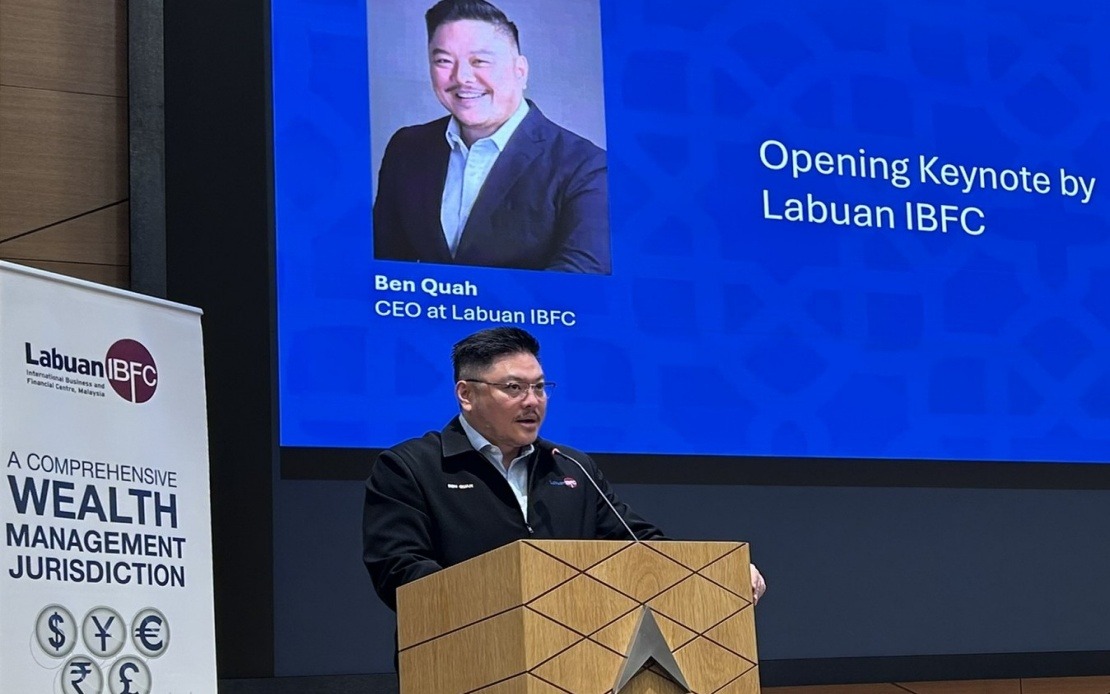
A landmark gathering of Islamic finance professionals in Kuala Lumpur has underscored Malaysia's growing ambitions to position itself as a regional hub for sophisticated wealth management structures that blend Islamic principles with international best practices. Labuan IBFC Incorporated Sdn Bhd, ASAS (Association of Shariah Advisors in Islamic Finance Malaysia) and STEP Malaysia (Society of Trust and Estate Practitioners) convened the Islamic Wealth & Legacy Forum 2026 to examine how wealth can be preserved, administered and transferred within a Shariah-compliant framework while navigating the complexities of globalised family assets.
The forum's central theme—"Beyond Faraid"—reflects a nuanced understanding that Islamic estate planning extends far beyond the classical distribution rules outlined in Quranic inheritance law. While faraid remains foundational to Muslim estate administration, the gathering acknowledged that modern wealth structures, international assets and multi-generational planning require sophisticated integration of trusts, takaful products and other mechanisms that complement rather than contradict Islamic jurisprudence. This positioning addresses a critical gap in Malaysia's wealth services sector, where Muslim high-net-worth individuals increasingly seek solutions that honour religious obligations while managing complex cross-border holdings and business succession scenarios.
Labuan IBFC Inc Chief Executive Officer Ben Quah articulated the international dimension of this challenge, noting that as wealth becomes increasingly borderless, families require flexible frameworks offering asset protection and long-term stability. Labuan IBFC's mandate as an international financial centre positions it uniquely to facilitate such structures, particularly for diaspora communities and multinational family enterprises seeking Shariah-compliant wealth solutions outside Malaysia's domestic regulatory framework. This capability strengthens Malaysia's competitive standing against rival Islamic finance hubs in the Gulf and Southeast Asia, where similar services are rapidly developing.
The collaboration between the three organisations demonstrates how Malaysia's Islamic finance ecosystem has matured beyond individual practitioners operating in silos. STEP Malaysia Branch Chair Farah Deba highlighted the complementary roles each organisation brings: STEP's expertise in advising families across generations, Labuan IBFC's international structuring capabilities, and ASAS's core Shariah governance perspective. This triangulation creates a more comprehensive service offering than any single entity could provide, allowing wealthy Muslim clients to access coordinated advice that addresses legal, financial and religious considerations simultaneously.
Practical estate administration challenges formed a major focus throughout the day's proceedings. Estate executors and administrators frequently encounter thorny scenarios where deceased individuals leave assets in multiple jurisdictions, some held in vehicles like trusts or offshore companies that complicate faraid calculations. The forum examined how proper documentation, governance frameworks and advance planning can translate succession intentions into arrangements that withstand both secular legal scrutiny and Shariah compliance reviews. Such implementation details often prove decisive for whether wealth actually flows according to the deceased's wishes or becomes trapped in litigation and bureaucratic complications.
The afternoon sessions explored specific wealth preservation mechanisms that increasingly appeal to Malaysia's Muslim elite. Takaful products, which function as Islamic insurance alternatives, serve dual purposes: they provide necessary protection against catastrophic loss while creating liquidity for estate taxes and administrative expenses. Trusts, historically viewed with suspicion in some Islamic jurisprudential traditions, are increasingly recognised as compatible with Shariah when structured with proper intent and governance. The forum discussions examined how such instruments can support intergenerational wealth transfer, a concern of paramount importance in family businesses where founder-generation wealth must transition to successors without disrupting operational continuity or creating fractious disputes among heirs.
ASAS Executive Committee member Yusaini Yusof's closing remarks emphasised that rigorous Shariah governance ensures legacies are structured properly, implemented successfully and ultimately serve Maqasid Shariah—the higher objectives and public interests underlying Islamic law. This framing elevates Islamic wealth planning beyond mere technical compliance into a values-driven practice where professionals bear responsibility for advancing spiritual and social welfare alongside financial objectives. For ASAS members and the broader Shariah advisory community, such positioning reinforces their professional standing as moral arbiters rather than regulatory functionaries.
The forum builds upon earlier collaboration formalised through a memorandum of understanding between Labuan IBFC Inc and ASAS, signalling institutional commitment to ongoing engagement rather than one-time conferences. Strengthened ties with STEP Malaysia and the wider professional community suggest momentum toward developing coherent standards, perhaps eventually certification or qualification frameworks, that signal competence to international clients seeking trustworthy Islamic wealth advisers. Such professionalisation mirrors developments in conventional trust and estate planning, where internationally recognised credentials command premium fees and client confidence.
For Malaysian wealth professionals and practitioners, the forum addresses a strategic imperative: as regional competitors enhance their Islamic wealth services, Malaysia risks losing high-value client segments unless its advisers demonstrate sophisticated integration of Shariah principles with contemporary wealth structures. The gathering signals that Malaysia's professional community is responding to this competitive challenge by building collaborative ecosystems where knowledge and best practices flow across organisational boundaries. This contrasts with earlier siloed approaches where wealth managers, Shariah advisers and estate practitioners operated largely independently.
The implications extend beyond Malaysia's borders. Southeast Asian Muslims increasingly accumulate substantial wealth through trade, technology ventures and real estate, yet often struggle to find trustworthy advisers familiar with both Islamic requirements and international structuring techniques. Malaysia's developed financial infrastructure and established Shariah expertise position it to capture significant market share from this growing demographic, providing services that Gulf-based competitors may struggle to deliver for non-Arab clients or that conventional offshore centres cannot adequately Islamise. The forum thus represents not merely professional development but economic strategy—leveraging Malaysia's institutional advantages to secure regional wealth management business.
Looking ahead, sustained success requires more than periodic forums. Professional associations must develop coherent competency standards, perhaps through formal education or certification programmes that identify advisers capable of handling complex cross-border Islamic wealth matters. Financial regulators should consider whether existing frameworks adequately accommodate innovative Shariah-compliant structures, or whether regulatory clarifications could safely expand the range of permissible instruments. Labuan IBFC's role as an offshore centre means it can experiment with structures that domestic regulators might hesitate to permit, potentially creating a regulatory laboratory where Islamic wealth solutions can be tested and refined before adoption elsewhere in Malaysia.

