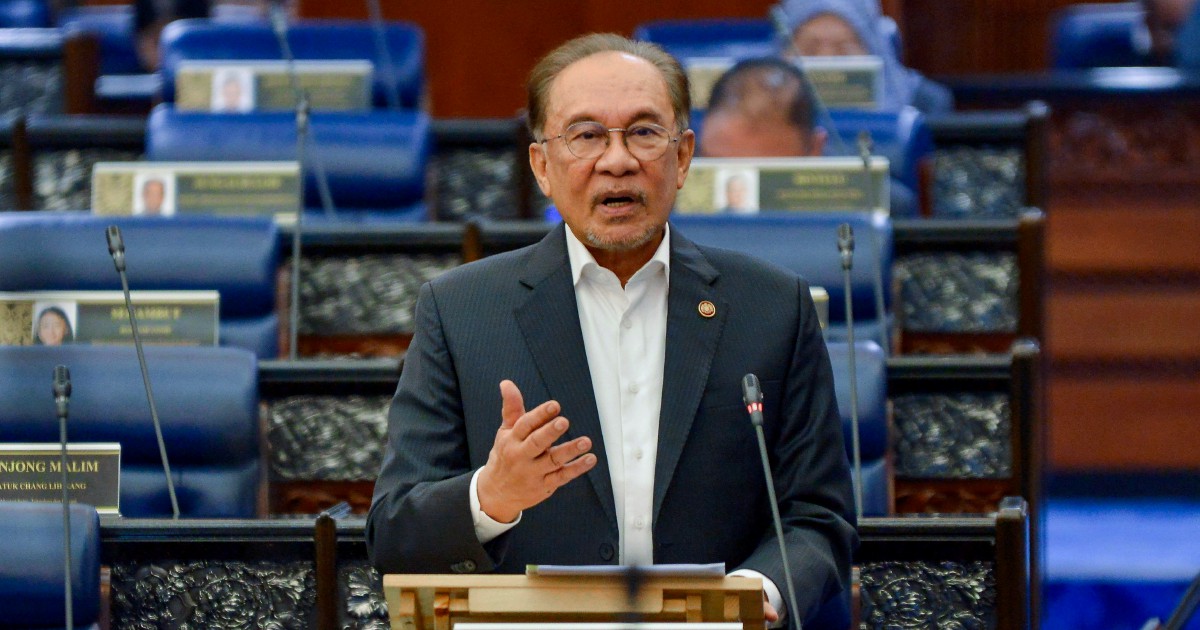
Malaysia faces a substantial structural challenge in meeting its pension obligations, with investment returns significantly outpaced by annual retiree payments. During recent parliamentary remarks, Prime Minister Datuk Seri Anwar Ibrahim highlighted that Retirement Fund Incorporated (KWAP), the government's primary pension manager, generated RM12.9 billion in investment earnings yet must service pension bills approaching RM45 billion yearly. This mismatch underscores mounting pressure on the nation's retirement financing system and raises questions about long-term sustainability.
KWAP serves as the cornerstone of Malaysia's public sector pension management, overseeing retirement benefits for civil servants and public employees. The fund's investment portfolio generates returns through equities, bonds, real estate, and other asset classes managed by professional teams. Nevertheless, the substantial gap between what the fund earns and what it must disburse reveals the scale of pension obligations accumulated through decades of public employment. Anwar's disclosure brings into focus what analysts have long recognized: demographic shifts and expanding retiree populations create structural imbalances in pension finances.
The RM45 billion annual pension bill reflects decades of accumulation—generations of government employees retiring with entitlements promised under prevailing schemes. Malaysia's civil service remains one of the region's largest public sector workforces, with hundreds of thousands drawing pensions. As life expectancy rises and the workforce ages, the flow of newly retiring employees continues accelerating. This demographic reality means pension outlays will likely grow faster than investment returns in coming years, deepening the sustainability crisis.
Government contributions traditionally bridge gaps between KWAP investment earnings and actual pension payments. However, relying on general budget allocations to fund this shortfall competes directly with other priorities—healthcare, education, infrastructure, and defence. For a government managing tight fiscal conditions post-pandemic, this dynamic creates difficult trade-offs. Every ringgit channelled toward pensions represents money unavailable for other policy objectives, a tension that will intensify as the gap widens.
Anwar's intervention signals heightened attention within the administration to pension financing. Previous governments largely managed the issue through incremental adjustments and supplementary budgeting. By publicly airing the scale of the problem, the Prime Minister appears to be laying groundwork for potentially difficult discussions about reform. Such reforms could involve adjusting contribution rates, gradually raising retirement ages, modifying benefit formulas, or introducing elements of means-testing—all politically sensitive topics in a nation where civil service employment carries significant electoral weight.
Regionally, Malaysia's pension challenge mirrors experiences across Southeast Asia and globally. Thailand, Indonesia, and the Philippines grapple with similar demographic and financial pressures. Ageing populations coupled with shrinking working-age ratios create mathematical pressures on pay-as-you-go pension systems. Countries that have successfully navigated these transitions typically implemented gradual reforms over extended periods, building social consensus around necessary adjustments rather than sudden, disruptive changes.
The investment performance dimension also warrants scrutiny. KWAP's RM12.9 billion earnings represent respectable returns in many contexts, yet pale beside the RM45 billion obligation. This relationship raises questions about optimal asset allocation and investment strategy. Over coming decades, can more aggressive positioning in higher-returning assets improve fund performance? Conversely, do such approaches create unacceptable volatility risks? These technical questions carry profound implications for pension sustainability and workforce retirement security.
Markets have also begun pricing in Malaysia's pension challenges. Credit rating agencies and bond investors monitor government finances closely, and mounting pension obligations factor into assessments of fiscal health. If concerns about pension sustainability deepen, they could eventually influence borrowing costs, compounding budgetary pressures. This creates incentive structures pushing policymakers toward addressing the issue proactively rather than postponing difficult decisions.
For private sector workers in Malaysia, KWAP's challenges carry indirect significance. The government's approach to public sector pensions influences broader attitudes toward retirement financing and may eventually shape policy discussions affecting private schemes regulated by Bank Negara Malaysia. Additionally, any major reform to civil service pensions could affect consumer demand and household spending patterns given the purchasing power of retirees.
The disclosure also highlights governance questions. Adequate transparency about long-term pension liabilities remains essential for parliamentary oversight and public accountability. Future governments will inherit these obligations regardless of political complexion, making bipartisan consensus around sustainable solutions valuable. Anwar's public statement represents a step toward broader societal engagement with what remains predominantly technocratic discussion among specialists.
Moving forward, policymakers face choices between adjustment now or more dramatic adjustment later. Phased reforms implemented over the next five to ten years could distribute burden-sharing across generations. Delaying decisions compounds problems through compounding demographic effects and deferred adjustments that eventually require steeper changes. The coming years will reveal whether Anwar's public acknowledgment of the challenge translates into serious reform proposals or remains a rhetorical exercise.

