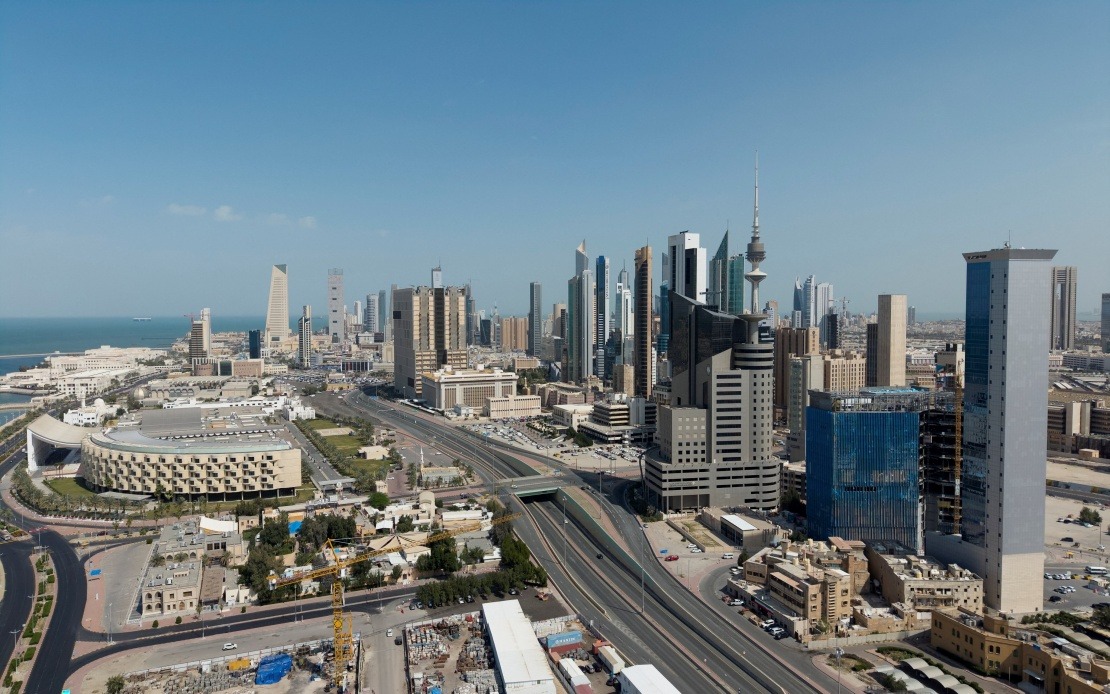
Kuwait has launched a major financial initiative aimed at addressing the aftermath of recent regional tensions, establishing a dedicated emergency response fund with an initial allocation of US$100 million. The move represents a significant commitment by the Gulf state to rebuild critical infrastructure and strengthen its institutional capacity for managing future crises. The Kuwait Emergency Response Fund, established through the Kuwait Fund for Arab Economic Development, was announced on Sunday as part of the country's broader strategy to recover from damages sustained during the escalating conflict in the region.
Forward Minister Sheikh Jarrah Jaber Al-Ahmad Al-Sabah unveiled the initiative at a public briefing, emphasizing that the fund creates a formal emergency financing framework designed to enhance national crisis response mechanisms. The establishment of this dedicated financial vehicle reflects Kuwait's recognition that ad-hoc approaches to disaster recovery are insufficient in an increasingly unstable regional environment. By institutionalizing the response through the KFAED, Kuwait is positioning itself to respond more rapidly and effectively to future emergencies, whether caused by conflict or natural disasters.
The fund's creation follows cabinet approval and represents a carefully structured approach to infrastructure rehabilitation. Acting Director General of the KFAED Waleed Al-Bahar explained that the organization will evaluate incoming financing requests and allocate resources based on prioritized project lists. This methodical assessment process aims to ensure that funds are deployed where they will have maximum impact on restoring essential services and facilities. The framework also allows for flexibility in responding to emerging needs as damage assessments are completed across different sectors.
Kuwait's decision to mobilize substantial financial resources underscores the material costs of regional instability on Gulf economies. The country has faced particular vulnerability given its geographic proximity to Iran and its role as a strategic partner to the United States. The damages that prompted this fund's creation stem from the February 28 escalation, when American and Israeli forces conducted coordinated military strikes on Iranian targets. This action represented a significant escalation in regional tensions that had been building over several months.
Iran's response to those strikes was swift and consequential. Tehran launched a coordinated barrage of missiles and unmanned aerial vehicles targeting both Israel and American military installations across neighboring countries, including those in the Gulf region. Kuwait, hosting significant American military personnel and assets, faced heightened security risks during these exchanges. The potential for collateral damage to civilian infrastructure and economic assets in such a volatile environment is substantial, and Kuwait's fund addresses this tangible threat.
The appeal for private sector participation signals that Kuwait views infrastructure recovery as a shared national responsibility extending beyond government coffers. By inviting businesses and commercial institutions to contribute, the government aims to create a broader stakeholder coalition in the rebuilding process. This approach also distributes the financial burden more equitably across society and leverages private sector expertise in project implementation and management.
For Malaysia and other Southeast Asian nations watching regional developments, Kuwait's fund establishment carries important implications. The Gulf region remains a critical arena for global geopolitics and energy markets, with implications for Southeast Asian economies dependent on Middle Eastern oil and gas supplies. Any prolonged disruption to regional stability or infrastructure could have ripple effects across maritime trade routes and energy pricing that affect the broader Indo-Pacific region.
Kuwait's approach to institutionalizing emergency response also offers a potential model for other developing nations facing similar vulnerabilities. By establishing formal mechanisms rather than relying on emergency appropriations or international aid, Kuwait demonstrates how countries can build resilience into their governance structures. This model could prove instructive for Southeast Asian nations seeking to strengthen their own disaster and crisis management capacities.
The $100 million initial capitalization represents a substantial commitment but also reflects Kuwait's acknowledgment that recovery from conflict-related damage requires sustained investment over time. The fund structure allows for additional capital injections if needed, providing flexibility as the scope of necessary repairs becomes clearer. This incremental approach balances immediate responsiveness with fiscal prudence, avoiding the need for massive upfront allocations while ensuring adequate resources remain available.
The broader context reveals how traditional infrastructure funding mechanisms often prove inadequate when dealing with conflict-related destruction. Standard development banks and government budgets may lack the agility required to respond to security-related emergencies. Kuwait's creation of a specialized fund represents recognition that conflict, while regionally geopolitical rather than a permanent condition, nevertheless requires dedicated financial instruments and procedures.
Regional observers will monitor how effectively Kuwait deploys these funds and whether the initiative influences neighboring countries to adopt similar preparedness measures. The fund's success or challenges could shape how other Gulf states approach their own infrastructure resilience. Additionally, the fund's management and disbursement patterns may provide insights into Kuwait's strategic assessment of ongoing regional risks and the timeframe it anticipates for normalizing conditions.
As the Middle East navigates an uncertain period of great power competition and proxy conflicts, Kuwait's emergency fund represents pragmatic recognition that economic security and political stability are increasingly intertwined. Rather than treating infrastructure damage as temporary and recoverable solely through annual budgeting, Kuwait has taken a structural approach that acknowledges the possibility of recurring crises. This mentality shift from episodic response to systematic preparedness may ultimately prove more valuable than the initial capital allocation itself.

