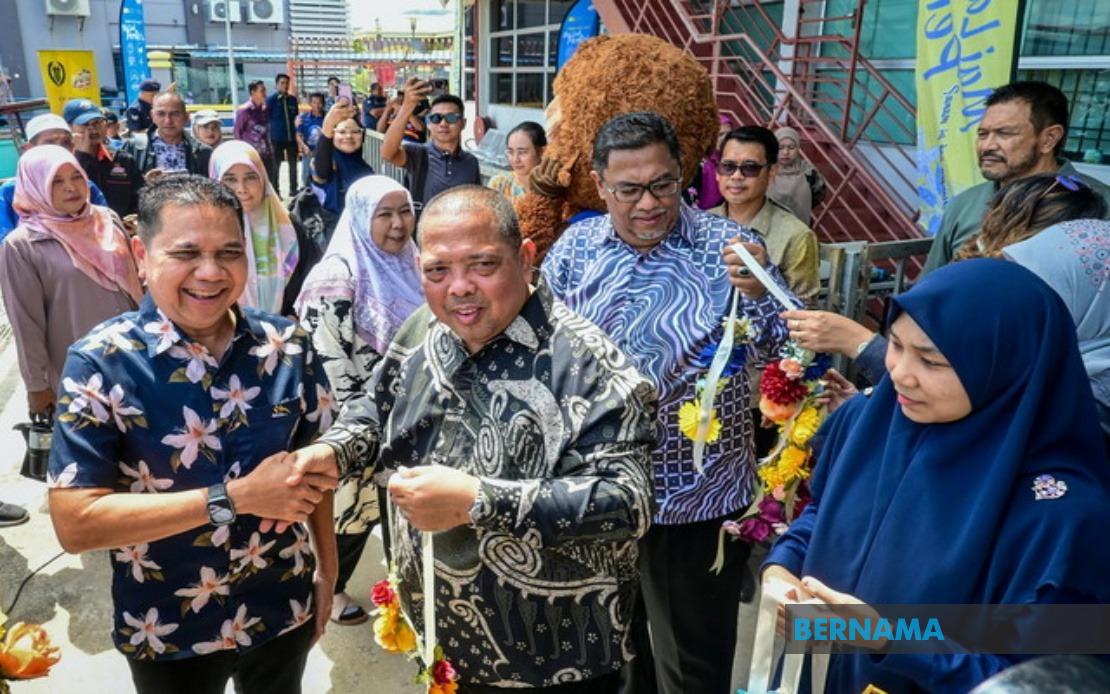
The Kuala Perlis-Satun ferry service has officially resumed operations, marking a significant milestone for Perlis tourism after more than three years of suspension due to the COVID-19 pandemic. Perlis Menteri Besar Abu Bakar Hamzah has expressed optimism that the reopened maritime route will propel the state towards attracting between 5.5 million and six million tourists throughout 2024, substantially contributing to Perlis's economic recovery and regional positioning as a cross-border destination.
The 40-minute journey between Kuala Perlis and the Thai province of Satun offers travellers a scenic alternative to land-based crossings, with coastal views serving as an additional draw for visitors seeking diverse travel experiences. Beyond leisure tourism, the ferry connection represents a practical solution for addressing congestion at the Padang Besar land border crossing, which has historically experienced significant bottlenecks during Malaysian public holidays and peak travel seasons. By providing an alternative sea route, authorities anticipate a more balanced distribution of cross-border traffic, reducing wait times and improving the overall travel experience for both tourists and residents.
The reopening carries broader implications for bilateral relations between Malaysia and Thailand. Abu Bakar emphasised during a welcoming ceremony at the Kuala Perlis Ferry Terminal that the service would strengthen economic and diplomatic ties between Perlis and Satun province, creating opportunities for cross-border commerce and people-to-people exchanges. The accessibility of Perlis's retail and commercial sectors to Thai shoppers represents a tangible economic benefit, as Satun residents will find convenient access to Malaysian products and services, potentially driving retail revenues and supporting local businesses dependent on regional consumer spending.
Beyond immediate tourism gains, the ferry resumption signals the beginning of a more ambitious infrastructure development agenda for the state. The Perlis government has committed to installing a floating pontoon at the Kuala Perlis Ferry Terminal to overcome persistent berthing challenges caused by tidal fluctuations and shallow waters that have historically complicated maritime operations in the area. This infrastructure enhancement reflects a long-term commitment to establishing Kuala Perlis as a reliable maritime hub and addressing technical barriers that might otherwise undermine the service's sustainability and operational efficiency.
Looking further ahead, state authorities are exploring the reactivation of the Kuala Perlis-Satun Roll-on/Roll-off service, which would enable vehicle transport across the strait and significantly expand the ferry's utility beyond passenger travel. This development would appeal to both individual motorists seeking to avoid lengthy border queues and businesses engaged in cross-border trade, potentially transforming the route into a multi-modal transport corridor. The Ro-Ro service would particularly benefit transport operators and logistics companies servicing the southern Thailand market, diversifying income streams beyond traditional tourism.
Most ambitiously, the state government is in advanced discussions with investors regarding a proposed RM500 million bridge project extending approximately two kilometres into the sea. This megastructure would permanently resolve navigation and berthing issues while establishing a permanent, all-weather link between Malaysia and Thailand. Such a bridge would represent transformative infrastructure for Perlis, elevating the state from a peripheral location into a strategic regional transportation nexus. However, such projects typically involve complex negotiations spanning environmental assessments, bilateral agreements, and funding arrangements, suggesting the bridge remains several years away from realisation.
The ferry service's resumption occurs within a broader Southeast Asian context of renewed cross-border connectivity. As countries recover from pandemic-related restrictions, maritime routes connecting Malaysia and Thailand represent part of a wider network revival aimed at restoring pre-pandemic mobility patterns and deepening regional integration. For Perlis specifically, which geographically occupies a unique position as Malaysia's northernmost peninsula state, maritime connectivity provides an alternative development pathway to traditional land-based routes, potentially reducing the state's historical economic dependence on a single border crossing.
Tourism industry analysts suggest that Perlis's optimistic visitor projections depend substantially on effective marketing of the ferry service throughout Thailand and leveraging the novelty of reopened cross-border connectivity. Competition from established Thai tourist destinations means that the state must actively differentiate itself and communicate the unique experiences available through the Kuala Perlis gateway. Thai tourists seeking alternatives to congested Padang Besar represent a target demographic, though capturing this market requires sustained promotional efforts and reliable service delivery that builds confidence in the route's safety and convenience.
The infrastructure investments outlined by Abu Bakar reflect recognition that tourism-driven development requires more than simply reopening existing routes. Quality berthing facilities, reliable scheduling, competitive pricing, and seamless customs procedures collectively determine whether the ferry becomes a preferred travel option or remains a niche service. The floating pontoon initiative and ongoing bridge discussions suggest that state planners understand these requirements and are committed to progressively upgrading Kuala Perlis's maritime infrastructure.
For Malaysian investors and regional businesses, the Kuala Perlis-Satun connection opens possibilities extending beyond tourism. The restored maritime link may catalyse trade-related activities, particularly in sectors where Thai consumers have significant purchasing power or where Malaysian businesses can efficiently serve the Satun market. Food and beverage, retail, and manufacturing sectors potentially benefit from improved supply chain efficiency and market access.
The ferry service's sustainability ultimately depends on maintaining strong demand from both Thai and Malaysian travellers. Economic conditions in both countries, currency exchange rates, and competitive offerings from alternative transport modes will influence ridership levels and revenue generation. The state government's commitment to infrastructure improvements suggests confidence in long-term viability, though market dynamics could alter projections in either direction.
As Perlis moves forward with its expanded maritime transport ambitions, the reopened ferry represents a pragmatic first step toward establishing the state as a genuine cross-border destination. Success in this initial phase will demonstrate feasibility to investors considering the larger infrastructure projects, potentially unlocking significant capital inflows and establishing Perlis as a gateway connecting Malaysia and Thailand's southern regions. Whether the state achieves its 5.5-6 million visitor target will become an important indicator of whether maritime connectivity can meaningfully reshape Perlis's tourism and economic trajectory.

