Kuala Lumpur City Hall (DBKL) has embarked on an ambitious administrative overhaul, implementing 16 separate governance and reform initiatives within the past half-year in response to a damning anti-corruption evaluation. The catalyst for this sweeping change came from an exceptionally poor performance in the Public Service Corruption Ranking under the 2025 Local Authority Star Rating System, where DBKL managed only 0.08 per cent out of a possible 5 per cent allocation—a result that exposed fundamental institutional weaknesses at Malaysia's premier metropolitan authority.
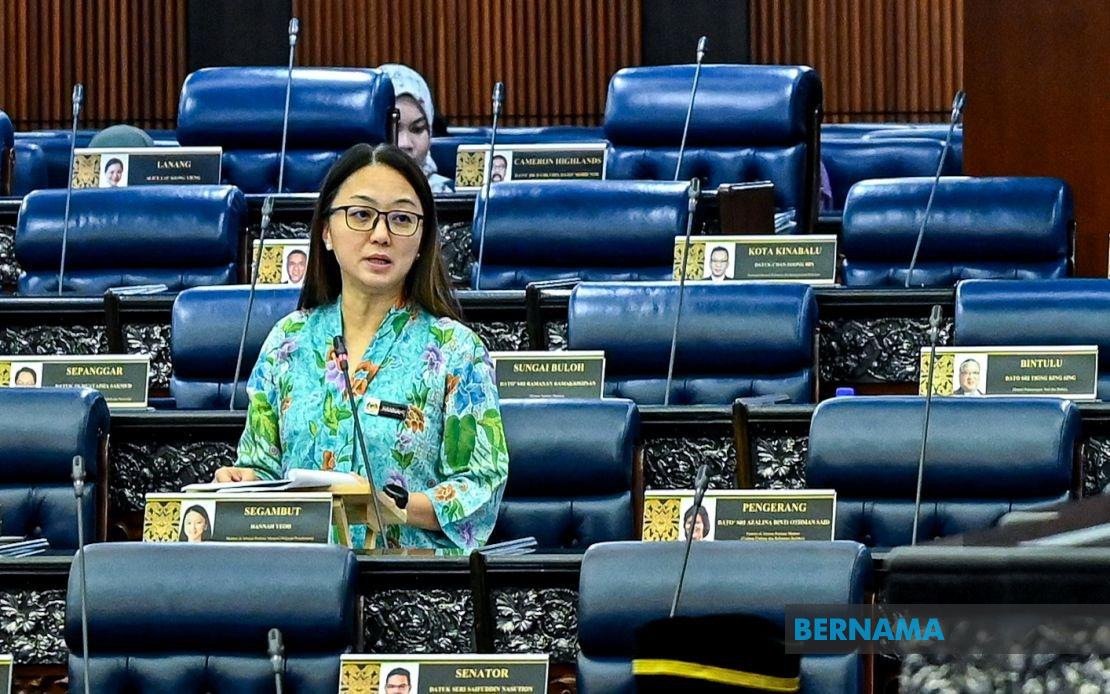
Minister in the Prime Minister's Department (Federal Territories) Hannah Yeoh disclosed the severity of the situation when she explained that the low score prompted urgent and decisive action. The gravity of the assessment triggered recognition within DBKL leadership that the organisation faced a credibility crisis requiring immediate institutional restructuring. This acknowledgement marked a significant turning point in how the city hall approached its internal systems and decision-making frameworks.
The pathway toward reform began with a detailed diagnostic process. An engagement session with Members of Parliament representing Federal Territory constituencies took place on March 2, during which the International Islamic University Malaysia (IIUM) conducted a comprehensive study. This investigation identified four cardinal recommendations aimed at strengthening DBKL across four critical dimensions: administration, governance, integrity, and service delivery mechanisms. The structured approach suggested that the problems were systemic rather than isolated, requiring coordinated solutions across multiple institutional domains.
At the foundation of these recommended changes lay five specific procedural weaknesses that the Malaysian Anti-Corruption Commission (MACC) had identified. These procedural gaps encompassed diverse operational areas, including the contentious management of a radio studio broadcast content production initiative, the allocation of stalls at Ramadan Bazaar sites—a politically sensitive matter affecting traders and communities—contract oversight for business licensing services, governance arrangements surrounding the Malaysian Statutory Bodies Association Sports Championship, and rental collection processes across DBKL's people's housing and public housing portfolios. Each of these operational areas had become a potential vector for corruption or mismanagement.
Among the most significant structural changes, DBKL dissolved the Special One Stop Centre (OSC) Committee entirely, recognising that its configuration had facilitated inappropriate political interference in development approval processes. This dissolution represented a decisive move toward separating political decision-making from administrative and technical assessment functions. Complementing this action, the city hall granted all Federal Territory MPs access to the OSC 3.0 Plus Portal, enabling parliamentary representatives to scrutinise development applications and provide input to the mayor before final approvals—a transparency measure that establishes a new accountability mechanism within the approvals process.
Financial controls received particular attention within the reform package. DBKL imposed a RM3,000 ceiling on the mayor's unilateral authority to approve contributions or expenditures, with any requests exceeding this threshold requiring collective approval from the Top Management Committee. This constraint fundamentally altered the concentration of financial discretion previously held by a single office-holder, directly addressing a common corruption vulnerability in local authority structures. The introduction of three new institutional bodies—the Audit Committee, the Governance and Integrity Committee, and the Mayor's Contributions Committee—constructed a multi-layered system of checks and balances designed to prevent conflicts of interest and distribute decision-making authority.
Crucially, DBKL restructured its audit function by removing the mayor from the Audit Committee chair position, ensuring that the oversight body maintained independence from executive pressure. Additionally, the city hall instituted mandatory job rotation for officers working in sensitive positions, recognising that prolonged tenure in high-risk roles creates corruption opportunities. Beginning in the fourth quarter of 2024, DBKL planned to introduce body-worn cameras in phased deployments, a measure that increases surveillance accountability and deters improper conduct among enforcement personnel.
Digitalisation emerged as a core strategy for reducing corruption vectors. By creating transparent, automated systems, DBKL sought to minimise human discretion in routine processes and leave auditable digital trails. As of July 2025, the city hall had operationalised 170 online application services, with targets to reach 180 end-to-end digital services by year's end. The ambitious 2030 vision commits DBKL to processing all applications through digital channels exclusively. This transformation fundamentally shifts the service delivery paradigm from paper-based, discretion-dependent processes toward impersonal, rule-governed digital workflows.
The e-Lesen licensing system exemplifies this digital transition's practical impact. By eliminating dependence on intermediaries—colloquially known as "runners"—who traditionally facilitated applications and created corruption opportunities, the system has become more transparent and efficient. Integration with the Departmental Enforcement System (SPJ) creates connected data systems that reduce administrative friction and enable better compliance monitoring. A new licensing renewal policy implemented from July 1 extended licence validity periods to three years, reducing the frequency of renewal interactions that previously created touchpoints for irregular payments or favourable treatment.
Hannah Yeoh emphasised that these reforms represent a fundamental philosophical shift within DBKL's institutional culture. Rather than concentrating decision-making authority around individuals—a structure that naturally creates corruption vulnerabilities—the reformed system emphasises collective deliberation, transparent procedures, and integrity-centred governance. This cultural reorientation acknowledges that corruption prevention requires not merely better rules but a different institutional mindset that prioritises procedural legitimacy and distributed accountability.
For Malaysian governance more broadly, DBKL's reform trajectory offers both cautionary and instructive lessons. The 0.08 per cent score revealed how even prominent institutions can accumulate systematic vulnerabilities, particularly when political and administrative functions blur. Conversely, the comprehensiveness of the remedial response demonstrates that genuine institutional reform—combining structural changes, technological innovation, cultural reorientation, and transparency mechanisms—remains achievable when leadership acknowledges problems and commits resources to solving them. As other local authorities and federal agencies face similar anti-corruption assessments, DBKL's experience provides a practical template for transforming governance performance through systematic, multi-dimensional intervention.

