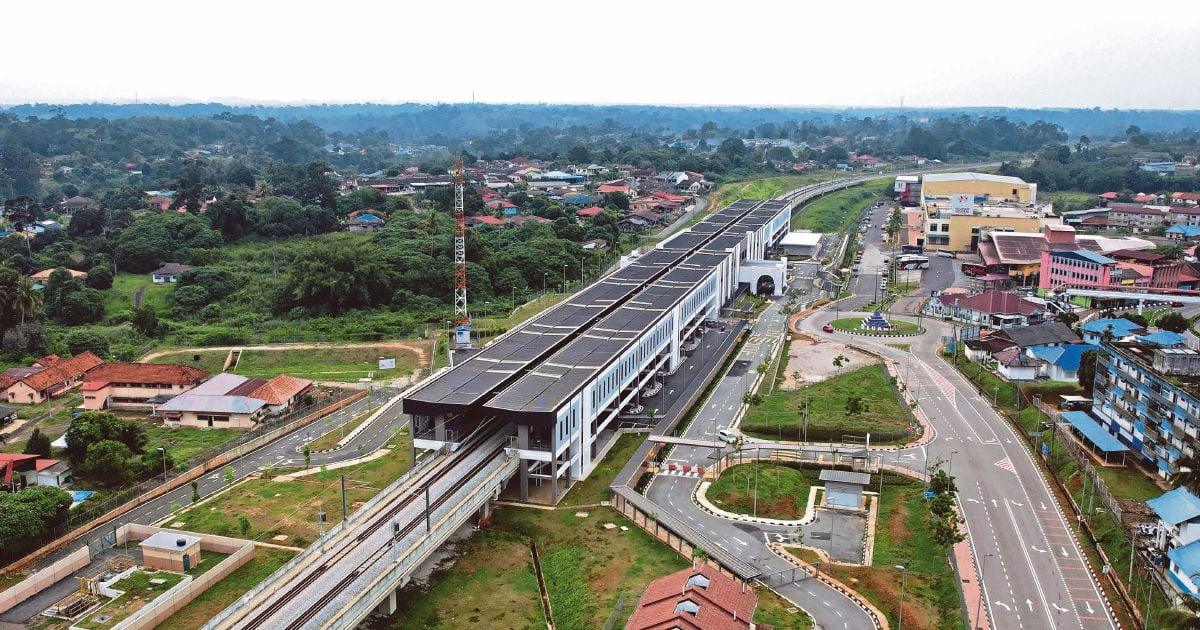
Malaysia's state railway operator, Keretapi Tanah Melayu Berhad (KTMB), has moved to ease voter transport challenges by deploying substantially more train capacity along its southern Electric Train Service corridor ahead of this weekend's Johor state election. The initiative reflects growing recognition among public infrastructure providers of the importance of facilitating electoral participation, particularly when transportation constraints might otherwise discourage voter turnout across the sprawling state.
The scale of the expansion is significant. By rolling out an additional 7,464 seats on the southern sector ETS, KTMB is effectively injecting meaningful extra capacity into a corridor that typically handles considerable commuter volumes. This decision signals the operator's understanding that election day presents a distinct demand pattern from ordinary weekdays, with voters potentially traveling from work locations or distant constituencies back to their registered polling stations. The southern ETS route, which links major urban centres with smaller towns and suburban areas in Johor, is a natural artery for such movement.
Particularly noteworthy is the complementary 20 percent fare reduction KTMB is offering to Johor voters. This financial incentive serves a dual purpose: it tangibly lowers barriers to electoral participation for those with tighter travel budgets, while simultaneously incentivizing rail usage over private vehicles. For many Malaysians, especially younger voters or those from lower-income households, this discount could represent the difference between affording a return journey and staying home. The reduction also aligns with broader national transport policy goals around encouraging public transit adoption.
The logistics underlying such an expansion merit consideration. Deploying an extra 7,464 seats does not occur through mere administrative decree; KTMB must have activated additional train sets, adjusted scheduling, coordinated platform allocations, and briefed staff on modified procedures. The operational complexity reflects institutional commitment to accommodating democratic participation, even when such efforts incur costs in fuel, maintenance, and labour. For a state-owned enterprise operating under performance-based metrics, this investment underscores perceived civic responsibility.
Johor's geography makes such measures particularly relevant. The state spans significant distances, from urban Johor Bahru through to smaller towns like Batu Pahat and Segamat. Voter concentration patterns mean many registered electors work in different towns than where they vote, or have relocated to Kuala Lumpur or other states for employment. Reliable, affordable rail transport directly addresses this geographic challenge. The ETS network's coverage of key corridors makes train travel often more practical than driving during peak periods.
Regionally, this initiative reflects evolving standards around democratic infrastructure. While some nations treat election logistics as purely a matter for electoral commissions, Malaysia's approach increasingly involves coordination across multiple agencies and public enterprises. KTMB's participation demonstrates how transport providers can embed themselves within broader electoral facilitation ecosystems. Such coordination tends to strengthen democratic institutions by removing practical obstacles to voting.
The timing proves instructive. Election weekend typically sees departures from normal ridership patterns, with the timing concentrating travel demand into specific hours. By prepositioned capacity, KTMB enables the system to absorb this surge without service degradation. Experience from previous elections likely informed these specific numbers and scheduling decisions, suggesting institutional learning translating into improved service delivery.
For Malaysian commuters more broadly, this serves as a reminder of public transport capacity constraints that normally exist. The need for such dramatic expansion highlights underlying capacity utilization rates on the southern ETS corridor during ordinary circumstances. Future policy considerations around transport infrastructure investment might well factor in such observations about how peak demand manifests.
The voter eligibility criteria for the discount remain important. Not every person boarding these trains will qualify—likely, KTMB requires some form of voter identification or documentation confirming registration in Johor constituencies. This verification mechanism adds procedural steps to ticket purchasing but maintains integrity around the incentive's purpose. Clear communication about eligibility prevents confusion and disappointment at ticket counters.
Stakeholders across Johor's political landscape will monitor whether such measures successfully boost turnout. Electoral participation rates reflect complex factors beyond transport accessibility—motivation, competing priorities, and confidence in electoral integrity all matter. Nonetheless, removing practical barriers to voting represents a defensible policy objective that election administrators and service providers increasingly embrace.
The broader implication extends beyond this single weekend. KTMB's demonstrated capacity to mobilize additional resources suggests that similar measures could feasibly apply to future elections across Malaysia, should political leadership determine such investments worthwhile. This weekend becomes something of a test case, with outcomes informing subsequent electoral support strategies.
For voters planning to travel by rail this weekend, the message is clear: enhanced capacity and reduced fares represent tangible benefits arising from participation in Malaysia's electoral system. Whether this translates to measurably higher turnout in Johor will become apparent once results are tallied—but the underlying commitment to removing transport-related barriers to voting signals institutional recognition that healthy democracies require more than just ballot boxes and polling stations.

