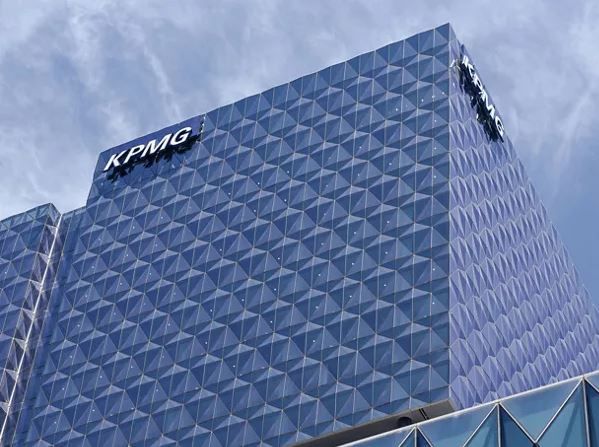
KPMG Australia's embattled leadership has installed Michael Ebeid as its first independent chairman, marking the latest governance overhaul at the consultancy giant. The move comes as the firm grapples with a widening audit leak scandal that has shaken confidence in Australia's professional services sector and drawn scrutiny from lawmakers and regulators. Yet the appointment has immediately become controversial, with critics arguing that Ebeid's existing ties to the firm and his previous statements about the scandal itself undermine the independence that should accompany such a role.
The timing of Ebeid's elevation reflects the severity of KPMG's current predicament. Just one week earlier, the firm announced that its chairman and two senior partners would depart as part of a broader restructuring aimed at rebuilding institutional credibility. The CEO had already resigned in May, followed by the audit boss. These departures represent an extraordinary level of leadership churn at one of Australia's largest professional services firms, signalling the depth of the reputational damage that has accumulated over recent months. Ebeid steps into a role tasked with overseeing fundamental governance and cultural reform at an organisation struggling to contain the fallout from serious allegations of misconduct.
The scandal at the heart of KPMG's troubles emerged publicly in March when Deborah O'Neill, a Labor senator, invoked parliamentary privilege to disclose claims from a whistleblower, identified as a former senior executive. The allegations centred on staff members allegedly misusing confidential information from real estate company Lendlease, specifically board papers that were used to strengthen the firm's competitive bids for significant audit contracts. This conduct strikes at the heart of professional ethics in the accounting sector, where client confidentiality is supposed to be inviolable. The revelation prompted immediate questions about how such a breach could occur within one of the Big Four accounting firms, and whether broader cultural problems had enabled such behaviour to persist.
Ebeid, who previously led public broadcaster SBS, has become progressively embedded within KPMG's structure in recent years. He was first appointed as an independent adviser to the firm's national board in 2024, and subsequently joined the Asia-Pacific board in 2025. He was among the current and former employees required to testify before the parliamentary committee investigating the scandal last month. This history of involvement with the firm during a period when the misconduct was occurring—or at least during the period when its consequences were becoming apparent—sits uncomfortably with the notion of independence that his new title suggests.
The controversy intensified dramatically when the parliamentary committee released internal email correspondence involving Ebeid. According to these communications, which emerged shortly after Ebeid's chairmanship was announced, he had criticised Senator O'Neill's decision to publicly raise the whistleblower allegations as "very inappropriate and unfair". More significantly, Ebeid disputed the accuracy of the senator's statements, asserting that many were "completely false", particularly regarding the timeline of events that the whistleblower had outlined. These emails provide a window into Ebeid's pre-existing views on the scandal and his sympathies within the dispute—potentially problematic for someone now tasked with leading an impartial governance review.
The parliamentary committee's decision to release the emails reflects lawmakers' assessment that the public has a legitimate interest in understanding Ebeid's perspective on these matters. Barbara Pocock, a Greens senator serving on the committee, has been particularly vocal in opposing the appointment. She characterised Ebeid's elevation as a "clear conflict of interest" that demonstrates the entrenched nature of KPMG's cultural failures. From Pocock's perspective, the appointment risks perpetuating rather than challenging the institutional attitudes that enabled the scandal to unfold. Her statement that the appointment "doesn't pass any ethics test" captures the sentiment among parliamentary critics that KPMG's board has made a strategic misstep that will only deepen public and political scepticism about the firm's commitment to genuine reform.
Ebeid's own public statements about his appointment strike an optimistic note. In his statement to media, he expressed his belief that KPMG can "recover, rebuild and emerge a better firm" despite the current challenges. He has outlined three priorities: strengthening independent oversight of the board, making integrity central to the firm's operations, and driving the cultural and governance transformations necessary to restore confidence. Additionally, he has committed to accelerating the process of appointing a new chief executive officer, with the board expecting to confirm a successor before the end of July. These commitments suggest an acknowledgement that dramatic change is required and an intention to move swiftly.
However, the substance of Ebeid's stated priorities will be tested against the very independence concerns that have surfaced since his appointment was announced. The question facing KPMG's stakeholders—clients, employees, regulators, and the broader public—is whether someone with his recent history of engagement with the firm can credibly lead an overhaul aimed at eradicating the cultural problems that enabled misconduct. The emails released by parliament suggest that Ebeid has already formed particular views about the accuracy of the whistleblower's account and the appropriateness of their disclosure. Whether he can set these views aside and lead an investigation sufficiently impartial to satisfy external observers remains uncertain.
KPMG's situation reflects broader concerns about accountability within Australia's accounting and audit sector. The firm has now launched a fourth investigation into the allegations, following three previous inquiries that failed to substantiate wrongdoing. The company has acknowledged that it mishandled the initial whistleblower complaint, suggesting systemic failures in the internal mechanisms designed to protect those who report misconduct. This pattern—of multiple investigations, institutional denial, and eventual admission of error—undermines confidence not just in KPMG but in the self-regulatory capacity of the sector more broadly.
The Australian Labor government has already signalled its response to the accumulating scandals affecting the Big Four accounting firms. A day after Ebeid's appointment was announced, the government indicated that it is considering breaking up these firms, fundamentally restructuring the sector to reduce conflicts of interest and prevent the concentration of power that may have enabled misconduct to persist. This threat to the business model of the Big Four suggests that KPMG and its competitors face not merely reputational consequences but potentially existential regulatory challenges. The appointment of Ebeid, while presented as a governance reform, occurs against a backdrop of political pressure that may force far more dramatic changes to how Australia's professional services sector is organised.
The credibility of Ebeid's chairmanship will ultimately depend on demonstrating that his previous statements and apparent sympathies do not constrain his willingness to pursue accountability where evidence warrants it. The parliamentary committee's decision to publicise his emails was itself a statement that his appointment warrants close scrutiny. For many observers, the fact that KPMG's board proceeded with the appointment despite the inevitable emergence of these communications suggests either confidence in Ebeid's ability to separate his prior views from his future responsibilities, or a concerning indifference to the appearance of impropriety. Either interpretation raises questions about whether the firm has truly grasped the scale of cultural change required to restore trust.

