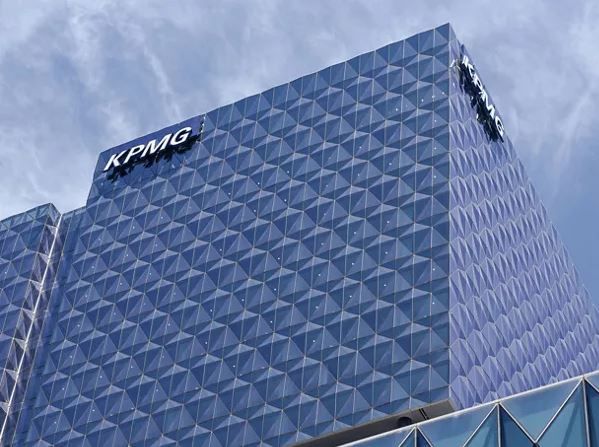
Professional services giant KPMG Australia has moved to discipline staff involved in a damaging audit scandal, imposing financial penalties and career restrictions on seven employees following an internal investigation that validated longstanding allegations of misconduct. The sanctions—reaching as high as A$180,000 (US$125,838) per individual—represent an escalation in consequences after months of public scrutiny and corporate fallout from revelations that firm personnel improperly leveraged confidential information to win lucrative client engagements.
The disciplinary action encompasses a graduated response proportionate to individual culpability, ranging from formal warnings to financial penalties, career restrictions and reduced performance ratings for those involved. The staggered nature of these consequences reflects KPMG's assessment of varying degrees of responsibility among the seven sanctioned staff members. Two of the disciplined individuals have already decided to step down from the organisation prior to formal penalty notification, effectively preempting what would likely have constituted termination or forced resignation.
The scandal erupted publicly in March when whistleblower disclosures revealed a systematic pattern of insider information exploitation, catalysing a broader institutional reckoning at KPMG Australia. The revelations triggered rapid management upheaval, including the forced departure of the firm's chief executive officer, its audit division leader and its chairman—a level of executive turnover that signals the severity with which major stakeholders viewed the governance failure. These high-profile resignations underscored the reputational damage inflicted on an institution that markets itself on client trust and professional integrity.
Central to the scandal was the appropriation of confidential board documentation from Lendlease, a major Australian real estate development company. Three senior audit partners were separately identified and fined by KPMG for their direct involvement in mishandling Lendlease's sensitive board papers. These partners represent the highest-ranking individuals charged in connection with the breach, distinguishing them from lower-tier staff also implicated in information-sharing protocols that violated client confidentiality.
The internal investigation substantiated what KPMG had previously been unable to confirm. An earlier probe into these same allegations produced inconclusive results, leading the firm to declare that wrongdoing could not be definitively established. The subsequent inquiry, however, gathered sufficient evidence to conclude that internal documents containing proprietary client information were inappropriately circulated between staff members in ways that circumvented established data protection procedures and contractual confidentiality obligations.
KPMG's formal statement acknowledged that the conduct contradicted the firm's stated values and explicit policies governing client information stewardship. The acknowledgement represents a tacit admission that institutional safeguards—whether through training, access controls, oversight mechanisms or cultural norms—failed to prevent motivated individuals from exploiting confidential materials for business development advantage. This systemic failure extends beyond individual wrongdoing to implicate the control environment that permitted such conduct to occur undetected initially.
The scandal has attracted regulatory attention beyond KPMG's internal disciplinary apparatus. Australia's corporate regulator, the Australian Securities and Investments Commission (ASIC), has launched its own investigation targeting three partners implicated in the scandal. ASIC has publicly identified two of these partners; both have already departed from KPMG and were among the three audit partners previously fined by the firm for the Lendlease breach. The regulator's investigation raises the prospect of additional legal or administrative consequences beyond internal firm sanctions, potentially including prohibition orders preventing individuals from practising in regulated audit roles.
For Malaysian and Southeast Asian corporate governance watchers, the KPMG Australia scandal carries instructive implications. It illustrates how even large, globally-recognised professional services firms operating under intense competitive pressure can develop environments where talented individuals rationalise conflicts between personal incentives and professional obligations. The incident also demonstrates that reputational damage from audit integrity breaches propagates rapidly across institutional hierarchies, ultimately displacing senior leadership despite their potential distance from operational misconduct.
The case underscores the importance of robust audit committee oversight and independent board scrutiny of audit firm selection processes, particularly when conflicts of interest might emerge. Malaysian corporations working with international auditors should ensure contractual arrangements explicitly detail information barriers and escalation protocols for suspected breaches. The fact that a major multinational firm's internal controls proved insufficient suggests that client-side vigilance remains indispensable, regardless of an auditor's brand reputation or size.
From a regional perspective, the KPMG Australia discipline action reflects intensifying regulatory expectations around professional conduct in audit markets. Malaysian and Singapore regulators increasingly emphasise audit quality and partner independence, and corporate scandals abroad often prompt domestic regulatory tightening. Companies and audit firms operating across the region should anticipate that audit integrity standards will continue hardening, making investment in compliance infrastructure and ethical culture not merely defensive but strategically necessary.
The staged implementation of KPMG Australia's sanctions, combined with regulatory investigation, suggests that resolution of this scandal remains incomplete. Additional partner departures, potential criminal referrals, or enforceable undertakings with ASIC could still emerge. For clients of KPMG and similar firms in the region, the scandal illustrates that even established institutional guardrails cannot fully eliminate agency risks—a sobering reminder that audit engagement governance requires sustained, active oversight rather than reliance on provider reputation alone.

