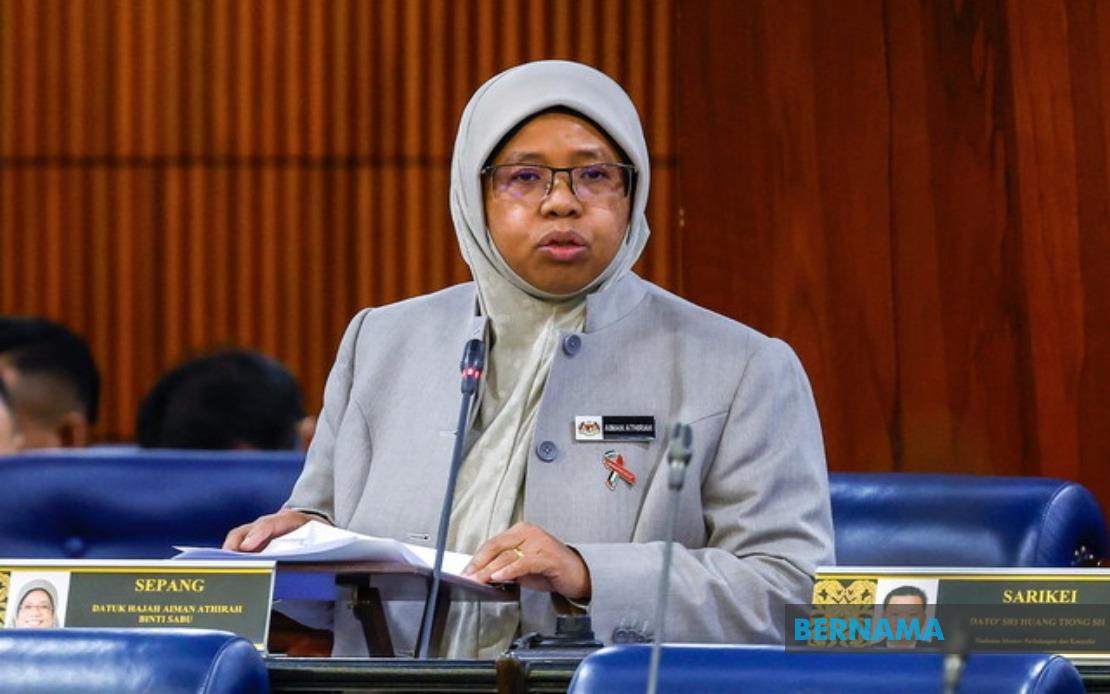
The Ministry of Housing and Local Government (KPKT) has given the go-ahead to 594 development projects targeted at Chinese new villages and Indian communities, representing a significant government commitment to marginalised settlements. The approval encompasses 573 initiatives in Chinese new villages alongside 21 undertakings in Indian villages, with combined expenditure reaching RM73 million for the current financial year. Deputy Minister Datuk Aiman Athirah Sabu disclosed the figures during parliamentary question time, outlining the scope and progress of these initiatives that aim to bridge infrastructure gaps and improve living standards in long-neglected communities.
The infrastructure development component forms the backbone of support for Chinese new villages, with 366 projects authorised under this category. Of these, approximately 148 have already reached completion while a further 218 remain at various stages of construction or implementation. This progression indicates steady momentum in physical development, though the substantial number of ongoing projects suggests that many communities continue to wait for completion of essential services and facilities. The infrastructure focus addresses historical deficits in roads, drainage systems, water supply, and other fundamental utilities that have plagued these villages for decades.
Beyond infrastructure, the government has activated two dedicated housing assistance programmes for Chinese new village residents. The Housing Repair Assistance Programme has received approval for 197 projects, with 47 already finished and 150 presently underway. This scheme targets the upgrading and maintenance of existing residential structures, a critical need given the age and condition of many homes in these settlements. Separately, the New Village Housing Construction Assistance Programme has been authorised for 10 projects, though none have commenced, suggesting that planning and coordination processes remain incomplete. These housing initiatives acknowledge the inadequacy of current dwellings and the need for structural improvements or new construction to meet basic living standards.
Indian villages, historically receiving considerably less developmental attention than their Chinese counterparts, are now beginning to benefit from dedicated allocations. The current round of approvals encompasses 21 projects spanning 18 villages across six states including Johor, Melaka, Selangor, Kuala Lumpur, Perak and Negeri Sembilan. These projects emphasise infrastructure development, public amenities and safety enhancements, with the total outlay standing at RM2 million. The progress breakdown reveals five completed projects, 13 under active construction, two in procurement stages, and one still in planning. This distribution demonstrates varied levels of advancement and the administrative complexity of rolling out coordinated development across multiple locations.
Longer-term government commitment to Chinese new villages has been substantial, with accumulated spending of RM328.9 million since 2023 through to last year, benefiting residents in 613 villages nationwide. This historical investment signals recognition of the communities' strategic importance and the scale of development requirements. However, the allocation suggests an average spend of approximately RM536,000 per village, which may prove insufficient for comprehensive modernisation of aging infrastructure and housing stock. The breadth of villages covered indicates a national approach rather than concentrated development in select areas, which may dilute the impact of individual projects.
The treatment of Indian villages represents a recent policy shift, with dedicated allocations only commencing in 2025. The government has earmarked RM15 million for these communities, a figure substantially lower in absolute terms than Chinese village allocations, yet significant given the historical neglect. This allocation is designed to benefit 22,144 recipients across 50 identified Indian villages through 87 distinct projects. The breakdown comprises RM10 million from KPKT's 2025 budget initiative incorporating 54 projects, supplemented by RM5 million channelled through the Indian Community Socioeconomic Development Programme under the Malaysian Indian Transformation Unit (MITRA). This dual-funding structure suggests coordination between multiple government agencies and a multifaceted approach to community development.
The parliamentary disclosure reflects growing political attention to these communities, which have historically occupied marginal positions in Malaysia's development narrative. Chinese new villages, established during the emergency period as a resettlement strategy, and Indian villages, rooted in rubber plantation settlements, have long suffered from inadequate infrastructure and limited economic opportunities. Both communities have experienced outmigration as younger residents seek opportunities in urban areas, potentially threatening the viability of these settlements. The government's willingness to publicly announce development commitments signals recognition of this vulnerability and an attempt to improve living conditions and arrest demographic decline.
For Malaysian policymakers and observers, these figures raise several considerations about development effectiveness and resource allocation. The time taken for projects to progress from approval to completion suggests potential bottlenecks in implementation, from obtaining necessary permits to securing competent contractors and managing community expectations. The distinction between projects approved and those actually commenced or completed underscores the gap between policy announcements and ground-level impact. Additionally, the differential treatment of Chinese versus Indian villages, while reflecting different population sizes, may warrant examination regarding equity and whether current allocations genuinely address the relative needs of each community.
The broader Southeast Asian context is relevant here, as Malaysia's approach to minority community development may offer lessons or contrasts with regional neighbours. Nations throughout the region face similar challenges of integrating marginalised ethnic or occupational communities into mainstream development frameworks while preserving cultural identity and social cohesion. Malaysia's structured approach, with dedicated ministries and programmatic frameworks, contrasts with less formal mechanisms elsewhere, though questions persist about programme efficacy and whether infrastructure provision adequately addresses systemic economic disadvantages.
Looking ahead, the sustainability and impact of these investments will depend on multiple factors beyond mere fund allocation. Ensuring that completed projects are properly maintained, that local communities participate meaningfully in planning, and that development catalyses broader economic improvements rather than simply providing cosmetic infrastructure upgrades will prove crucial. The involvement of MITRA in Indian village development and the existence of specific housing assistance programmes suggest multi-level strategic thinking, yet translating approval and funding into meaningful improvement in residents' lives remains the ultimate test of these initiatives.

