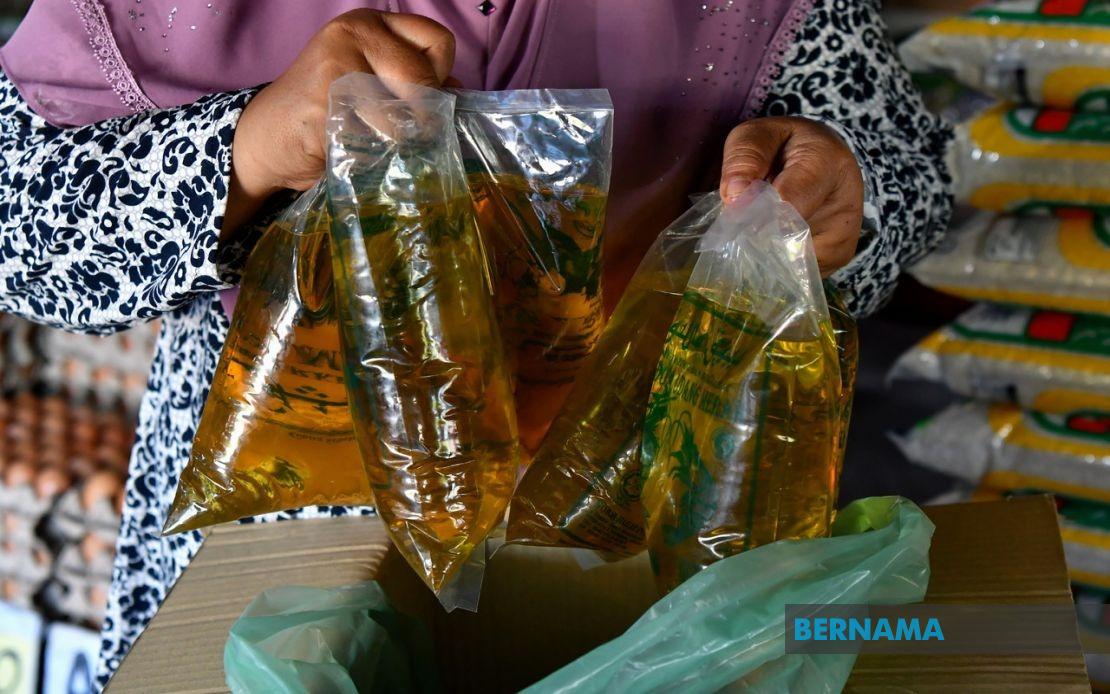
Malaysia's Domestic Trade and Cost of Living Ministry will examine recommendations from parliament's Public Accounts Committee aimed at overhauling the country's troubled cooking oil subsidy scheme, focusing on faster deployment of digital systems to plug persistent leakages and strengthen local industry participation.
Minister Datuk Armizan Mohd Ali confirmed the ministry's commitment to implementing PAC suggestions presented to the Dewan Rakyat on July 16, with particular emphasis on accelerating the rollout of the electronic Cooking Oil Stabilisation Scheme System, or eCOSS. The digital platform, initiated in 2023, represents a fundamental shift in how the government manages one of its most costly and leak-prone subsidy programmes, moving away from manual record-keeping that has historically enabled theft, diversion, and abuse.
The eCOSS initiative is progressing through two distinct implementation phases. The ministry is gradually introducing the system across the entire cooking oil supply chain—from refineries through repackers to retailers—while simultaneously expanding its reach through a mobile application that entered pilot testing in May 2025. This dual-track approach reflects the complexity of monitoring a system that touches thousands of businesses and millions of transactions monthly across Malaysia's archipelagic geography and diverse retail infrastructure.
A critical enhancement now under development involves integration with Malaysia's new national identity card, which will enable QR code-based verification at point of sale. This technological advancement addresses a persistent vulnerability in subsidy schemes across Southeast Asia: the inability to prevent foreign nationals from accessing subsidised goods intended for Malaysian citizens. By creating a biometric authentication layer, the system would theoretically eliminate discretionary judgment by retailers and shift verification to an automated, auditable process that generates digital records for oversight agencies.
The PAC report also highlighted concerns about market concentration in cooking oil refining, where foreign-owned companies have maintained dominant positions despite Malaysia's substantial domestic refining capacity. The ministry acknowledged that since the Cooking Oil Stabilisation Scheme's introduction, no formal refining quotas had been established, leaving supplier selection entirely to repackers based on commercial considerations such as logistics costs, credit availability, and geographic proximity. However, Armizan indicated that KPDN is now implementing phased interventions to encourage repackers to source from locally-owned refineries, including quota replacement requirements and business-matching mechanisms that would connect local refiners directly with repacking companies.
For Malaysian readers concerned about the structural efficiency of subsidy programmes, the PAC's focus on local refinery participation carries broader economic implications. A more competitive domestic refining sector could reduce the government's long-term subsidy burden while building industrial capacity that strengthens Malaysia's position in regional petrochemical markets. Conversely, the practical challenges of redirecting supply chains away from established relationships and international suppliers should not be underestimated, particularly if local refiners cannot match the service reliability or pricing competitiveness of incumbent players.
The ministry is also implementing additional safeguards designed to prevent subsidy diversion and misuse. The decision to prohibit sales of one-kilogramme cooking oil packets to non-citizens targets a known loophole whereby foreign workers have historically purchased subsidised oil in small quantities for personal consumption or informal resale. Integration of eCOSS with the Sumbangan Asas Rahmah assistance system—the government's targeted cash transfer programme—would create a more comprehensive verification framework and reduce the administrative burden of maintaining separate benefit systems.
Armizan emphasised that KPDN's review of PAC recommendations forms part of a comprehensive risk management strategy encompassing findings from internal departmental reviews and the National Audit Department's audit report released in July 2025. This layered approach suggests the ministry recognises that subsidy leakage involves systemic vulnerabilities rather than isolated incidents, requiring co-ordinated action across multiple oversight bodies and enforcement mechanisms.
The enforcement dimension remains crucial. The minister indicated that KPDN intends to pursue strict action against refinery operators, repackers, wholesalers, retailers, and other parties found to have violated subsidy programme rules. However, the historical pattern of subsidy scheme enforcement in Malaysia and across the region reveals the difficulty of maintaining consistent, rigorous penalties without generating accusations of political selectivity or harming small businesses operating on thin margins. Whether the ministry can sustain enforcement vigour once digital systems are operational—particularly during periods of subsidy cost pressures—will significantly determine the scheme's ultimate effectiveness.
The cooking oil subsidy programme represents a substantial fiscal commitment that has repeatedly drawn scrutiny from Malaysia's audit and accountability institutions. Annual subsidy costs have fluctuated with global crude oil prices and domestic consumption patterns, creating budgetary pressures that policy makers have struggled to manage without triggering public backlash over price increases. The eCOSS system and accompanying reforms signal a strategic shift toward cost containment through transparency and targeted delivery rather than further price increases, which remain politically unpopular among lower-income households heavily dependent on subsidised staples.
For Southeast Asian observers, Malaysia's experience with cooking oil subsidy leakages mirrors similar challenges across the region, where Indonesia, Thailand, and the Philippines have all grappled with subsidy diversion through informal markets and cross-border trade. The Malaysian approach combining digital verification, supply-chain restructuring, and enhanced enforcement could offer lessons—both positive and cautionary—for other governments wrestling with fiscally unsustainable but politically essential subsidy programmes.
The timeline for full eCOSS implementation and the effectiveness of quota-redistribution measures will become apparent over the coming months. Success would provide the Domestic Trade Ministry with evidence that digital governance solutions can meaningfully address a perennial policy challenge, while failure would reinforce scepticism about whether technological fixes can overcome the structural economic incentives that drive subsidy leakage in developing economies.

