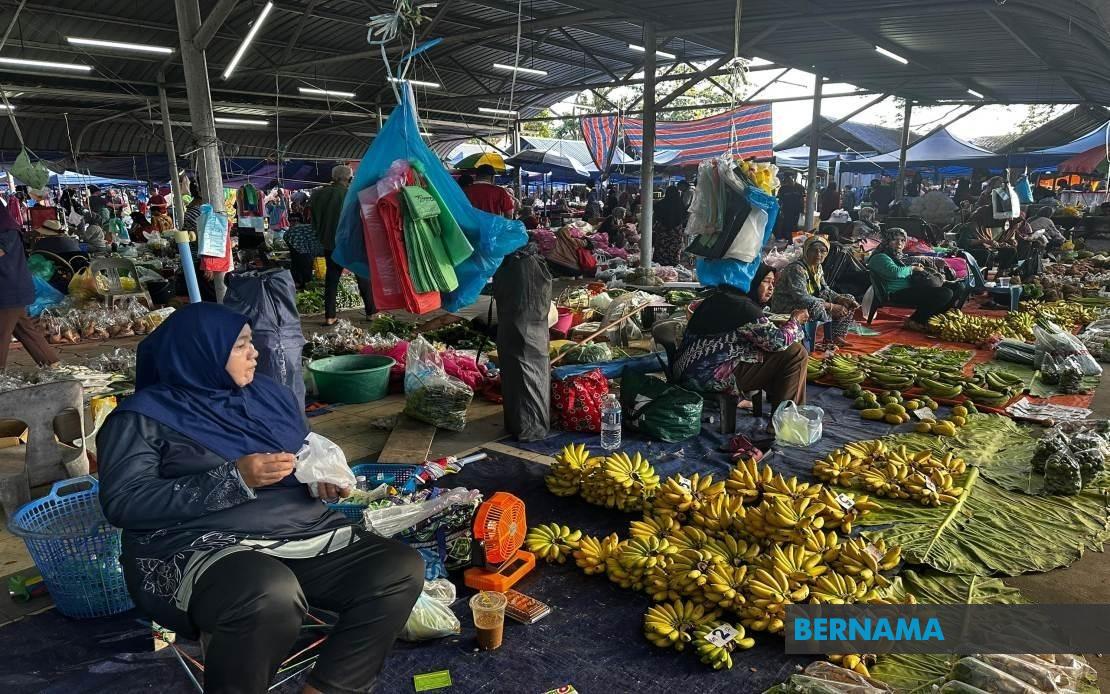
The prospect of securing UNESCO World Heritage Site status for Kota Belud Tamu faces a lengthy and demanding pathway, according to state officials who addressed lawmakers in the Sabah State Legislative Assembly. Assistant Minister of Tourism, Culture and Environment Dr Andi Md. Shamsureezal cautioned that the nomination process demands substantial groundwork before any formal application can proceed, underscoring the complexity involved in pursuing such international recognition for the traditional market.
The nomination requirements extend well beyond a simple application form. Dr Andi elaborated that the process necessitates comprehensive scholarly studies examining both the tangible elements—such as physical structures and archaeological features—and the intangible dimensions of Kota Belud Tamu's cultural significance. These investigations must be rigorous and methodical, conducted according to UNESCO's exacting standards and international best practices in heritage assessment. The preparation timeline could span several years, reflecting the thoroughness demanded by the international body.
Crucial to the nomination's success is the compilation of detailed heritage documentation. Researchers and heritage specialists would need to meticulously catalogue and analyse the market's historical structures, any archaeological remains present at the site, and the cultural practices that have defined the Tamu over time. This documentation must meet UNESCO's technical specifications and demonstrate clear links between the site's physical remains and its contemporary cultural significance, creating a comprehensive narrative of heritage value.
Perhaps most challenging is the requirement to demonstrate what UNESCO terms "Outstanding Universal Value" (OUV). This criterion goes beyond local or regional importance; the nomination must convincingly argue that Kota Belud Tamu possesses cultural, historical or scientific significance that transcends national boundaries and represents a contribution to humanity's common heritage. Supporting this claim requires robust historical evidence, scientific research and cultural analysis that withstand international expert scrutiny. The evidence must align precisely with UNESCO's established criteria for World Heritage Sites, which evaluate factors including cultural authenticity, integrity and representation of important cultural traditions.
Dr Andi's remarks responded to a question raised by Datuk Mohd Arsad Bistari, assemblywoman for the Tempasuk constituency representing Gerakan Rakyat Sabah (GRS), during the assembly sitting. The query reflected growing interest among state representatives in advancing international recognition for Sabah's cultural assets, particularly those reflecting the region's indigenous traditions and multicultural heritage. This governmental interest signals potential resource allocation toward the preparatory work needed for a future nomination.
While the World Heritage bid remains in preliminary stages, Kota Belud has already achieved a significant milestone through its inclusion in the Kinabalu UNESCO Global Geopark (KUGGp), which received official designation in May 2023. This recognition represents an important stepping stone, establishing the district's credentials within the UNESCO network and providing an institutional framework for heritage conservation efforts. The geopark status demonstrates that Sabah's natural and cultural landscapes already meet international recognition standards, though separate heritage categories entail distinct criteria and processes.
Sabah Parks, functioning as the lead agency for the Kinabalu geopark, has capitalised on this designation by developing the "Tamu Geopark" programme. This initiative strategically positions Kota Belud Tamu at the intersection of cultural preservation and sustainable tourism development. The programme creates platforms for displaying local gastronomy, traditional textiles and clothing, handicrafts, artistic expressions and cultural practices that might otherwise face declining transmission to younger generations. By framing these practices within the geopark context, the programme attracts tourists and researchers interested in both natural and cultural heritage.
Beyond cultural preservation, the Tamu Geopark initiative generates tangible economic benefits for Kota Belud's residents. Local artisans, food producers and craftspeople gain access to expanded markets as the programme enhances the district's tourism appeal. Community members participate directly in heritage promotion, transforming cultural continuity into livelihood opportunity. This economic dimension strengthens the case for international recognition, as UNESCO increasingly emphasises the linkage between heritage conservation and sustainable community development.
The distinction between geopark status and World Heritage Site designation remains important for understanding Sabah's heritage strategy. Geopark recognition focuses on geological and natural landscape values alongside cultural context. World Heritage Site status requires meeting stricter criteria centred on human cultural achievement, historical significance or rare natural phenomena. For Kota Belud Tamu specifically, a World Heritage bid would need to emphasise the market's cultural and historical importance rather than geological features, necessitating entirely different research and documentation frameworks.
The Malaysian context adds further complexity to UNESCO nomination efforts. As a Southeast Asian nation with diverse indigenous cultures and colonial heritage sites, Malaysia already maintains several UNESCO designations, including Georgetown in Penang and Melaka as World Heritage Sites, and several other properties across different UNESCO programmes. Learning from these precedents, Sabah can study successful nomination strategies and documentation approaches that have worked for comparable sites within the Malaysian context.
For stakeholders in Kota Belud and beyond, the government's candid assessment of nomination requirements offers both challenge and opportunity. The acknowledgment that substantial preparation work lies ahead suggests officials are approaching the matter seriously rather than pursuing it as merely aspirational. Mobilising research resources, engaging academic institutions, training heritage specialists and building community consensus around documentation efforts all represent necessary foundations. These investments would strengthen not only the eventual UNESCO bid but also deepen local understanding and appreciation of the Tamu's cultural significance.
The pathway forward likely involves establishing inter-agency coordination between Sabah Parks, tourism authorities, academic researchers and cultural heritage experts. Engaging the international UNESCO advisory bodies early could clarify specific documentation requirements and assessment criteria most relevant to Kota Belud Tamu's unique characteristics. Community participation remains essential, as local knowledge holders and Tamu stakeholders must contribute their understanding and validation of heritage narratives that external researchers compile. This collaborative approach transforms the nomination process itself into a vehicle for cultural affirmation and institutional strengthening.

