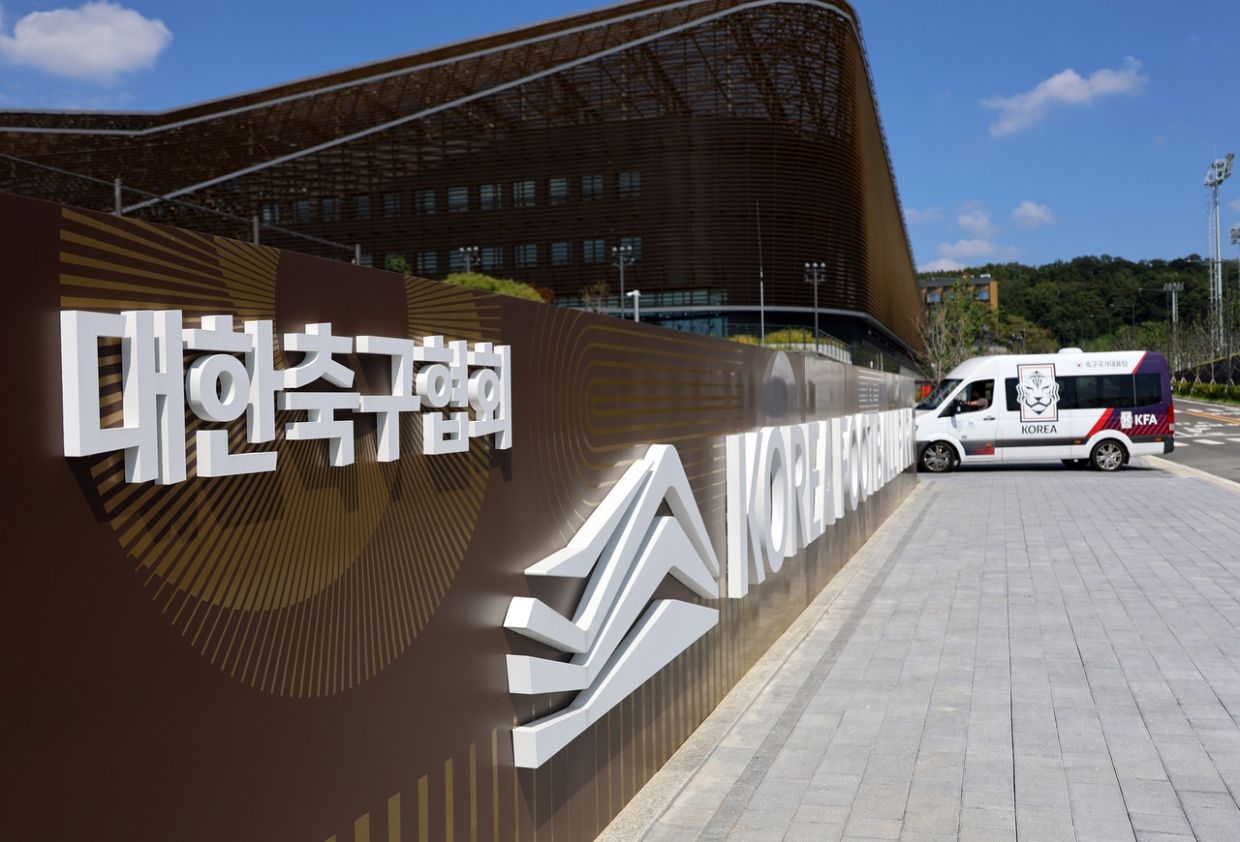
The Korea Football Association's deepening crisis over allegations of sexual bribery targeting foreign match officials has now transcended national boundaries, with Japan's football governing body launching its own inquiry into four Japanese referees believed to be among those implicated. The scandal, which prompted the KFA to issue a formal apology on Saturday, originated from a 2016 internal audit by South Korea's Ministry of Culture, Sports and Tourism that recently resurfaced through investigative journalism, creating a diplomatic headache for Korean football authorities and raising uncomfortable questions about the integrity of international competitive matches.
The Japan Football Association confirmed on Sunday that it is examining the conduct of the four referees and plans to make public the conclusions of its investigation once the process concludes. This decision reflects the seriousness with which Japanese football authorities view the allegations, particularly given that the conduct in question allegedly occurred during officially sanctioned international matches played on South Korean soil. The Japanese inquiry demonstrates how allegations of this magnitude cannot be contained within a single nation's sporting structure, instead demanding cross-border scrutiny and accountability mechanisms that transcend traditional jurisdictional boundaries in professional football.
According to the original audit findings now under intense scrutiny, South Korea's national football body allegedly misused corporate credit cards to fund entertainment at massage establishments for approximately ten foreign referees and match commissioners across seven separate matches played between March 2011 and March 2012. These seven matches comprised three World Cup and Olympic qualifying contests alongside four friendly internationals, all hosted within South Korea. The systematic nature of the alleged conduct—spanning multiple matches over a year-long period and involving numerous foreign officials—suggests a pattern rather than isolated incidents, a distinction that carries substantial implications for the credibility of those particular competitions.
The South Korean national team compiled an impressive record of five wins, two draws, and no defeats across these eight matches, a performance that has inevitably triggered speculation about whether outcomes were predetermined or unduly influenced by external inducements. However, officials from the Korean football association have categorically rejected such claims, maintaining that match results were determined purely by sporting merit. This defensive posture, while perhaps understandable given reputational concerns, nonetheless remains difficult to verify conclusively when the underlying conduct itself appears to have involved inappropriate influence attempts toward match officials.
The apology issued by the KFA came amid mounting institutional pressure from multiple quarters simultaneously. A parliamentary hearing had been convened to scrutinise the association's governance structures, whilst police officers had previously raided KFA offices in connection with a separate scandal involving the 2024 appointment of former national team coach Hong Myung-bo. In a statement released Saturday, the association acknowledged causing "deep disappointment and concern" through its various controversies, explicitly disavowed the past conduct, and committed to comprehensive institutional reforms designed to enhance transparency and restore public confidence in Korean football's administration.
Japanese news outlets and commentators have begun identifying specific referees connected to these allegations, including two individuals whose names have been publicly disclosed. One of these officials currently occupies a position of considerable authority within Japanese football—serving as a referee manager responsible for overseeing officials in the J-League, Japan's professional football championship. The other official previously directed a four-member, all-Japanese referee crew for South Korea's 2012 World Cup qualifier victory over Kuwait, a match specifically flagged in the audit as involving entertainment provisions for two referees. Nevertheless, some Japanese sports commentators have cautiously noted that officiating a particular match does not definitively establish that an individual referee personally received such entertainment.
The possibility of FIFA sanctions and international governance reforms was raised by International Business Times UK, yet analysis from football governance observers suggests that formal disciplinary action at the global level remains unlikely. FIFA's ethics code typically imposes a statute of limitations spanning five to ten years for most infractions, which would render this conduct—occurring in 2011-2012—temporally beyond reach for contemporary action. Moreover, the alleged misconduct does not fall within the narrower, unlimited-duration category reserved for sexual abuse or exploitation offences. Additionally, the majority of referees identified through these allegations have since retired from professional football, further complicating any potential enforcement mechanisms.
For Malaysian and Southeast Asian football stakeholders, this scandal carries broader implications regarding the governance and integrity safeguards within Asian football structures. The case demonstrates how institutional failures in one nation's football administration can create ripple effects throughout the regional and international football community, compromising the competitive authenticity that fan engagement ultimately depends upon. It underscores the vulnerability of match officials to improper inducements and the necessity for robust, transparent oversight mechanisms that prevent the instrumentalisation of referees for national sporting advantage.
A criminal investigation initiated within South Korea previously concluded without charges, with prosecutors determining insufficient evidence to sustain prosecution. This earlier closure of the domestic criminal process contrasts sharply with the current international attention, suggesting that threshold requirements for criminal prosecution differ substantially from those governing sporting integrity inquiries and institutional accountability measures. The divergence between criminal and administrative standards highlights the complex architecture of accountability in international sport, where sporting bodies may pursue governance reforms and institutional consequences even when criminal courts find prosecution unwarranted.
Looking ahead, the KFA's promised reforms will be scrutinised intensely by both the Japanese Football Association and international governing bodies to assess whether structural and procedural changes sufficiently address the systemic vulnerabilities that enabled this conduct to occur. The scandal serves as a cautionary reminder that football's international architecture, despite decades of institutionalisation and professionalisation, remains susceptible to corruption if vigilance and transparency mechanisms are allowed to atrophy. For regional football administrators and regional confederation officials overseeing Southeast Asian competitions, the Korean case illustrates the critical importance of proactive oversight, ethics training, and whistleblower protections as foundational elements of sporting governance.

