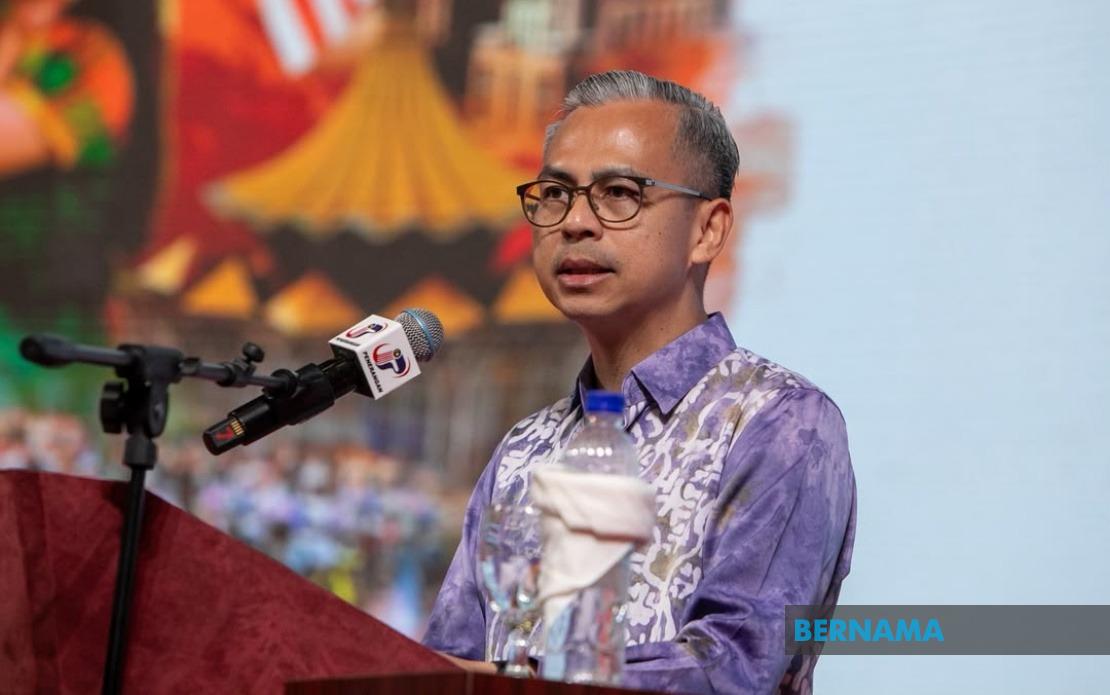
The Kembara Merdeka Jalur Gemilang (KMJG) convoy is set to maintain its role as a significant vehicle for fostering patriotic sentiment and strengthening national cohesion among Malaysians, Communications Minister Datuk Seri Fahmi Fadzil declared at a campaign launch in Ipoh on July 19. Speaking at the Sultan Azlan Shah Ministry of Health Training Institute in Tanjung Rambutan, Fahmi positioned the convoy initiative as a centrepiece of the upcoming 2026 National Month and Malaysia Day (HKHM) celebrations, which will operate under the overarching theme of 'Malaysia MADANI: Kesejahteraan Dinikmati' or 'Malaysia MADANI: Shared Prosperity'.
The announcement reflects the government's commitment to sustaining programmes that traditionally galvanise public participation around national commemorations. The KMJG convoy, which involves travelling exhibitions and promotional activities traversing the country, has historically served as a mobile platform for Malaysians to engage with national symbols and values. By maintaining this initiative despite acknowledged resource constraints, the government signals that patriotic mobilisation remains a policy priority even as fiscal conditions necessitate prudent spending.
Fahmi emphasised that despite the pragmatic approach to managing this year's celebrations within available budgetary parameters, the fundamental objectives of deepening public appreciation for the nation's independence struggle and rekindling patriotic fervour would not be compromised. This balancing act—maintaining symbolic and programmatic continuity whilst operating within tighter financial parameters—reflects broader governance challenges facing Southeast Asian nations attempting to preserve the scale and impact of national celebrations amid economic pressures.
Central to the 2026 campaign will be the intensification of the 'One House, One Jalur Gemilang' initiative, a grassroots flag-flying programme designed to encourage residential display of the national flag. Fahmi indicated that this effort would be significantly amplified, transforming domestic flag-flying from a voluntary practice into a more coordinated national endeavour. The symbolic import of this initiative extends beyond mere flag display; it represents an attempt to recalibrate the relationship between citizens and state symbols, framing flag-flying as a tangible expression of sovereignty consciousness and national pride rather than ceremonial obligation.
The campaign's emphasis on the Jalur Gemilang as a unifying symbol carries particular resonance in Malaysia's contemporary political landscape. Given persistent discussions around social cohesion and the complex relationship between Malaysia's diverse populations and shared national identity, mobilising the flag as a rallying point serves multiple governmental functions simultaneously: it provides a neutral, transcendent symbol that transcends factional political divisions whilst simultaneously reinforcing the state's authority over national symbolism and sentiment.
Prime Minister Datuk Seri Anwar Ibrahim's presence at the launch ceremony, alongside National Unity Minister Datuk Aaron Ago Dagang and Perak Menteri Besar Datuk Seri Saarani Mohamad, underscored the high-level political significance attached to the 2026 National Month preparations. The multi-ministerial attendance suggests that these celebrations are conceived not merely as routine commemorative exercises but as opportunities for demonstrating governmental effectiveness in promoting inclusive nationalism and social harmony across Malaysia's diverse landscape.
The positioning of these initiatives within the 'Malaysia MADANI' framework deserves careful examination. By tethering patriotic mobilisation to the shared prosperity agenda, the government attempts to create conceptual linkages between national sentiment and economic well-being. This framing suggests that patriotism and unity are not ends in themselves but rather instrumental vehicles for achieving broader developmental objectives. For Malaysian readers, this implies that the government views strengthened national consciousness and social cohesion as prerequisites for economic advancement and improved living standards.
Regionally, Malaysia's approach to national celebrations and patriotic programming offers a comparative perspective on how Southeast Asian democracies navigate the challenges of sustaining public enthusiasm for national commemorations. While some neighbouring nations have scaled back or reformed their national celebration programmes, Malaysia's commitment to maintaining and intensifying initiatives like the KMJG convoy reflects confidence in tradition-based identity politics as a stabilising force. This strategy, however, requires sustained political will and resources that may become increasingly constrained.
The emphasis on the One House, One Jalur Gemilang initiative particularly merits attention from Malaysian readers attentive to trends in civic participation and national consciousness. The programme's success will depend heavily on voluntary household engagement, making it a potential barometer of genuine public patriotic sentiment versus state-imposed symbolic compliance. Whether Malaysians embrace this initiative enthusiastically or respond with indifference may reveal underlying shifts in how Malaysians conceptualise their relationship with national symbols and collective identity.
Looking ahead to 2026, the government's strategic choices regarding patriotic programming will likely face scrutiny not merely for symbolic impact but for demonstrable outcomes. Can the KMJG convoy reach and meaningfully engage Malaysians across diverse urban and rural settings? Will intensified flag-flying campaigns translate into strengthened social cohesion or remain superficial displays? These practical questions will determine whether the 2026 celebrations achieve their stated objectives of fostering authentic patriotism and unity rather than manufacturing performative nationalism.
The resource constraints acknowledged by Fahmi present both challenges and opportunities. Limited budgets necessitate more creative, efficient programming that leverages community participation rather than relying solely on government-funded spectacle. This approach could potentially yield more meaningful engagement if executed thoughtfully, though it also risks disappointing public expectations if celebrations appear diminished compared to previous years. For Malaysians observing these developments, the balance between prudent fiscal management and maintaining celebratory impact will likely influence public reception of the 2026 National Month and Malaysia Day initiatives.

