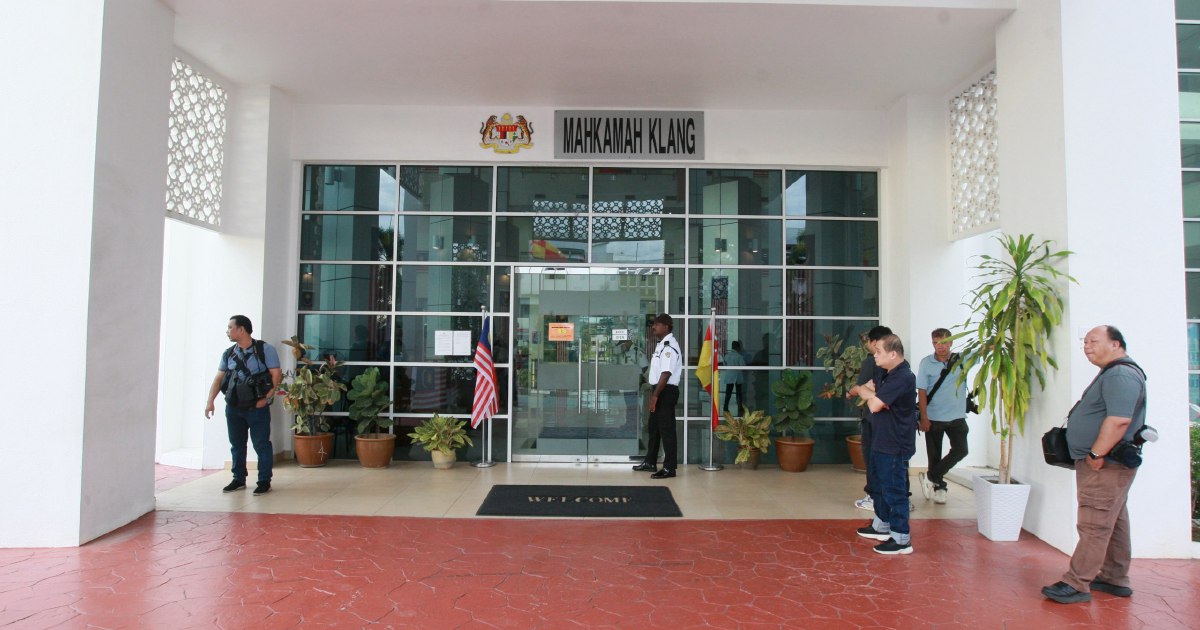
The atmosphere outside Klang Sessions Court remained subdued on the morning a 24-year-old suspect appeared to face charges related to the death of Rocky, a dog whose demise had captured significant public attention across Malaysia. Unlike some high-profile cases that draw crowds and media throngs to courthouse steps, the proceedings unfolded with minimal fanfare, suggesting either restricted access or comparatively lower foot traffic than anticipated.
Rocky's death had galvanised considerable discussion within Malaysian society regarding animal welfare standards and the treatment of pets. The case emerged as a flashpoint in ongoing debates about how the country addresses animal cruelty, particularly when victims belong to families with public profiles. The incident had resonated beyond simple pet ownership concerns, touching on broader questions of accountability and justice within Malaysia's legal framework.
The charged individual's appearance marked a formal escalation in what had been an emotionally charged situation for those following developments. At 24 years old, the suspect represents a younger demographic facing serious judicial proceedings, raising questions about culpability, intent, and the circumstances that led to Rocky's fatal injuries. The specifics of what transpired remain subject to judicial examination rather than public speculation, though the case had already generated substantial commentary across social media and traditional news outlets.
Malaysia's legal approach to animal-related offences sits within the Animal Welfare Act, a framework that has increasingly drawn scrutiny from animal rights advocates and concerned citizens. The charges against this individual would test how comprehensively the legislation applies to situations involving domestic animals and whether penalties adequately reflect public expectations for accountability. Such cases often highlight gaps between existing legal provisions and the moral convictions held by significant segments of Malaysian society.
The restraint observed outside the courtroom contrasted sharply with the emotional intensity surrounding Rocky's case in digital and broadcast media. This distinction between judicial decorum and public sentiment reflects how animal welfare matters occupy an evolving place within Malaysian discourse. Where previous generations might have treated such incidents as private family matters, contemporary attitudes increasingly position them as questions of societal values and institutional responsibility.
For the broader Southeast Asian region, Malaysia's handling of high-profile animal cruelty cases carries implications for regional standards around animal protection. The country's court system and legislative responses to such matters influence conversations in neighbouring jurisdictions contemplating their own animal welfare reforms. The visibility of this case, despite the calm exterior of the courthouse, demonstrates how individual incidents can shape regional dialogues about rights and protections for non-human creatures.
The involvement of the criminal justice system in what some might characterise as a private tragedy underscores shifting boundaries between personal conduct and public accountability. Courts increasingly function as venues where community values regarding animal treatment receive formal expression through legal proceedings. This case would contribute to an evolving jurisprudence around animal cruelty matters, potentially establishing precedents that influence how similar situations are handled and perceived going forward.
Rocky's case also reflects broader transformation in Malaysian pet ownership patterns and attitudes. Growing urbanisation and rising middle-class engagement with companion animals have normalised pet ownership across wider segments of society, fundamentally altering how animal-related incidents are received and interpreted. A dog's death that might have attracted minimal attention a generation ago now mobilises public concern and legal machinery, reflecting deeper cultural shifts.
The court's proceedings would unfold according to established procedures, with the suspect afforded legal protections while the state pursued its case. Beyond the immediate particulars of Rocky's death, the judicial process serves important functions in clarifying legal boundaries around animal treatment and reinforcing that consequences attach to causing animal suffering. Public interest in the outcome reflects recognition that how society treats its most vulnerable members—including animals—carries significance extending far beyond individual cases.
Looking forward, Rocky's case may catalyse further discussions about strengthening animal protection frameworks within Malaysia. Whether through legislative amendments, enhanced enforcement mechanisms, or cultural shifts in attitudes toward animal welfare, the case has already planted seeds for broader conversations. For Malaysian policymakers and civil society organisations focused on animal welfare, the proceedings offered an opportunity to advocate for more robust protections and clearer standards governing how animals should be treated within domestic and public contexts.
The quiet morning outside Klang Sessions Court thus concealed the significance of what was transpiring within—not merely an individual prosecution, but a moment in Malaysia's ongoing reckoning with how justice systems address the treatment of creatures dependent upon human care and restraint. The case would serve as reference point in future discussions about animal welfare reform, influencing how both the judiciary and broader society approached similar matters.

