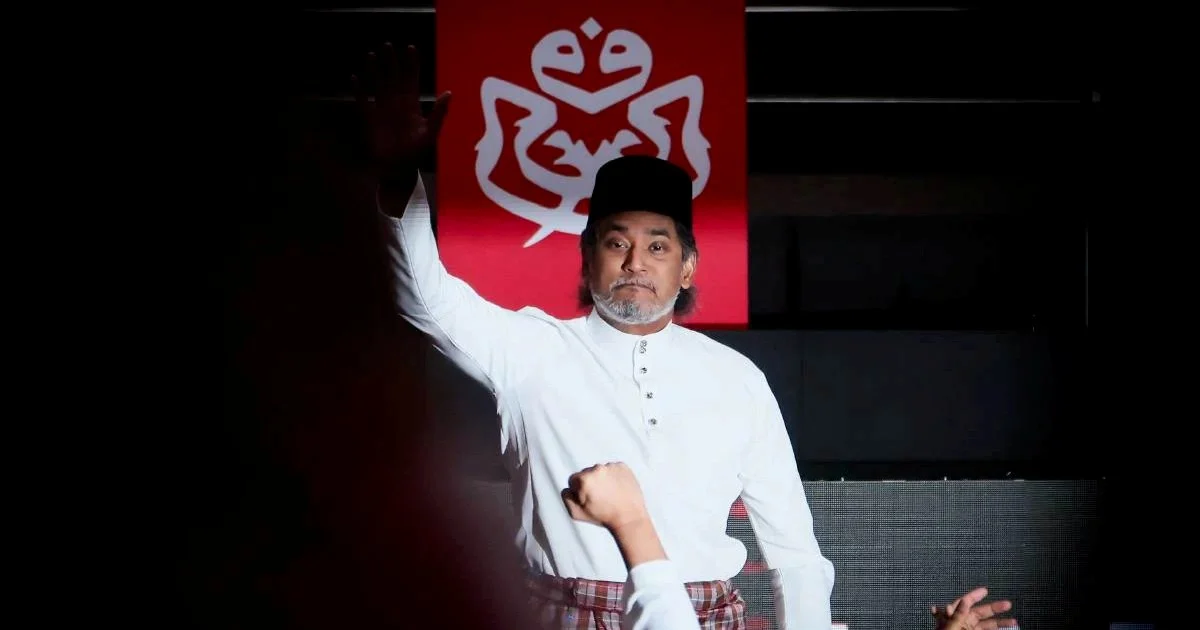
Khairy Jamaluddin, the former member of parliament for Rembau, has placed his potential candidacy in the upcoming Negri Sembilan state election firmly in the hands of Umno's top brass. The August 1 poll looms as a significant test for the party in one of Malaysia's traditionally competitive political battlegrounds, and the decision over where to field the prominent politician carries implications for internal party dynamics and electoral strategy.
The move reflects a careful political calculation by Khairy, who previously represented Rembau in the federal parliament with considerable influence within Umno circles. By deferring to senior party leadership, he effectively removes himself from the headlines while maintaining his position within the party structure. This approach allows Umno's decision-makers to weigh various strategic considerations without pressure from his explicit positioning.
Negri Sembilan has long been a closely contested state, with the balance of power shifting between competing coalitions in successive elections. The state's political landscape encompasses both urban and rural constituencies, each with distinct voting patterns and concerns. An election scheduled for August 1 suggests intensifying political activity in the state, with parties preparing their arsenals for a potentially decisive electoral contest.
Khairy's previous tenure as Rembau's representative gave him strong ground support in that federal constituency, which straddles multiple state seats within Negri Sembilan. His familiarity with the political terrain and established network of supporters would theoretically make him a valuable asset in state-level campaigning. However, the question of whether to deploy him in a state candidacy versus other roles remains a strategic decision that requires broader party consultation.
The timing of such decisions typically involves considerations beyond individual capability or willingness. Party leadership must assess seat allocation priorities, the strength of incumbent representatives, demographic shifts in constituencies, and the likely competitive intensity in various districts. A former federal MP like Khairy could strengthen a particular constituency's campaign machinery or might be deployed more effectively in a support role across multiple locations.
Umno's internal dynamics have evolved considerably following recent electoral cycles and coalition adjustments. The party has undertaken various restructuring efforts to enhance organisational effectiveness and rebuild support in key regions. How party leadership ultimately allocates prominent personalities like Khairy reflects these evolving strategic priorities and resource management approaches.
For Malaysian voters, particularly those in Negri Sembilan, such decisions carry real implications. The candidates fielded by major parties typically shape campaign narratives, policy emphasis, and the intensity of ground-level engagement. A figure with Khairy's profile and experience could meaningfully influence how Umno presents itself to the electorate and which constituencies receive concentrated campaigning effort.
The Negri Sembilan election also carries significance for broader national politics. State elections frequently serve as barometers of public sentiment and generate momentum that extends into subsequent federal contests. The performance of major coalitions in state polls influences their confidence heading into potential general elections and affects intra-coalition dynamics and partner relationships.
Khairy's decision to place the matter before party leadership also underscores the hierarchical nature of Malaysian political parties, where major strategic decisions typically flow from senior levels rather than individual politicians acting unilaterally. This reflects both party discipline and the recognition that electoral strategy requires coordinated, comprehensive planning rather than isolated individual positioning.
For Umno specifically, the manner in which the party deploys its experienced personnel in the Negri Sembilan election will signal its confidence in particular constituencies and its assessment of which races require the most formidable candidates. Leadership choices about candidate placement often reveal as much about party strategy as the official campaign messaging.
The August 1 election date itself indicates a compressed timeline for preparations and candidate selection. Political parties typically require sufficient notice to build campaign infrastructure, mobilise volunteer networks, and establish candidate profiles with voters. The decision on Khairy's involvement must therefore be resolved relatively promptly to allow adequate campaign execution regardless of the outcome.
Observers of Malaysian politics will monitor both the ultimate decision on Khairy's candidacy and the reasoning behind it. Such choices frequently offer insights into party leadership's assessment of current political positioning, perceived strengths in different regions, and the perceived value of particular political figures in the current electoral environment. The Negri Sembilan election, when it unfolds, will ultimately test whether the party's strategic deployment of candidates, including decisions around figures like Khairy, translate into electoral success.