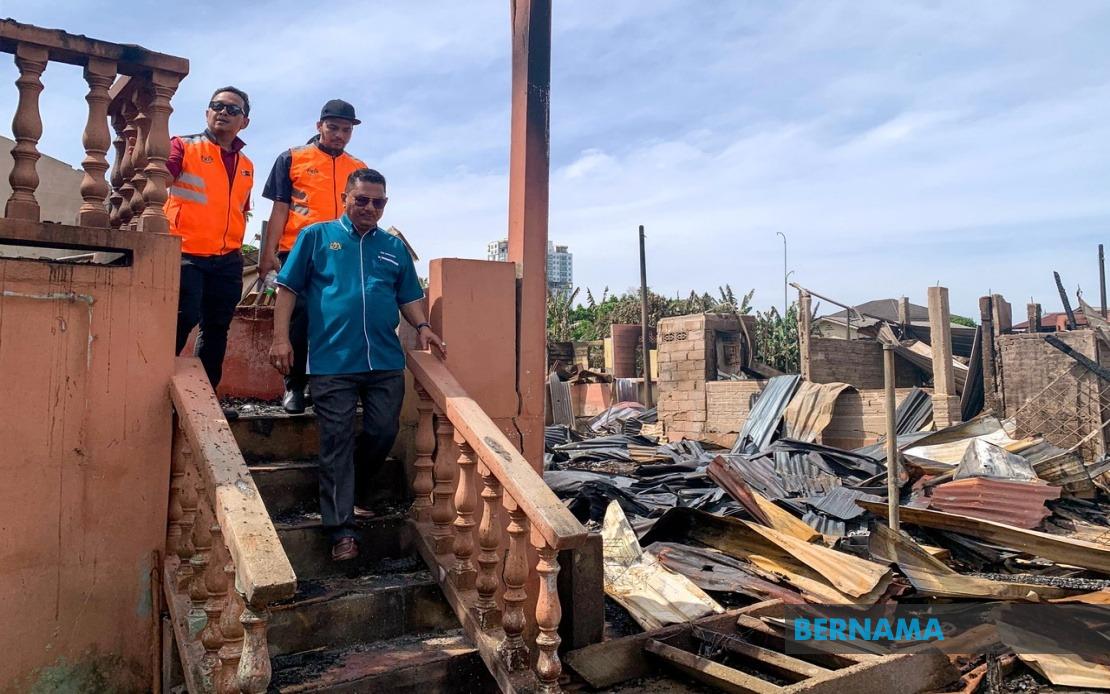
A major residential fire that devastated Kampung Gok Kapur in Kota Bharu on June 8 has been attributed to the careless burning of paper inside a kitchen, according to findings released by the Fire and Rescue Department. The incident, which left 110 villagers homeless and destroyed two dozen dwellings, stemmed from a preventable act of negligence involving an open flame source—specifically a gas lighter applied directly to combustible materials within an occupied residential structure.
Kelantan's JBPM director Farhan Sufyan Borhan explained that the department's Fire Investigation Forensic Unit conducted a thorough examination of physical evidence and gathered recorded statements from affected parties. The investigation conclusively determined that someone had deliberately ignited a pile of papers using a gas lighter while standing in the kitchen area of one of the homes. This deliberate action, carried out without proper precautions or awareness of the surrounding fire hazards, rapidly escalated into an uncontrollable blaze.
The mechanism of the disaster unfolded with tragic predictability once ignition occurred. The initial flames consumed the pile of papers, but the heat and expanding fire immediately spread to nearby flammable materials stored or present in the kitchen and adjacent areas. From this point of origin, the fire breached the structural boundaries of the first house and jumped to neighbouring properties, demonstrating how quickly residential fires can propagate in densely packed village settlements where homes share common walls or are situated in close proximity.
What makes this incident particularly significant for Malaysian fire safety discourse is the revelation that the underlying cause was human negligence rather than mechanical failure or accident. Farhan Sufyan Borhan emphasised that investigations conclusively established negligence during the burning activity itself—meaning the person involved either failed to anticipate the fire risk, did not have adequate safety measures in place, or disregarded known dangers. This distinction is crucial because negligence-caused fires are fundamentally preventable through education, awareness, and adherence to basic safety practices.
The decision to burn papers inside a residential kitchen represents a fundamental misunderstanding of fire safety principles. Most modern building codes and fire safety guidelines strictly prohibit burning activities in enclosed spaces, particularly in kitchens where gas appliances, cooking oils, and other flammable substances are already present. The choice to use an open flame source rather than a controlled disposal method or outdoor burning area compounds the risk exponentially. For Malaysian residents, particularly in rural areas where waste disposal facilities may be limited, such practices remain unfortunately common despite their obvious dangers.
The consequences extended far beyond the immediate structural damage. The blaze rendered 110 people homeless, forcing them to relocate to emergency shelter at Mukim Banggol Mosque. This displacement disrupted livelihoods, separated families, and created immediate hardship for vulnerable populations. While authorities commendably ensured no fatalities occurred, the social and economic toll on the community remains substantial. Recovery from such an event requires not only rebuilding homes but also restoring community infrastructure, livelihood capacity, and psychological well-being.
The JBPM's investigation report will now be forwarded to police and relevant authorities for potential further action. This procedural step raises questions about legal accountability and whether criminal negligence charges might be pursued. The transition from fire investigation to police involvement signals official recognition that culpability extends beyond mere accident into the realm of prosecutable negligence. Such legal consequences, when they materialise, can serve as powerful deterrents for similar behaviour within communities.
Beyond the immediate incident, Farhan Sufyan Borhan used the opportunity to issue broader public guidance about fire risk management in residential settings. His advisory specifically highlighted the dangers of open flame sources and cautioned against conducting burning activities either inside homes or in proximity to residential areas. This messaging reflects a critical gap in Malaysian fire safety culture—many residents remain unaware of how rapidly household fires can spread or underestimate the severity of consequences stemming from seemingly minor negligence.
The Kampung Gok Kapur incident provides a case study in how localised negligence can rapidly scale into community-wide disaster. The dense settlement pattern typical of Malaysian villages, combined with traditional construction materials and limited fire safety infrastructure in some areas, creates conditions where a single act of carelessness can destroy dozens of homes. Addressing this vulnerability requires not only incident-specific investigations but also systemic improvements in public fire safety education, building code enforcement, and community awareness campaigns.
For Malaysian policymakers and fire safety officials, this event underscores the importance of targeted prevention messaging directed at rural communities. Educational campaigns should emphasise proper waste disposal methods, the absolute prohibition of indoor burning activities, and the critical importance of functioning smoke detectors and escape routes. Such initiatives, supported by grassroots engagement and cultural sensitivity to traditional practices, could significantly reduce negligence-related fire incidents across the country.
The lack of casualties in this incident, while fortunate, should not overshadow the severity of the destruction and displacement. The 27 destroyed homes represent accumulated family wealth, possessions, and memories lost in minutes. The investigation's clear identification of negligence as the cause should galvanise both individual residents and authorities toward prevention-focused strategies rather than waiting for subsequent incidents to occur.