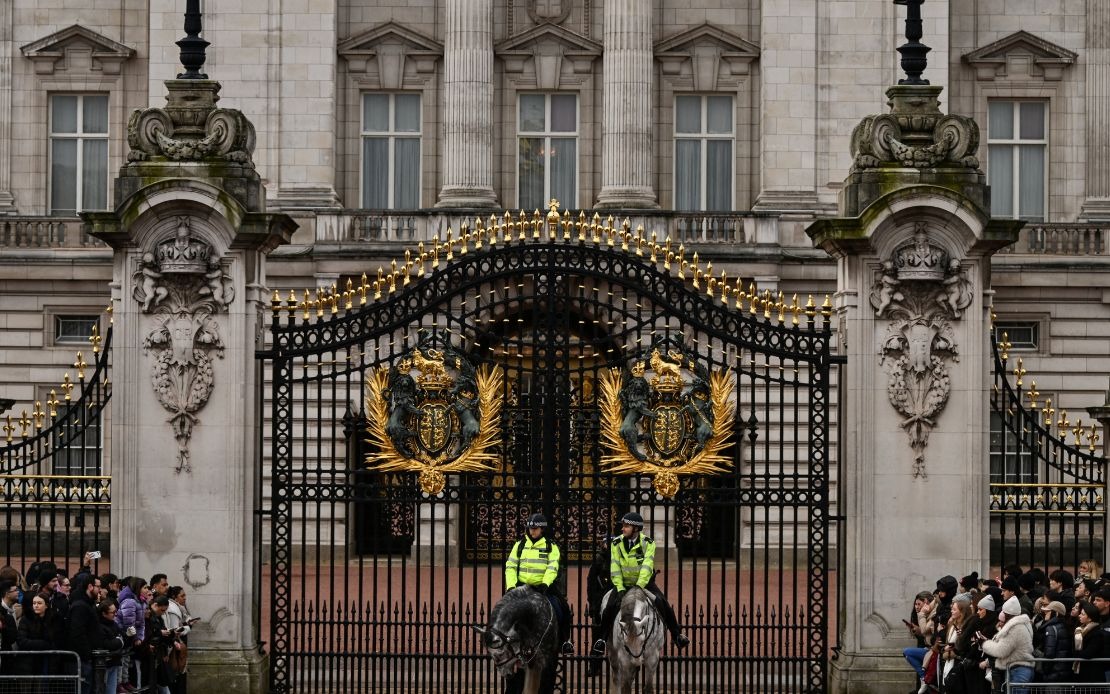
The British Royal Household has clarified its intentions for Buckingham Palace following the completion of extensive renovations, confirming that King Charles III and Queen Camilla will retain the iconic London residence as the centrepiece of official royal business rather than converting it into their personal home. The announcement, made through a statement on royal finances released on Thursday, provides clarity on how the monarchy plans to utilise one of the world's most recognisable buildings once its decade-long restoration programme concludes.
The decision underscores a strategic vision for Buckingham Palace that balances heritage preservation with modern accessibility and public engagement. Rather than functioning primarily as a royal residence, the palace will evolve into a multifaceted institution serving ceremonial purposes, hosting state receptions, and remaining the operational headquarters of the Royal Household. This approach reflects contemporary thinking about royal properties and their role in a modern constitutional monarchy, particularly as public institutions face increasing scrutiny regarding their relevance and community benefit.
The comprehensive refurbishment initiative, known as the Buckingham Palace Reservicing Programme, is nearing completion after nine years of work. The project addresses the palace's aging infrastructure, including outdated heating systems, electrical wiring, and structural elements that had deteriorated over decades. By undertaking this restoration now, the Royal Household aims to ensure the building's longevity and capability to serve institutional functions for generations to come, avoiding the need for more disruptive interventions in the future.
The statement emphasises that Buckingham Palace will strengthen its position as a genuine national heritage asset with expanded opportunities for public visitation and engagement. This commitment reflects broader trends across European monarchies, where palaces increasingly function as cultural institutions and tourist attractions rather than purely private domains. For Malaysia, where the institution of monarchy holds constitutional significance, this approach offers an interesting comparative model for how traditional royal residences might balance preservation, public access, and contemporary expectations.
Financial figures released alongside the announcement highlight the substantial investment required to maintain royal palaces and support the Crown's official functions. The Sovereign Grant, which represents public funding dedicated to supporting the monarch's duties and preserving occupied royal residences, reached £132.1 million in the 2025-2026 financial year. Of this total, £67.5 million was specifically allocated to the conservation and protection of royal palaces that remain in active use, demonstrating the considerable resources required to sustain these historic institutions.
During the 2025-2026 financial year, the royal palaces collectively hosted 827 events attended by nearly 97,000 guests, illustrating the significant role these venues play in state business, diplomatic functions, and public engagement. This activity underscores why Buckingham Palace's ceremonial function remains essential to the monarchy's constitutional role. The palace serves not merely as a symbol but as an active workplace where official ceremonies are conducted, visiting dignitaries received, and the business of monarchy transacted.
The decision to exclude Buckingham Palace from private residential use reflects practical considerations as well as symbolic ones. The modern royal family's lifestyle has evolved considerably, with senior royals maintaining multiple residences tailored to their specific needs and preferences. Devoting Buckingham Palace exclusively to ceremonial and official functions allows for more efficient use of the building's vast spaces while maximising its availability for state business and public engagement.
This strategic repositioning also demonstrates sensitivity to public perception and fiscal responsibility. In an era of heightened awareness around government spending, particularly following economic challenges, maintaining a transparent approach to how royal institutions utilise public resources and historical assets carries considerable importance. By explicitly committing to enhanced public access and national heritage status, the Royal Household addresses potential criticism regarding exclusivity while reinforcing the palace's relevance to broader British society.
The completion of the Buckingham Palace Reservicing Programme will mark a significant milestone in the monarchy's modernisation efforts. Once finished, the palace will boast contemporary infrastructure supporting its expanded role while retaining the historical character and architectural significance that have defined it for nearly two centuries. This balancing act—preserving heritage while embracing functional evolution—represents a sophisticated approach to managing traditional institutions within contemporary contexts.
For regional observers, the British monarchy's approach to Buckingham Palace offers lessons in institutional adaptation. As Southeast Asian nations and their royal families navigate similar questions about heritage preservation, public access, and the role of traditional symbols in modern governance, the British example demonstrates that these objectives need not be mutually exclusive. The commitment to maintaining Buckingham Palace as a working ceremonial centre while substantially increasing public engagement suggests that historic royal palaces can serve multiple constituencies simultaneously.
The Royal Household's vision for post-refurbishment Buckingham Palace ultimately reflects a considered philosophy about the monarchy's place in contemporary British society. By positioning the palace as a national heritage institution and principal workplace rather than private royal residence, the institution acknowledges evolving expectations regarding public resources, transparency, and the accessibility of historical landmarks. This approach may well influence how other Commonwealth nations, including Malaysia, contemplate the evolving functions and public roles of their own royal palaces and institutions.

