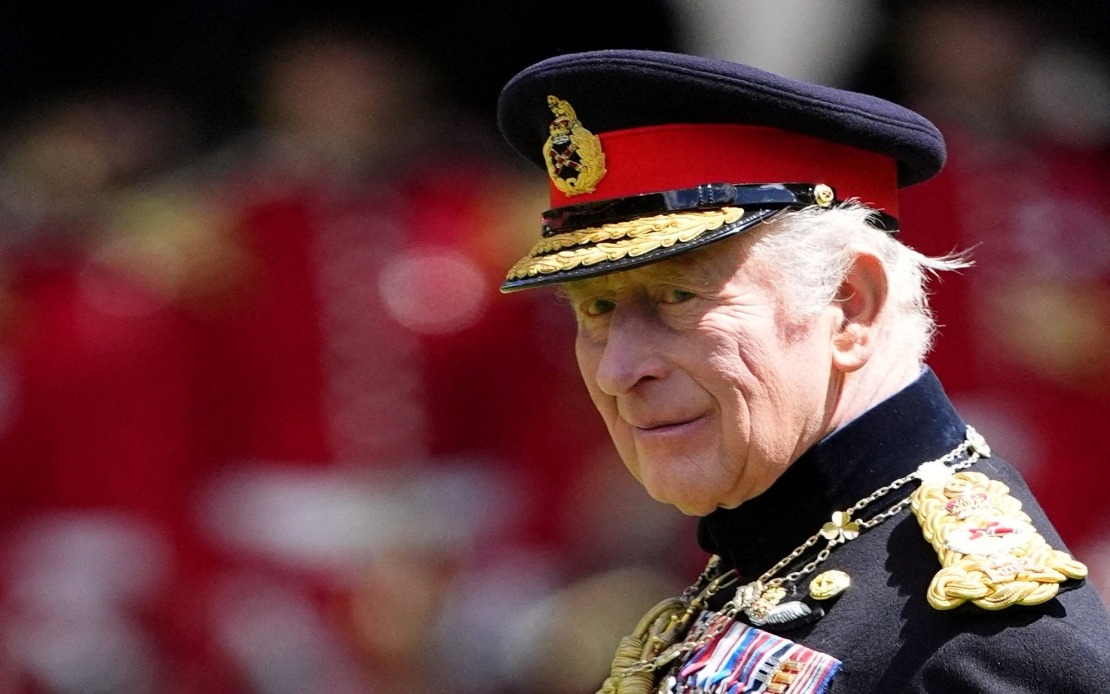
King Charles III has marked a significant departure from centuries of royal convention by becoming the first British sovereign to disclose his personal income tax payments to the public. Buckingham Palace announced on Thursday that the king paid £12.9 million—approximately US$17 million—in personal taxes during the 2024-2025 tax year, a milestone in the transparency of royal finances that reflects evolving expectations for institutional accountability in the modern era.
The disclosure represents a substantial step toward openness about how the monarchy manages its finances. James Chalmers, the keeper of the Privy Purse, described the move as part of a broader effort to demystify royal finances while maintaining the independence and long-term interests that allow the monarchy to serve effectively. The palace released the figures alongside comprehensive documentation detailing the various sources of royal income, signalling an institutional commitment to addressing public curiosity and scrutiny around how the crown sustains itself financially.
The previous tax year saw the king contribute £11.7 million to the public treasury, meaning his total personal tax payments since ascending to the throne in September 2022 have exceeded £30 million. This substantial financial contribution illustrates the scale of the king's personal wealth and the commitment he has made to voluntarily participating in the tax system despite holding legal exemption from such obligations.
Under British law, the reigning monarch enjoys exemption from income tax, capital gains tax, and inheritance tax—an arrangement rooted in centuries of constitutional tradition. However, since the 1990s, successive monarchs have voluntarily submitted to income and capital gains taxation, establishing a precedent that reflected changing public attitudes toward fairness and equal treatment under the law. This voluntary compliance, while not legally mandated, has become an important indicator of the monarchy's willingness to operate within broader societal expectations regarding financial responsibility.
Charles himself pioneered the disclosure of royal tax payments when he held the title of Prince of Wales, establishing a personal practice of transparency that he has now extended to his role as sovereign. The elevation of this practice from the office of heir apparent to that of the reigning monarch marks a cultural shift within the Royal Household, suggesting that future monarchs may face continued expectations to maintain such openness. His willingness to continue and expand this transparency demonstrates responsiveness to contemporary demands for institutional accountability.
The king's personal income derives from multiple sources including investments held in his own name and the privately owned estates of Balmoral in Scotland and Sandringham in Norfolk. These assets generate revenue that covers his private expenses distinct from the publicly funded costs of maintaining the institution of the monarchy. The distinction between the sovereign's personal finances and state-funded royal operations remains an important feature of how the British monarchy operates, though the complexity of these arrangements has historically prompted public confusion and debate.
For Malaysian readers observing Commonwealth affairs, this development carries particular relevance given Malaysia's own constitutional monarchy and the Crown's symbolic importance to the nation. The willingness of King Charles III to embrace financial transparency offers lessons regarding how modern monarchies can balance tradition with contemporary governance standards. Several Commonwealth realms, including Malaysia, have grappled with similar questions about the appropriate level of transparency surrounding royal finances, making the British precedent potentially influential across the Crown's dominions.
The timing of this disclosure also reflects broader global trends toward institutional transparency and calls for greater accountability from wealthy individuals and organizations. In an era marked by increased scrutiny of the ultra-wealthy and persistent questions about tax equity, the voluntary participation of the monarch in the tax system carries symbolic weight beyond its literal financial significance. By making his tax contributions public, King Charles III addresses perceptions that the wealthy operate within systems that insulate them from ordinary fiscal obligations.
Buckingham Palace's framing of the disclosure emphasizes that the underlying system of royal finances, while potentially appearing complex on the surface, operates according to clearly established legal principles that have evolved over time. This messaging suggests an institutional recognition that public confidence in the monarchy depends partly on demonstrating that financial arrangements are not arbitrary but rather structured according to consistent rules. The keeper of the Privy Purse's statement reflects an understanding that transparency itself can serve as a mechanism for building institutional legitimacy.
The disclosure carries implications for debates about royal funding more broadly. As republican movements and reform advocates continue to scrutinize how taxpayer resources support the monarchy, the voluntary tax contributions become relevant evidence in discussions about whether the current system represents an equitable arrangement. While the king's personal taxes represent his individual financial contribution rather than addressing the broader question of state expenditure on royal operations, the figure demonstrates personal financial commitment to public coffers.
Future developments will likely test whether this precedent becomes institutionalized or remains a personal choice of the current monarch. The Royal Household's efforts to improve transparency by publishing information about tax payments could establish expectations that subsequent sovereigns maintain similar practices. Over time, such disclosures may become routine rather than noteworthy, reflecting an evolution in how the institution adapts to expectations of modern governance.
The broader significance of King Charles III's decision lies in recognizing that even institutions deeply rooted in tradition must respond to contemporary values and expectations. By becoming the first reigning British monarch to voluntarily disclose personal tax payments, the king signals that the monarchy remains capable of evolution while maintaining its core constitutional functions. This balance between tradition and adaptation will likely remain central to the institution's relevance in the coming decades.

