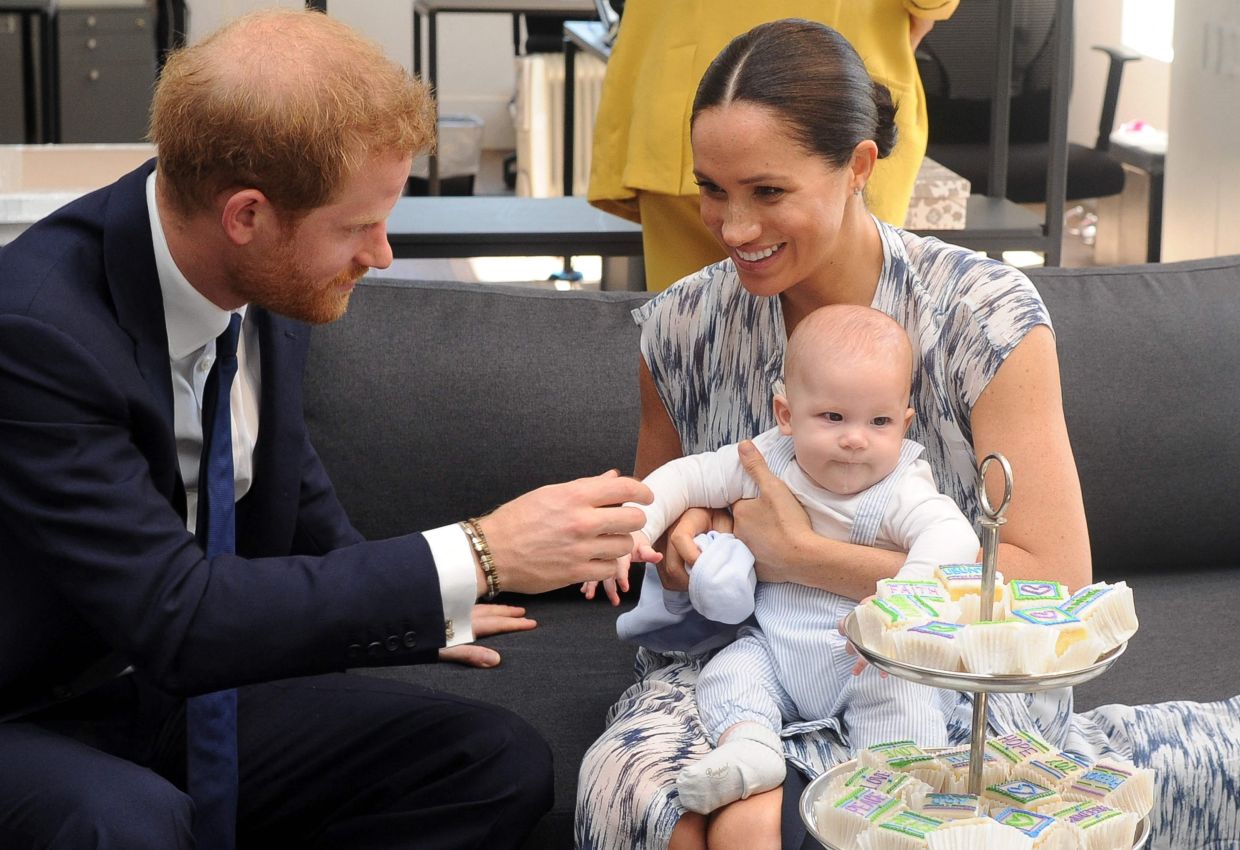
King Charles III welcomed Prince Harry and his family to Highgrove House, his country residence west of London, on Friday in what constitutes a significant breakthrough in ongoing efforts to mend the profound rift that has divided the British royal family since 2018. The gathering included the Duke and Duchess of Sussex alongside their children, Prince Archie and Princess Lilibet, alongside King Charles and Queen Camilla. Buckingham Palace's confirmation of the meeting comes after years of public tension, acrimonious exchanges, and legal battles that have substantially damaged relationships within the House of Windsor.
Harry's return to his homeland earlier in July was ostensibly centred on attending several charitable engagements, though considerable media attention focused intensely on whether such a family reunion would materialise. The British press had spent weeks speculating not only on whether the prince would seek an audience with his father, but equally on whether Meghan would make the journey and—perhaps most significantly—whether their two young children would accompany them. Such questions reflected the broader fascination with attempts to heal wounds that have become increasingly visible to the global public over the past six years.
The logistics of orchestrating such a meeting presented substantial challenges that extended beyond simple scheduling. Royal programmes are typically planned many months, even years, in advance, leaving limited opportunities for spontaneous family gatherings. The constraints became more acute given that Archie and Lilibet, now seven and five respectively, would soon need to return to California for the school term. The family's established residence on the American west coast meant that any opportunity to convene required careful coordination and mutual commitment from all parties involved. These practical considerations took on symbolic weight as observers interpreted them as indicators of whether genuine reconciliation remained possible.
Tensions between Harry and royal officials surfaced visibly earlier in the week when Buckingham Palace initially extended an invitation for the prince to stay at the Palace itself—a gesture that suggested openness to rapprochement. However, the Palace subsequently withdrew the offer after Harry failed to accept within what officials deemed a reasonable timeframe. This embarrassing reversal illustrated the fragility of communications between the parties and the persistence of protocol disputes that had characterised their relationship since his departure from royal duties. The incident underscored how even seemingly straightforward interactions remained fraught with misunderstanding and competing interpretations of intent.
Understanding the current state of relations requires consideration of the numerous grievances that have accumulated since Harry and Meghan stepped back from their official roles in 2020 and relocated to California. The couple's subsequent pursuit of independent media ventures, coupled with their explicit criticism of British tabloid press practices, created immediate friction. This tension escalated dramatically following the publication of Harry's memoir, which contained pointed accusations regarding various family members and alleged patterns of information leaking to journalists. The prince's particular criticism of Queen Camilla—whom he accused of feeding private conversations to media outlets to manage her public image—represented especially sensitive territory given her newly elevated position as Queen Consort.
Harry's legal campaign against British tabloids has constituted another significant complicating factor in family dynamics. His latest setback came during this very week when a judge ruled against his privacy invasion claims against a major publisher, further dampening what had been an ongoing crusade to curtail press intrusion. These legal battles have produced observable strain within the family, with the prince viewing them as efforts to hold media organisations accountable for systematic harassment, while other family members have reportedly perceived them as continuing sources of unwanted publicity and family embarrassment. The convergence of Harry's legal losses with this family meeting highlighted the contested terrain of their relationship.
The deterioration of relations intensified following Harry's accusations regarding his security arrangements. After losing a court battle over police protection last year, the prince suggested that the royal establishment had deliberately withdrawn security detail as punishment for his decision to leave royal life. These allegations introduced accusations of retaliation into what was already a deeply fractured relationship. Yet this same period also marked a subtle shift in Harry's public positioning. In recent interviews, the prince has acknowledged the limitations of continued antagonism and expressed genuine desire for familial reconciliation, declaring to the BBC that he hoped to rebuild bridges with his father despite profound disagreements over past conduct.
A previous meeting between father and son in September provided a more limited interaction—a brief tea meeting during a London visit—representing the first face-to-face contact in over a year. That encounter, though cordial, lacked the broader family dimension that Friday's gathering provided. The prince has consistently emphasised his wish for his children to develop a relationship with their grandfather, a goal that carries particular urgency given King Charles's recent cancer diagnosis. Archie and Lilibet have limited memories of their grandfather, having last met him during celebrations for the late Queen Elizabeth II's Platinum Jubilee in 2022. The private nature of Friday's meeting—with Buckingham Palace indicating that no photographs would be released publicly—allowed the family privacy while limiting the ability of observers to assess the warmth or reserve that characterised their interactions.
For Malaysian and Southeast Asian observers, this royal reconciliation carries broader significance beyond celebrity gossip. The British monarchy remains symbolically important across Commonwealth nations and the wider region, where respect for institutional stability and family harmony resonates with local values. The visible fracture within the royal family has raised uncomfortable questions about duty, obligation, and the price of pursuing individual autonomy—tensions that resonate across different cultural contexts. Additionally, the protracted legal battles and media controversies surrounding Harry and Meghan have demonstrated how modern institutions, even those with centuries of tradition, struggle to adapt to transformed media landscapes and evolving expectations around privacy and accountability.
The Friday meeting represents tentative progress toward reconciliation, though fundamental disagreements almost certainly persist beneath the surface civility of the encounter. King Charles, now 77 and undergoing treatment for cancer, has become acutely aware of mortality in ways that may have motivated the family to prioritise healing over continuing conflict. Harry's explicit statements about wanting reconciliation before his father's condition potentially deteriorates further suggest genuine motivation for change, even as the couple continues to pursue their independent path in California. Whether this single encounter catalyses broader repair of fractured relationships or merely provides temporary respite from ongoing tensions remains an open question that will likely preoccupy royal watchers and family members alike for months to come.

