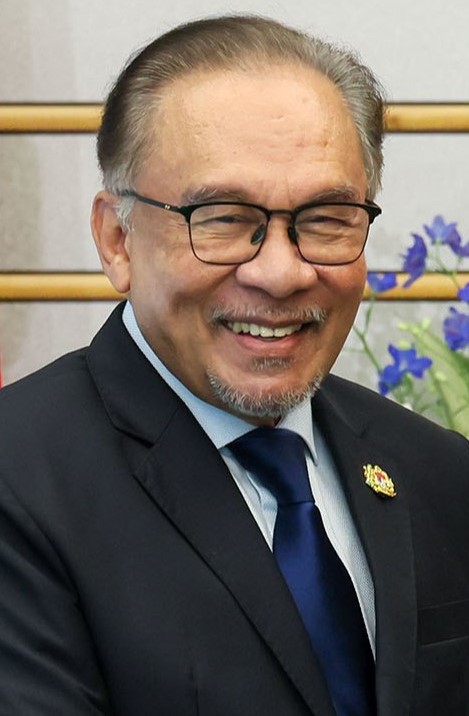
Kenya's Health Minister Aden Duale has been found in contempt of court for his role in advancing a contentious Ebola quarantine facility backed by the United States, marking a significant escalation in one of the country's most divisive public health projects. High Court Judge Patricia Nyaundi delivered the ruling on Monday, determining that Duale deliberately disregarded judicial orders suspending construction of the complex and continued to oversee related activities in direct violation of the court's directives issued on May 28 and reaffirmed on June 2.
The judge's decision represents a sharp rebuke of government defiance of the judiciary. Nyaundi stated that by commissioning ongoing construction at Laikipia Air Base in Nanyuki, Laikipia County, Duale demonstrated "continuing contempt" of the court's orders, warranting disciplinary action. The minister has been summoned to appear in person before the court on Tuesday to present arguments in mitigation and face potential sentencing. This requirement for a cabinet official to justify his conduct in a public courtroom underscores the severity of the judicial findings.
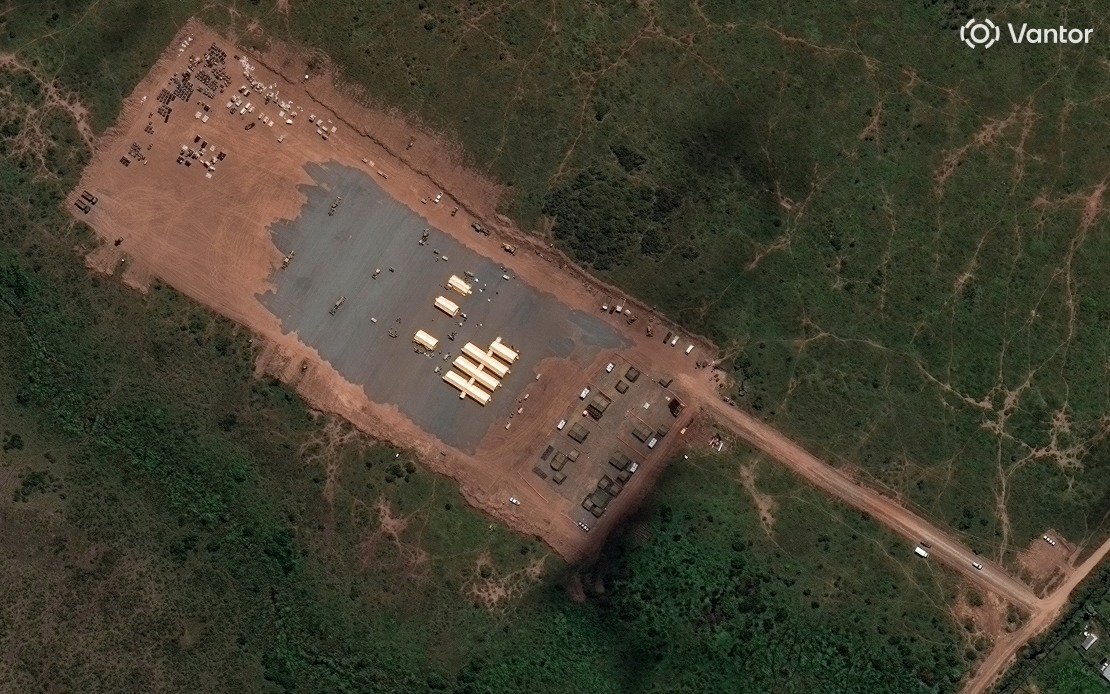
The disputed facility comprises a planned 50-bed quarantine and isolation centre located roughly 200 kilometres north of Nairobi and approximately 8 kilometres west-northwest of Nanyuki. According to government and US officials, the installation is intended to house Americans who may have encountered Ebola during disease response operations connected to outbreaks in the Democratic Republic of the Congo and neighbouring affected territories in Central Africa. The facility forms part of bilateral health cooperation between Nairobi and Washington.
President William Ruto ignited public controversy when he revealed that he authorised the project following a direct request from US President Donald Trump, characterising the arrangement as an extension of longstanding bilateral health relations. This disclosure transformed what might have been presented as a technical health infrastructure decision into a politically charged matter, triggering immediate backlash from civil society, opposition figures, and local communities concerned about sovereignty and transparency.
The Katiba Institute, a constitutional rights organisation, initiated the legal challenge that ultimately halted the project, filing a petition that articulated fundamental objections grounded in constitutional law, public health ethics, and administrative procedure. The organisation contended that the facility's establishment circumvented mandatory public consultation requirements, violated transparency principles, and raised unresolved questions about biosecurity risks to adjacent populations. The High Court accepted these arguments sufficiently to suspend operations pending full judicial review.
Government defenders of the project have maintained that Kenya's position as an important regional transportation and commercial nexus, coupled with its diplomatic significance, exposes the nation to heightened epidemic risks. Officials argue the facility represents a prudent component of national preparedness, enabling rapid isolation and treatment of potential cases before widespread transmission occurs. The US Embassy in Nairobi has similarly emphasised that the installation poses no health threat to surrounding communities and strengthens pan-African disease surveillance and response capabilities.
Despite these official justifications, the controversy has sparked intense demonstrations throughout Laikipia County, where residents and activists have mounted sustained opposition campaigns. Protesters have accused both national authorities and local officials of systematically ignoring public sentiment and flouting court orders with impunity. The demonstrations have escalated to violence on multiple occasions, with law enforcement, eyewitness accounts, and human rights monitors documenting at least three fatalities linked to the unrest. These deaths underscore the depth of community anger and the governance challenges that have emerged surrounding the project.
The contempt finding reveals deepening institutional friction between executive and judicial branches in Kenya. By pursuing construction despite explicit court suspension orders, the Health Ministry signalled either a calculated disregard for judicial authority or an unwillingness to acknowledge the court's legitimacy in overriding presidential decisions on matters affecting national security. This confrontation echoes broader democratic tensions in Kenya regarding checks and balances, executive overreach, and the independence of the judiciary in reviewing government actions.
For Malaysia and other Southeast Asian nations, the Kenyan episode offers instructive lessons about managing health infrastructure decisions involving foreign partnerships. The case demonstrates how international cooperation frameworks, particularly those initiated at the highest political levels, can generate public mistrust when inadequate transparency mechanisms exist or when communities perceive exclusion from consultation processes. It illustrates that technical and medical merit alone cannot overcome governance deficits, and that courts increasingly play vital roles in policing executive decisions even in security-sensitive domains.
The trajectory of this dispute will influence how Kenya and other developing democracies balance legitimate biosecurity concerns with accountability obligations. Should the court ultimately reject government arguments and enforce the suspension, the precedent would significantly strengthen judicial oversight of presidential directives involving foreign collaboration. Conversely, if political pressure or other factors culminate in project approval despite the contempt finding, the episode would signal limits to judicial power in constraining executive action on matters framed as national security imperatives. The forthcoming mitigation hearing and sentencing decision will likely shape how similar health infrastructure proposals are negotiated and justified in Kenya and the broader African continent.