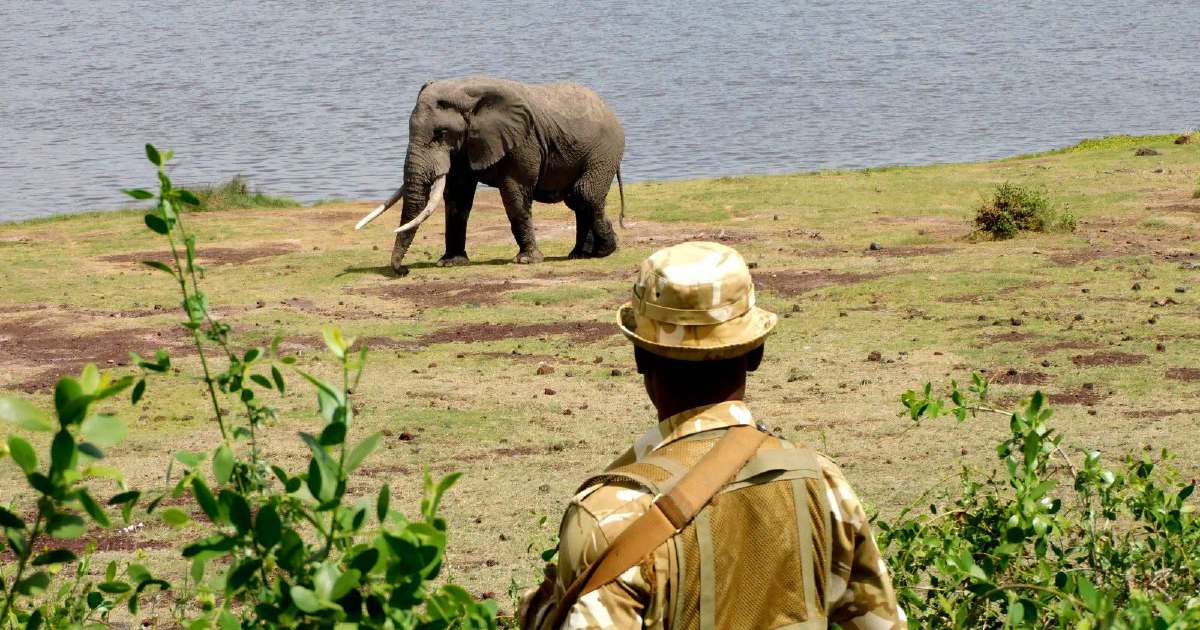
Kenya's wildlife conservation authorities announced Tuesday that they have initiated a formal investigation into the mysterious deaths of 15 elephants at Amboseli National Park, one of East Africa's most significant conservation areas. The loss of such a large number of animals over a compressed timeframe has triggered alarm bells among scientists and park officials, who are scrambling to determine the underlying cause of the mortality event.
Amboseli National Park, situated at the foot of Mount Kilimanjaro near Kenya's border with Tanzania, stands as one of the country's flagship wildlife reserves and a major draw for international tourism. The park is home to one of Africa's largest concentrations of free-ranging elephants, making it a critical location for the species' long-term survival and a barometer of elephant health across the broader East African ecosystem. The sudden loss of 15 individuals within a single month represents a serious disruption to what researchers have documented as one of the region's most closely monitored elephant populations.
The Kenyan Wildlife Service has not yet publicly disclosed preliminary findings or theories regarding what might have triggered the fatalities. Such investigations typically examine multiple potential causes, including infectious diseases, poisoning through contaminated water sources or vegetation, predation of vulnerable juveniles, or environmental stressors such as drought and malnutrition. The compressed timeline of the deaths—occurring within a month rather than spread across a longer period—suggests the possibility of a common causative factor rather than individual circumstances.
Elephant mortality events of this scale warrant urgent attention because the species faces mounting pressures across Africa. Poaching for ivory remains a persistent threat despite international trade bans, while habitat loss and fragmentation continue to squeeze remaining populations into increasingly confined areas. Environmental challenges including prolonged droughts and climate variability have also intensified competition for limited water and forage resources, particularly in semi-arid regions like those surrounding Amboseli.
For Malaysia and Southeast Asia, the Amboseli investigation carries relevance beyond Kenya's borders. The region's own endangered elephant populations, including the Bornean elephant and Asian forest elephant, face comparable threats from habitat destruction and human-wildlife conflict. Understanding what caused the Amboseli deaths could provide valuable insights applicable to conservation strategies across Asia, where elephant populations remain critically endangered with estimated numbers declining steadily each year.
The timing of this investigation comes amid a broader reassessment of African wildlife management practices. Recent advances in veterinary epidemiology and forensic pathology have enabled conservationists to move beyond anecdotal observations toward science-based understanding of wildlife health crises. Samples from the deceased elephants will likely be analyzed for evidence of bacterial, viral, or parasitic infections, while necropsy findings and tissue examinations could reveal nutritional deficiencies or toxicological causes.
Amboseli's elephant population has historically served as a research subject for long-term studies tracking individual animals across decades. This institutional knowledge allows scientists to identify whether the deceased animals shared particular characteristics—age cohorts, family groups, health status—that might point toward specific vulnerabilities. The park's relatively small elephant population makes such tracking feasible and valuable for conservation planning.
The investigation unfolds against Kenya's ambitious conservation agenda, which has positioned the nation as a continental leader in wildlife protection. The country has invested substantially in anti-poaching infrastructure and park management, yet unexpected mortality events underscore the complexity of maintaining viable wildlife populations in the face of interconnected environmental and biological challenges. Effective resolution of this crisis could strengthen Kenya's wildlife management protocols and inform regional best practices.
Conservationists emphasize that prompt identification of the cause remains critical for preventing further losses. If the deaths resulted from a communicable disease, early detection and containment measures could prevent spread to other elephant populations in neighboring reserves. Conversely, if environmental factors triggered the event, park managers may need to adjust water management or supplementary feeding programs. The coming weeks will prove decisive as veterinary teams work to piece together the mystery and protect the remaining elephants at Amboseli from whatever threat claimed their 15 companions.

