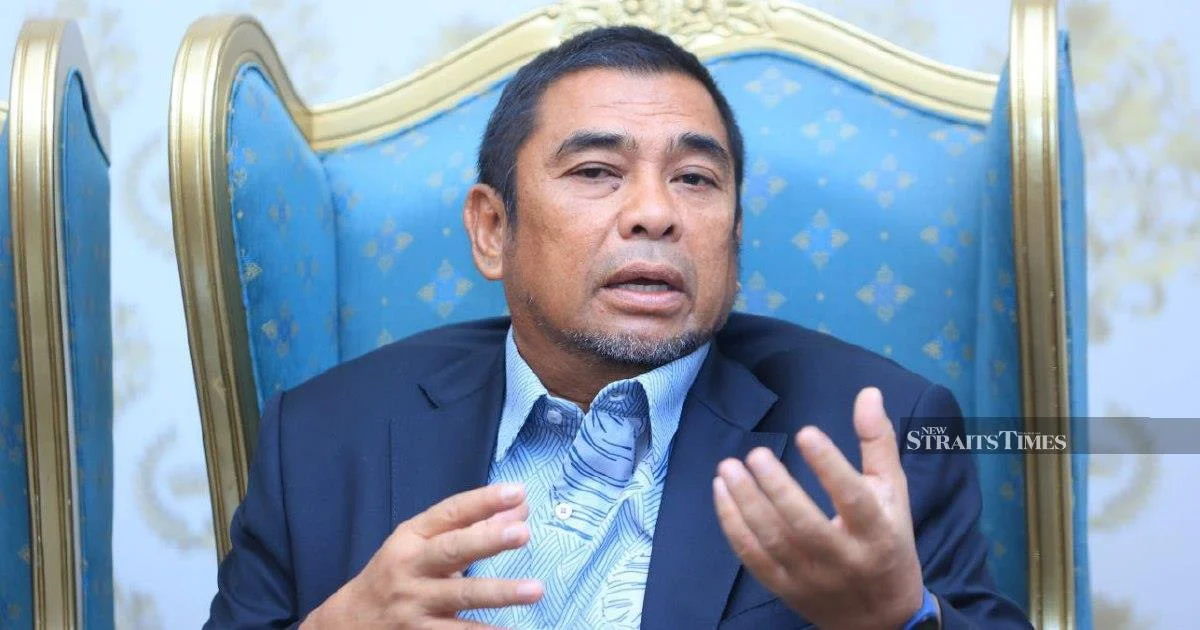
Kelantan's Umno division has seized upon a recent internal directive from PAS, arguing it constitutes a significant admission that longstanding allegations of collusion between Umno and DAP have no merit. The Islamic party instructed its members to back Barisan Nasional candidates contesting in the Johor state election, a decision the coalition's representatives are now framing as a symbolic reversal of previous political positioning that had fuelled the "UmDAP" narrative.
The "UmDAP" label emerged from opposition political discourse over the past decade, particularly following the 2018 general election and accelerating during various state-level contests. Critics of Umno deployment the term to suggest a hidden understanding or coordinate strategy between Malaysia's longest-ruling party and the Democratic Action Party, a primarily Chinese-based political formation. The accusation carried particular weight in Muslim-majority constituencies where such an alliance would be viewed with suspicion, and it became a rhetorical weapon deployed by rivals seeking to undermine Umno's electoral standing among Malay-Muslim voters.
The timing of PAS's directive deserves closer examination within the broader realignment of Malaysia's coalition architecture. Since the formation of Perikatan Nasional and its subsequent evolution, PAS has navigated increasingly complex political terrain, balancing its Islamist positioning against electoral pragmatism. The party's experience in Johor politics holds particular significance, as the state represents a critical battleground where multiple political forces maintain substantial bases. The instruction to party members to support BN candidates represents more than routine electoral coordination; it signals a repositioning that carries implications for how voters perceive inter-party relationships within the broader governing coalition.
Umno's interpretation of this development as vindication against the "UmDAP" charge reflects the party's ongoing struggle to rehabilitate its image following the 1Malaysia Development Berhad scandal and subsequent loss of federal power in 2018. The party has worked methodically to reconstruct its narrative, particularly among Malay-Muslim constituencies where it traditionally enjoyed dominance. Any public statement from another Islamist-oriented party that suggests collaborative relations rather than competitive tension can be presented as evidence supporting Umno's counter-narrative that allegations of hidden DAP ties were exaggerated or fabricated for political advantage.
The broader context involves understanding how political labels function in Malaysian electoral campaigns. The "UmDAP" allegation was particularly potent because it weaponised genuine concerns about representation and religious governance among conservative constituencies. By suggesting Umno was secretly coordinating with a secular-oriented, non-Muslim-led party, opponents attempted to delegitimise Umno's claim to champion Malay-Muslim interests. The persistence of this label, despite Umno's denials, indicated the effectiveness of opposition messaging and the difficulty the party faced in reclaiming lost ground among its traditional base.
PAS's positioning merits consideration as well. The Islamic party has pursued a complex strategy of maintaining its independent political identity while selectively cooperating with various coalition partners depending on electoral contexts. Its decision to direct members toward BN support in Johor could reflect either genuine convergence with Umno's interests in that particular state or pragmatic acknowledgement that a fractured opposition vote would benefit neither party. The party's growth in recent years has often come through competing directly with Umno for Malay-Muslim votes rather than coordinating with it, which makes this apparent shift noteworthy.
For Malaysian voters and political observers, the significance extends beyond the immediate Johor election dynamics. The statement represents another chapter in the ongoing repositioning of coalition relationships that has characterised Malaysian politics since 2018. The frequency with which parties shift alliances, issue seemingly contradictory directives, and reframe their political positioning relative to former adversaries has created substantial voter confusion about what these coalitions fundamentally represent. This opacity makes it difficult for citizens to accurately assess which combinations of parties and interests will ultimately govern if particular electoral outcomes occur.
Kelantan's Umno division chose to frame this development prominently, suggesting the party views the PAS directive as having significant messaging value. By publicising this interpretation, Umno aims to delegitimise future use of the "UmDAP" label by portraying it as manufactured slander rather than a reflection of actual political arrangements. This strategy recognises that perceptions of hidden alliances and secretive coordination can be more damaging to electoral prospects than acknowledged formal coalitions, which voters can evaluate openly.
The broader question emerging from this exchange concerns the reliability of political messaging itself during election campaigns. Malaysian voters have increasingly encountered claims and counterclaims about who is really aligned with whom, what parties actually represent, and whether stated positions reflect genuine commitments or temporary electoral convenience. The "UmDAP" controversy exemplifies this challenge: whether it represented actual coordination or effective opposition messaging, its persistence illustrated how difficult it became for any party to control its public image once competing narratives gained traction.
Looking forward, the Johor election will test whether these repositionings have genuinely altered voter perceptions. If the BN coalition performs unexpectedly strongly among constituencies where "UmDAP" allegations had previous resonance, Umno may legitimately claim vindication. Conversely, if voters remain sceptical of Umno regardless of PAS's public stance, it would suggest that damage from previous allegations has taken deeper hold than symbolic directives can address. The outcome will inform how Malaysian political parties calibrate their messaging strategies and coalition positioning in future electoral contests.

