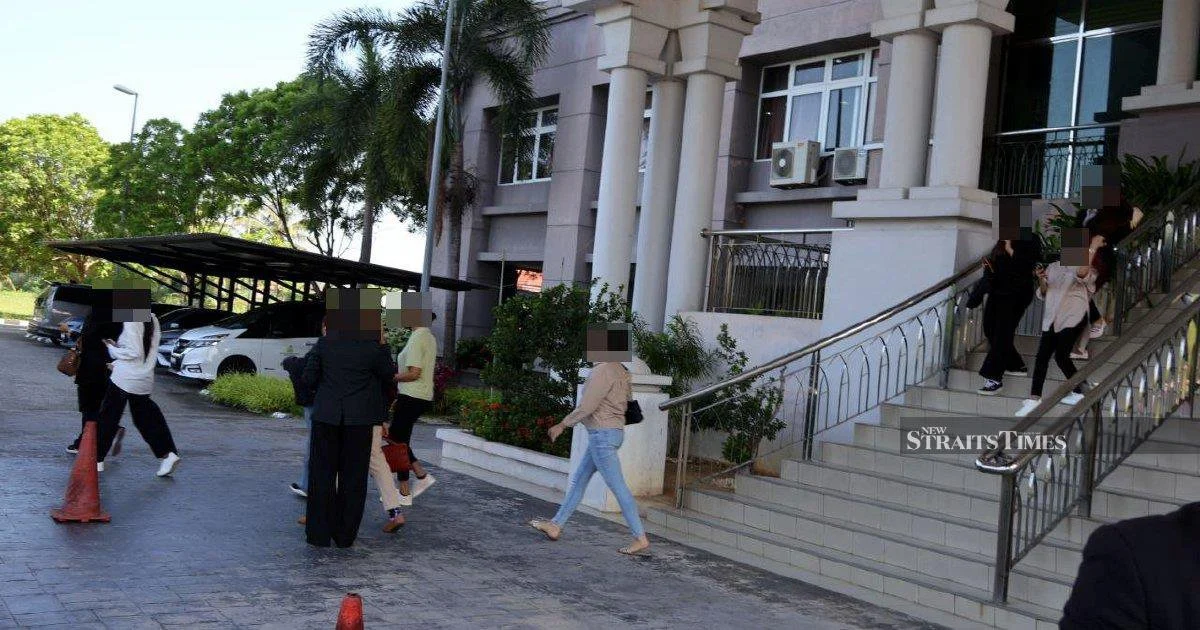
The Syariah Lower Court in Kota Baru has deferred the trial of 14 men charged with wearing women's clothing at a residential property on Jalan Mahmood in the Kelantan capital. The postponement, announced during a court sitting, means the case will not proceed to substantive hearings in the immediate term, leaving the accused in a period of legal limbo as their defence preparation continues.
The charges stem from an incident that occurred in 2023 when authorities conducted an operation at the apartment complex. The 14 accused individuals were detained and subsequently charged under applicable Syariah law provisions related to their apparel choices. The case has attracted attention within Malaysia's Islamic legal system, reflecting broader societal discussions about dress codes and religious compliance standards enforced through Islamic courts.
Kelantan, as a state with a strongly Islamic administrative tradition, has consistently applied rigorous enforcement of Syariah regulations. The jurisdiction of the Syariah courts in matters concerning Islamic personal law and offences defined as transgressions against Islamic teachings carries significant weight in the state's legal framework. The 14 men's trial thus represents a tangible intersection between individual conduct and the state's formal religious apparatus.
The reasons for the court's adjournment were not immediately detailed in the hearing, though postponements in Syariah proceedings typically occur to allow additional time for legal representation, submission of defence evidence, witness preparation, or administrative case management. Such delays are standard within the Malaysian judicial system when complex cases involving multiple accused parties are involved. The court administration in Kelantan manages considerable caseloads across both criminal and family law matters under Syariah jurisdiction.
For the 14 accused, the deferment provides a critical period to marshal their legal defences and prepare for trial. Malaysian law permits defendants in Syariah courts to engage legal counsel, though representation in Islamic legal proceedings follows specific protocols distinct from civil courts. The extended timeline may influence whether accused parties seek character witnesses, medical or psychological evidence, or other testimony relevant to their defence.
This case illuminates the mechanisms through which Islamic law operates in Malaysia's plural legal system. While civil courts handle secular matters, Syariah courts possess exclusive jurisdiction over Islamic personal affairs and matters classified as religious offences for Muslim citizens. The trial's progression will influence how enforcement standards develop across Kelantan and potentially influence jurisprudence in other states with comparable Islamic legal frameworks.
The postponement also reflects broader practical realities of court administration in Malaysia's Islamic legal sector. Syariah courts balance substantial caseloads spanning inheritance disputes, marriage and divorce proceedings, and religious compliance matters. Complex multi-accused cases require careful judicial management to ensure procedural fairness and adequate time for all parties to present their positions comprehensively.
Within the Malaysian legal environment, cases involving alleged violations of religious dress codes have generated discussion among legal scholars and civil society observers. Perspectives diverge regarding the scope and application of such regulations, the nature of evidence required for conviction, and the proportionality of sanctions. The Kota Baru trial will contribute to evolving interpretations within Kelantan's Syariah jurisprudence.
Regional observers note that Islamic law enforcement mechanisms vary considerably across Southeast Asia. Malaysia's approach, featuring structured Syariah courts operating within a constitutional framework that recognises Islamic law, distinguishes itself from other jurisdictions. The trial's procedural trajectory offers insights into how Malaysian Islamic courts handle enforcement while maintaining judicial standards.
For Malaysian readers, the case demonstrates the practical operation of Syariah law in daily administration and the manner in which religious legal systems address alleged infractions of Islamic standards. The postponement underscores that even within specialised Islamic courts, complex cases demand substantial procedural time, multiple hearing dates, and careful management of evidence and witness testimony.
The trial's eventual conclusion will provide definitive clarity on how Kelantan's judiciary interprets and applies regulations governing clothing and religious conduct. Whether the eventual verdict emphasises strict enforcement or permits consideration of individual circumstances will shape both public understanding of Syariah law's scope and the practical experience of individuals navigating Islamic legal processes in Malaysia.

