Kelantan has consolidated its position as a state meeting and exceeding national forest conservation benchmarks, with forestry data presented to the state legislative assembly revealing that 778,708.34 hectares remain under tree cover—equivalent to just over half the state's total landmass. This achievement reflects sustained commitment to environmental stewardship at a time when deforestation pressures affect many parts of the region, and demonstrates the state government's ability to balance ecological preservation with development objectives.
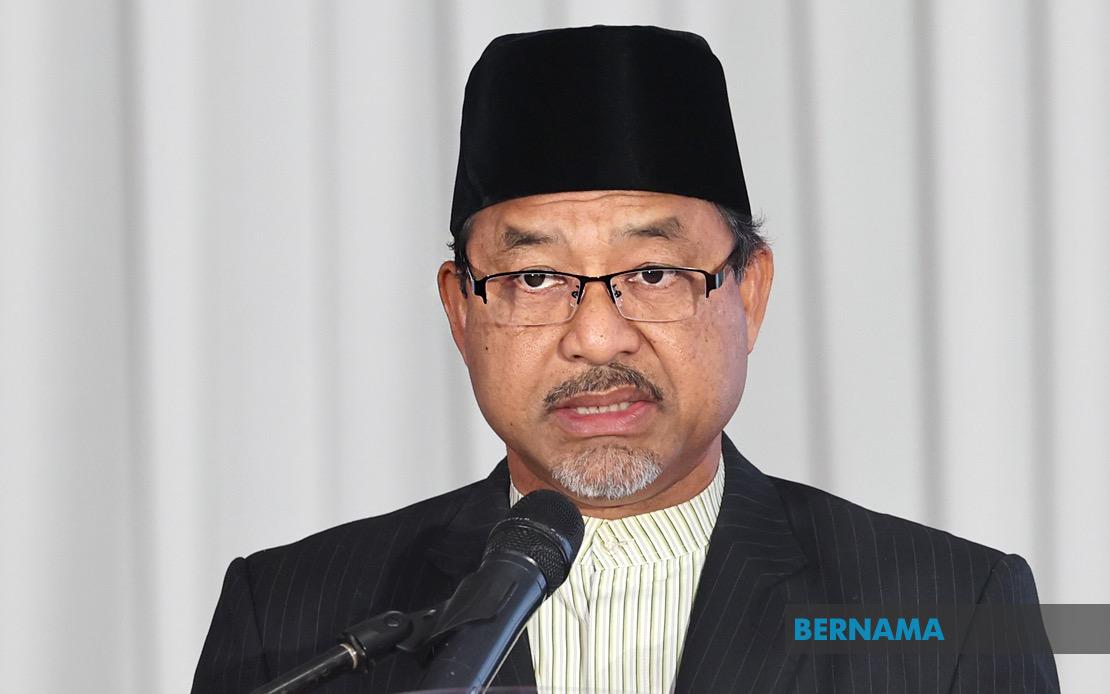
Menuteri Besar Datuk Mohd Nassuruddin Daud disclosed the figures while responding to parliamentary questions, framing Kelantan's performance within the broader context of the Peninsular Malaysia Forestry Policy, which establishes 50 per cent forest and tree cover as a minimum threshold across the country. By maintaining 51.79 per cent coverage, the state has positioned itself ahead of the regulatory baseline, suggesting effective forest management protocols and enforcement mechanisms. This margin above the minimum offers valuable buffer capacity should unforeseen pressures on woodland areas arise in future years.
The state administration has pursued a multifaceted approach to preserve and expand its forest estate, beginning with systematic identification of government-owned land suitable for formal designation as Permanent Reserved Forests under the HSK classification. This proactive identification process forms part of a deliberate strategy to secure long-term protection for critical forest zones, preventing ad-hoc loss through competing land claims or development proposals. The approach reflects international best practice in forest tenure security, which experts recognise as foundational to effective conservation.
Kelantan's regulatory framework has been strengthened through recent amendments to the National Forestry Enactment, with protected forests now gazetted according to functional classifications established under Section 10(1) of the National Forestry Enactment (Adoption) (Amendment) (No. 3) 2025. This legal scaffolding creates enforceable categories that distinguish between production forests, protection forests, and conservation areas, allowing administrators to apply management protocols tailored to each zone's ecological and economic function. Such differentiation is particularly important in Peninsular Malaysia, where forests serve multiple roles including water catchment protection, biodiversity preservation, and sustainable timber production.
Beyond formal designation, Kelantan is actively expanding its forest asset base through the Greening Malaysia campaign, which encompasses both forest restoration initiatives and dedicated tree-planting programmes. These interventions acquire significance given historical deforestation trends across Malaysia and the region, where conversion of natural forest to plantation or other uses has reduced primary woodland extent. By investing in reforestation, Kelantan is addressing both quality and quantity dimensions of forest cover—potentially enhancing carbon sequestration capacity and habitat connectivity even as headline hectare figures remain stable.
The state government has explicitly committed to a balanced development paradigm that resists false choices between conservation and economic growth. Officials characterise their approach as sustainable, drawing on the classical definition of meeting present needs without diminishing future generations' capacity to meet theirs. This rhetorical framing is not merely aspirational; it underpins concrete decisions about which lands receive protection, which are opened for economic use, and how competing claims are arbitrated. For Malaysian policymakers seeking to navigate global climate commitments alongside domestic development imperatives, Kelantan's model offers instructive precedent.
Technological capacity has become integral to forest protection strategy, with Kelantan deploying monitoring systems capable of detecting vegetation changes and potential encroachment across its forest estate at early stages. Remote sensing technologies, satellite imagery analysis, and geographic information systems enable administrators to identify threats before they become widespread problems, reducing enforcement costs and improving response effectiveness. This represents a significant upgrade from patrol-based monitoring alone, though the state government continues to deploy ground verification teams to confirm detected changes before implementing formal enforcement action.
The verification protocol—requiring that all satellite-detected anomalies undergo field inspection before enforcement action proceeds—demonstrates commitment to due process and accuracy. This disciplined approach minimises false positives and ensures that enforcement resources target genuine violations rather than misidentified vegetation changes or natural phenomena. For Malaysia's forest management community, adopting such verification standards helps build credibility with international observers and domestic stakeholders concerned about arbitrary or inconsistent enforcement.
Kelantan's forest conservation trajectory carries implications extending beyond state boundaries. As a forestland within the Peninsular Malaysian context, Kelantan's forests contribute to regional hydrological cycles, biodiversity networks, and carbon storage functions that transcend administrative borders. Maintaining connectivity with forests in neighbouring Terengganu and Pahak strengthens ecosystem resilience and allows species movement across larger ranges. From a Southeast Asian perspective, Kelantan's performance also contextualises Malaysia's broader environmental profile at a moment when regional and global stakeholders scrutinise forest governance across the Association of Southeast Asian Nations.
The state's achievement in maintaining above-threshold forest cover while pursuing development reflects institutional capacity that not all Malaysian states have demonstrated consistently. Questions from legislators like Zuraidin Abdullah (PAS-Chetok) signal continued parliamentary oversight of forest management, indicating that accountability mechanisms remain functional despite historical controversies affecting Malaysian forestry. This transparency is particularly significant given past allegations of forest encroachment and illegal logging that have periodically troubled Kelantan's reputation.
Looking forward, Kelantan faces ongoing pressures from infrastructure development, agricultural expansion, and urban growth that require sophisticated negotiation of competing land demands. The state's current forest coverage provides some security, but vigilance will prove essential as economic pressures intensify. International experience suggests that forest cover maintenance requires sustained political commitment, adequate funding for enforcement and restoration, and genuine coordination across government agencies that may hold conflicting sectoral interests.
The disclosure of Kelantan's forestry statistics also reflects broader recognition that environmental data constitutes legitimate legislative business and public concern. By routinely reporting forest cover figures and conservation strategies through parliamentary channels, the state government acknowledges that citizens and their representatives possess the right to scrutinise land use decisions. This accountability dimension may ultimately prove as important as the specific percentages, as it normalises environmental governance as a core function of representative institutions across Malaysia.

