%22%2F%3E%3C%2Fpattern%3E%3C%2Fdefs%3E%3Crect%20width%3D%22100%25%22%20height%3D%22100%25%22%20fill%3D%22url(%23ph21cozg)%22%2F%3E%3Crect%20width%3D%22100%25%22%20height%3D%22100%25%22%20fill%3D%22url(%23ph21cozp)%22%2F%3E%3Ctext%20x%3D%2250%25%22%20y%3D%2250%25%22%20text-anchor%3D%22middle%22%20dominant-baseline%3D%22central%22%20fill%3D%22rgba(255%2C255%2C255%2C0.95)%22%20font-family%3D%22Georgia%2C%20'Times%20New%20Roman'%2C%20serif%22%20font-weight%3D%22700%22%20font-size%3D%22170%22%20letter-spacing%3D%22-0.02em%22%3EKelantan%3C%2Ftext%3E%3C%2Fsvg%3E)
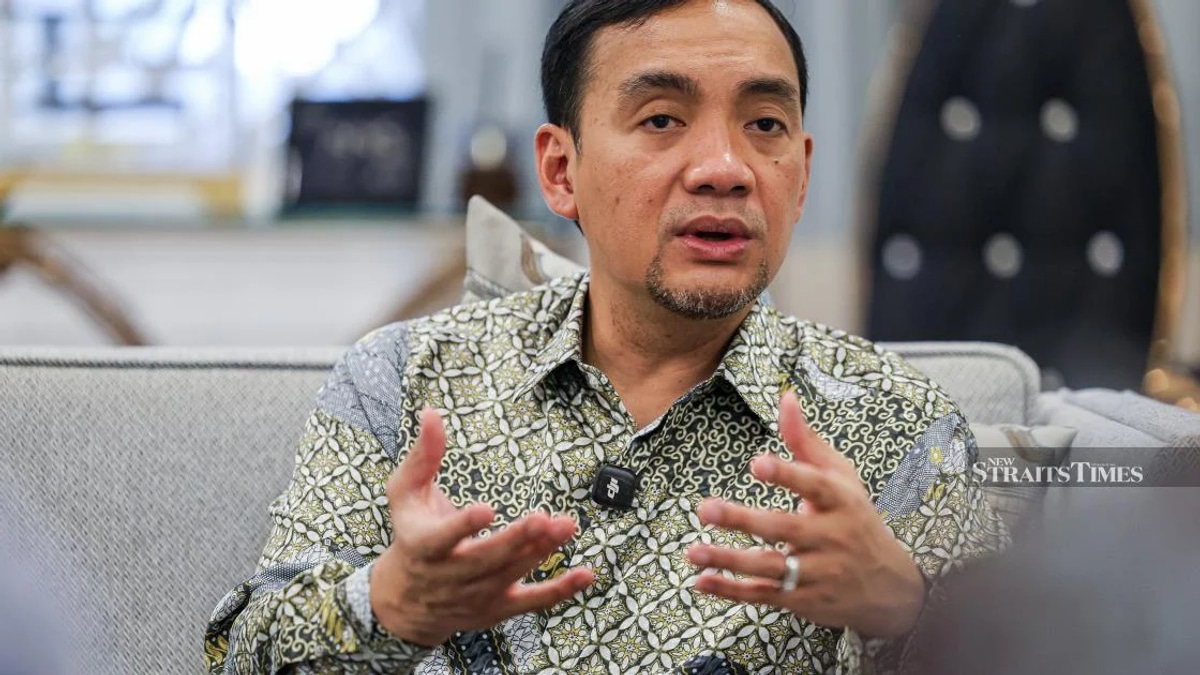
The Regent of Kelantan, Tengku Muhammad Fakhry Petra, received Malaysia's Foreign Minister Fahmi Fadzil during an official visit to Kota Bharu on June 17, marking a high-level engagement between the royal household and the federal government on issues spanning disinformation and regional governance challenges.
The meeting brought together two significant figures in Malaysia's political and constitutional landscape, with the minister travelling to the East Coast state to discuss matters of mutual concern. The audience reflected the importance both parties place on maintaining dialogue channels regarding contemporary problems affecting Kelantan's population and the nation's digital information environment.
At the forefront of their discussions were concerns about coordinated inauthentic behaviour on social media platforms, particularly the proliferation of fraudulent accounts disseminating misleading information. This issue has become increasingly pressing across Southeast Asia, where disinformation campaigns can rapidly influence public opinion on everything from electoral processes to public health matters. Kelantan, as a major population centre in the northeast, represents a significant target and source of digital discourse in Malaysia's online ecosystem.
The phenomenon of fake social media accounts operating under false identities poses multifaceted challenges to governance and social cohesion. These networks often spread unverified claims, amplify divisive narratives, and undermine trust in official institutions. For a state like Kelantan, which sits at the intersection of competing political and religious narratives, such coordinated disinformation presents particular risks to stability and informed public participation in civic life.
Fahmi's portfolio as Foreign Minister encompasses digital diplomacy and international information security, making him a natural interlocutor on questions about foreign actors potentially exploiting Malaysian digital spaces. Recent global patterns suggest that state-sponsored disinformation operations increasingly target developing nations, particularly during politically sensitive periods. Malaysia's geostrategic position in Southeast Asia and its diverse demographic composition make it a landscape where such operations could find traction.
The broader implications of their discussion extend to Malaysia's capacity to defend its information environment from manipulation. Unlike traditional threats to national security, disinformation operates through civilian communication channels, making coordinated responses between federal authorities and state administrations essential. The Kelantan regent's willingness to engage directly with the Foreign Ministry signals recognition that addressing fake accounts requires cooperation across multiple governance levels.
Beyond disinformation, the discussions touched on current issues facing Kelantan specifically. The state has navigated distinctive challenges in recent years, from developmental priorities to administrative matters requiring federal-state coordination. Such periodic audiences allow the regent to communicate concerns directly to cabinet-level officials and ensure state perspectives inform national policy discussions. This represents a conventional but crucial function of Malaysia's constitutional monarchy in maintaining dialogue between different tiers of governance.
The timing of the visit carries significance within Kelantan's political context. As Southeast Asia's only state governed continuously by the same political coalition since 1959, Kelantan operates within a distinctive political framework that shapes its relationship with federal authorities. Regular high-level engagement helps navigate the complexities of federal-state relations where political differences exist, ensuring cooperation on matters transcending partisan boundaries such as security and public welfare.
The regent's reception of the Foreign Minister also underscores the traditional role of Malaysian sultans and regents as custodians of national unity and stability. Despite constitutional limitations on direct executive power, royal engagement with federal officials carries symbolic weight and can facilitate problem-solving across jurisdictional boundaries. The regent's position as both a constitutional figure and a respected local leader gives such meetings particular resonance in Kelantan's governance landscape.
Digital resilience has emerged as a critical governance issue across Southeast Asia, where rapid internet penetration has created vast online populations susceptible to misinformation. Malaysia's experience with coordinated inauthentic behaviour on platforms like Facebook, TikTok, and WhatsApp mirrors patterns observed in Thailand, Philippines, and Indonesia. Regional cooperation on identifying and countering these operations could strengthen collective defences, making bilateral and intra-national discussions like that in Kota Bharu part of a broader security evolution.
Moving forward, the meeting likely establishes frameworks for ongoing coordination between Kelantan authorities and federal agencies on detecting and responding to disinformation campaigns. This might involve information-sharing protocols, capacity-building initiatives, or joint public education efforts to build digital literacy among the population. Such preventative measures complement enforcement approaches and address root causes of disinformation's effectiveness.
The audience also reflects Malaysia's democratic maturity in maintaining functional relationships across political differences. Regular engagement between royal institutions and elected officials, regardless of party affiliation, sustains institutional trust and ensures that governance challenges receive attention through established channels rather than descending into confrontation. For Kelantan specifically, such connections help ensure the state's concerns receive appropriate consideration at national decision-making levels.