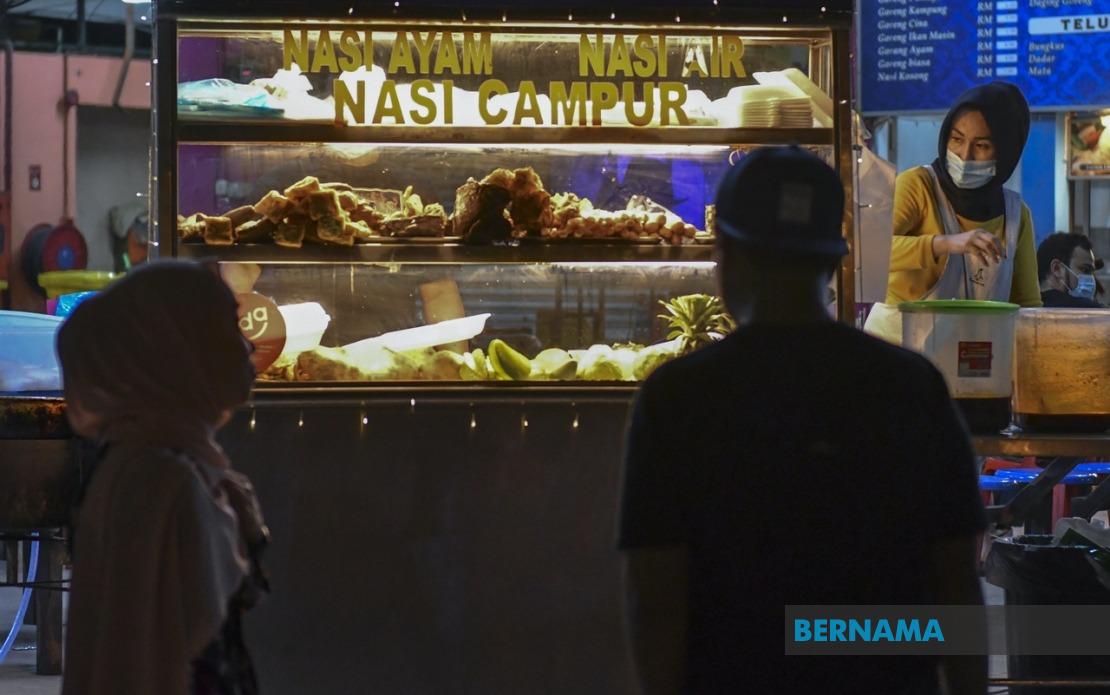
The Kelantan state government has signalled its intention to strengthen oversight of food establishments across the state, responding to fresh allegations that have circulated widely on social media regarding potential breaches of halal requirements. The commitment reflects growing sensitivity around food safety and religious compliance in Malaysia's northeastern state, where consumer confidence in the halal certification system has come under scrutiny following the viral disclosure by a Facebook user highlighting the certification status of several food premises run by non-Muslim operators that regularly serve Muslim patrons.
Mohd Asri Mat Daud, chairman of the Kelantan State Islamic Development, Dakwah, Information and Regional Relations Committee, outlined the government's plan to conduct more frequent monitoring and inspection cycles in response to the allegations. Speaking to journalists following a halal certification presentation ceremony in Kota Bharu on July 15, Mohd Asri emphasised that preventive measures are essential to stop such concerns from becoming systemic within the state's food service sector. The remarks underscore official anxiety that isolated incidents of non-compliance could erode public trust in the broader halal ecosystem if left unaddressed.
While the state government has not yet received formal written complaints from consumers or industry groups regarding specific violations, Mohd Asri indicated that preliminary investigations are underway to gather additional information about the allegations before decisive enforcement action is taken. This measured approach balances the need for rapid response with procedural fairness, acknowledging that viral social media claims require verification before punitive measures are imposed on individual operators. The decision to launch informal inquiries first reflects administrative caution, particularly given the commercial and reputational implications for food businesses accused of non-compliance.
Operational responsibility for enforcing halal standards rests with the Kelantan Islamic Religious Affairs Department, and Mohd Asri's office will coordinate with this body to ensure investigations proceed efficiently. This institutional division of labour is typical across Malaysian states, where religious affairs departments hold primary enforcement authority over matters of Islamic compliance. The commitment to enhanced liaison between government bodies suggests recognition that siloed bureaucratic approaches have sometimes allowed compliance gaps to widen undetected.
Mohd Asri directed a pointed message at food premise operators, cautioning them against prioritising commercial profit margins at the expense of shariah compliance. The warning carries significant weight in a state like Kelantan, which has historically maintained stricter religious standards than many other Malaysian jurisdictions. Operators who cut corners on halal procedures—whether through inadequate staff training, improper ingredient sourcing, or cross-contamination risks—risk damaging their customer relationships and facing regulatory sanctions. For many Muslim consumers, halal certification represents not merely a legal requirement but a fundamental religious obligation, making perceived breaches a matter of personal conscience.
The state government simultaneously urged members of the public to exercise greater diligence in verifying the halal status of food premises they patronise. This advisory recognises that consumer vigilance, combined with official oversight, creates a dual-layer protection system. Malaysians increasingly consult certification databases and signage before dining, and official encouragement of this practice empowers customers to vote with their purchasing decisions. In the social media age, customer awareness also serves as an informal monitoring mechanism that complements formal government inspections.
Kelantan authorities are promoting Malaysia's official Halal Certification scheme as a pathway for food operators to demonstrate genuine commitment to compliance standards. The state government has committed to processing certification applications within thirty days, provided that premises meet baseline readiness criteria and adhere to stipulated operational guidelines. This relatively swift turnaround—by some regulatory standards—aims to reduce barriers to formal certification, potentially encouraging more non-Muslim operators to obtain official credentials that provide transparent assurance to Muslim customers. Certification also shields compliant operators from reputational damage arising from unsubstantiated allegations.
The episode highlights an evolving tension in Malaysia's food service landscape between commercial pluralism and religious assurance. Non-Muslim entrepreneurs play a substantial role in Malaysia's food and beverage sector, serving both Muslim and non-Muslim clienteles. However, Muslim consumers require verifiable guarantees that food preparation follows Islamic dietary laws, creating an information asymmetry that certification systems are designed to resolve. When certification processes are perceived as inadequate or poorly enforced, public confidence fractures, as the recent social media outcry demonstrates.
For Southeast Asian observers and Malaysian policymakers, the Kelantan episode offers instructive lessons about the importance of robust, transparent halal governance. As Muslim-majority and multi-religious nations across the region develop halal frameworks to support export industries and domestic consumption, institutional credibility becomes paramount. Public allegations—whether well-founded or exaggerated—can rapidly undermine government authority and consumer trust if not addressed through visible enforcement and procedural integrity. Kelantan's decision to visibly intensify inspections signals recognition that reactive, behind-the-scenes responses prove insufficient in the age of viral information.
The state's commitment also reflects awareness that halal compliance extends beyond simple regulatory compliance to encompass broader questions of consumer rights and religious freedom. Muslim citizens possess legitimate expectations that the state will ensure food available in the marketplace respects their religious dietary requirements. When food operators—Muslim or non-Muslim—fall short of these standards, the state's enforcement capacity directly affects citizens' ability to make informed consumption choices aligned with their faith commitments. Enhanced monitoring thus represents not merely bureaucratic diligence but recognition of government responsibility to protect citizens' ability to observe religious practice in everyday life.

