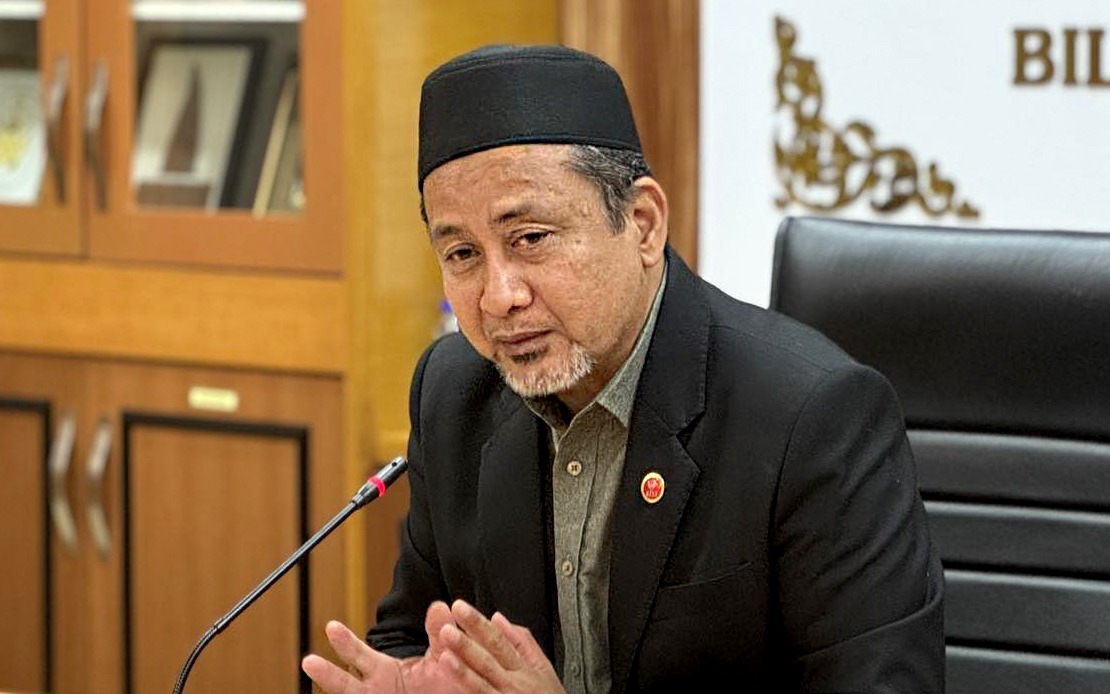
Kelantan's state government is broadening its approach to athlete development by weaving education into the broader sports support framework. In a significant move announced recently, the Kelantan Sports Council has partnered with Yayasan Kelantan Darulnaim (YAKIN) to provide education loans and scholarships for athletes pursuing undergraduate degrees at public universities. The initiative reflects a strategic pivot towards nurturing well-rounded individuals who can contribute to society beyond their sporting achievements.
Zamakhshari Muhamad, chairman of the State Youth, Sports, NGOs and Community Unity Committee, positioned this development as a natural extension of the state's athlete welfare philosophy. Rather than viewing sports and education as competing priorities, the Kelantan government has opted to integrate both elements into a cohesive support system. This holistic approach acknowledges that many promising athletes face genuine financial constraints when attempting to balance rigorous training schedules with university coursework, a reality that has historically forced some young talents to abandon either their sporting dreams or their educational aspirations.
The loan and scholarship framework sits within a broader constellation of benefits already available to Kelantan athletes. Those enrolled in the state's Imtiyaz programme receive monthly allowances designed to offset living costs while they train and study. Beyond basic stipends, the Kelantan Sports Council subsidises participation in both domestic and international competitions, removes financial barriers to acquiring specialised sports equipment, and provides nutritional supplements tailored to different sporting disciplines. This multifaceted approach acknowledges that athletic excellence demands investment across multiple domains simultaneously.
Recognition of academic excellence forms another pillar of the revised strategy. Students who achieve outstanding results in the Sijil Pelajaran Malaysia (SPM) or Sijil Tinggi Persekolahan Malaysia (STPM) examinations are eligible for additional academic incentives. This dual-track recognition system sends a clear signal that intellectual achievement receives the same institutional validation as sporting prowess. For young athletes navigating the pressures of competitive sport, such recognition can be psychologically invaluable, reinforcing their sense that pursuing excellence across multiple dimensions remains genuinely possible.
The welfare safety net has been expanded to address life's unpredictability. Athletes covered under the programme receive designated support during natural disasters, unexpected accidents, significant life events such as marriage, and periods of bereavement. This catastrophic cover is particularly relevant for Kelantan, a state occasionally affected by flooding and other environmental challenges. By cushioning athletes against such shocks, the government reduces the likelihood that personal crises will derail sporting and educational trajectories.
Implementation of such an integrated programme requires coordination across multiple institutions and sectors. According to Zamakhshari, the initiative draws support from the National Sports Council at the federal level, while collaborating closely with state-level education and youth and sports departments. Equally important are partnerships with both public and private higher education institutions throughout Malaysia. This multi-stakeholder approach distributes responsibility and resource commitment, making the scheme more sustainable than initiatives relying on single organisations.
For Malaysian readers, this development carries broader significance within the regional sports ecosystem. Kelantan has historically produced athletes of national significance, and providing integrated education support could enhance the state's competitive position. When athletes face reduced financial anxiety, they often perform better both in competition and academically. Moreover, students who complete university degrees while maintaining athletic careers frequently transition into sports administration, coaching, or sports science roles, multiplying their long-term contribution to national sporting development.
The timing of this announcement also reflects evolving regional perspectives on athlete welfare. Several Southeast Asian nations have begun recognising that unilateral focus on competition results, without addressing athletes' broader life outcomes, creates vulnerabilities. Countries investing heavily in education-sport integration often see improved retention of talented individuals within organised sporting structures and better post-athletic career trajectories. Kelantan's approach aligns with this regional trend towards more sophisticated athlete management.
Zamakhshari articulated hope that these expanded facilities would catalyse broader personal development among Kelantan athletes. The implicit recognition here is that excellence in sport, education, and personal growth are mutually reinforcing rather than competing objectives. Athletes who develop time-management skills, intellectual rigour, and resilience through university study often apply these capabilities to their athletic pursuits. Conversely, the discipline and focus cultivated in competitive sport can enhance academic performance.
For prospective student-athletes in Kelantan, the practical implications are significant. Talented young athletes no longer face an artificial binary choice between pursuing a university degree and maintaining their place within state-supported sporting programmes. The financial gatekeeping that has historically excluded many capable individuals from this opportunity has been substantially reduced. Over time, this could identify and nurture talent that previous generations of institutional barriers prevented from emerging.
The partnership with YAKIN itself warrants attention, as the foundation brings specific expertise in managing educational finance and scholarship programmes. This institutional collaboration reduces the administrative burden on the Kelantan Sports Council itself, allowing sports officials to focus on athletic development while YAKIN handles loan and scholarship administration. Such division of labour typically improves programme efficiency and transparency.
Looking forward, the success of this initiative will likely be measured not merely through sporting achievements but through athlete retention rates, university completion rates, and career pathways post-athletics. States and federations throughout Southeast Asia will be monitoring Kelantan's experience closely. Should the programme demonstrate that integrated athlete support enhances both sporting and educational outcomes, it could serve as a template for replication elsewhere in Malaysia and across the region.

