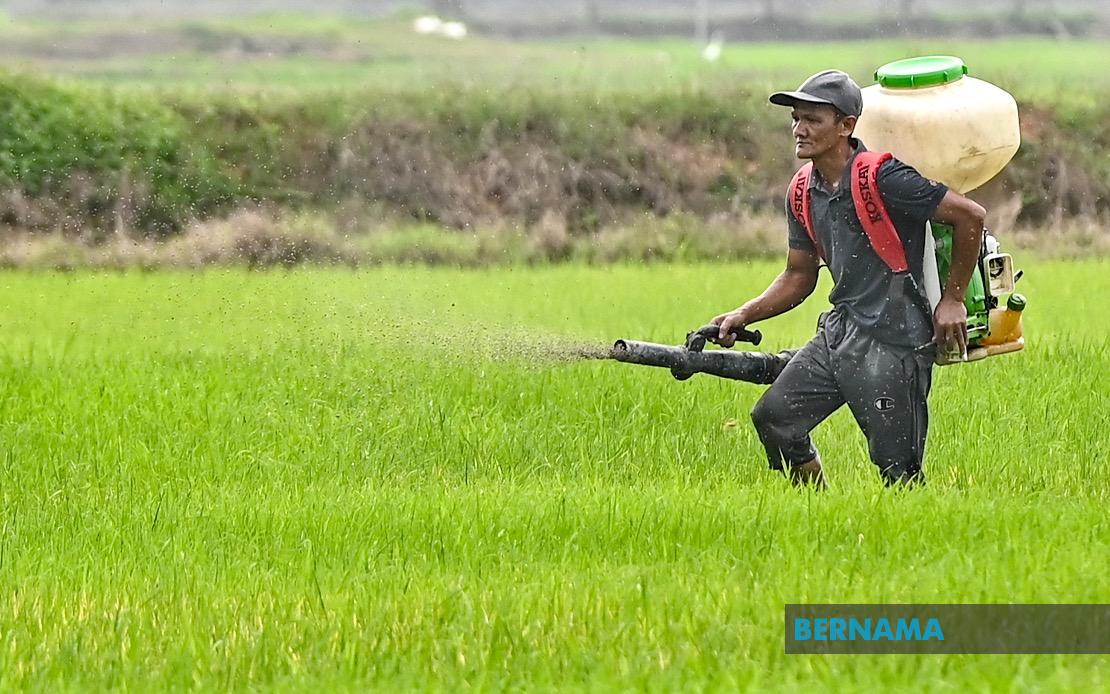
The Kelantan state government has unveiled an ambitious agricultural development programme worth RM3.64 million, demonstrating a concerted effort to revitalize the sector and enhance food production across the region. The initiative, detailed during the state assembly sitting at the Kota Darulnaim Complex in Kota Bharu, reflects mounting concern among state policymakers about sustaining rural livelihoods and achieving greater food self-sufficiency amid broader national economic challenges.
The programme comprises ten distinct development projects that span the entire agricultural value chain, from primary production through to market distribution. Datuk Tuan Mohd Saripudin Tuan Ismail, chairing the State Agriculture, Agro-Food Industry and Commodity Committee, outlined how the funds target multiple cropping systems including traditional padi cultivation, commercial commodity production, and high-value horticulture. This diversified approach reflects recognition that Kelantan's agricultural future depends on balancing time-honoured farming practices with modern commercial techniques capable of generating competitive returns for producers.
Among the most significant developments is the expansion of commercial operations through the Kelantan State Agriculture Development Corporation (PKPNK), which operates the Rong Chenok Agro Valley. This facility exemplifies the state's shift toward technology-enabled farming, with ongoing investments in chilli fertigation systems, honeydew melon cultivation, and hydroponic vegetable production. These methods promise higher yields per unit of land while reducing water consumption—a critical consideration in an era of climate variability. For smallholder farmers accustomed to conventional techniques, such facilities can serve as demonstration centers that build confidence in transitioning toward modern agricultural practices.
The livestock sector demonstrates particularly impressive engagement with the state's programmes, with more than 380 registered breeders participating in government-supported initiatives. These initiatives encompass diverse species including cattle, goats, sheep, deer, buffalo, and quail, with participants receiving both technical support and access to essential equipment. Livestock production represents a critical income source for rural families in Kelantan, offering opportunities to diversify beyond crop farming and provide more stable cash flows throughout the year. The inclusion of specialty species such as deer reflects entrepreneurial thinking about niche market opportunities that can command premium prices in domestic and export markets.
The fisheries and aquaculture sector has received particular attention, with the state channelling RM382,094 to support 122 registered breeders during the reference period. Kelantan's aquaculture output reached 7,901.74 tonnes valued at RM76.2 million in 2025, with the state government setting an ambitious production target of 8,000 tonnes for the current year. This aggressive expansion programme indicates confidence that regional demand for farmed fish and seafood continues to grow, driven by rising incomes and shifting dietary preferences throughout Southeast Asia. The state's investment in production infrastructure—particularly the establishment of more than 130 artificial hatcheries—creates the foundation necessary to achieve these targets sustainably.
The PKPNK's specialized hatchery operations underscore the technical sophistication now required for competitive aquaculture. The corporation operates at significant scale, with the capacity to produce up to one million catfish fry and 500,000 tilapia fry annually. Additionally, its white prawn production facility at Pantai Geting in Tumpat generates approximately 400,000 kilogrammes annually, establishing Kelantan as a substantial regional producer of premium seafood. These operations create employment across multiple skill levels while reducing the state's reliance on farmed seafood imports and generating valuable foreign exchange earnings through export sales.
Meanwhile, the state has invested substantially in capturing market value through cooperative infrastructure and entrepreneur support programmes. As of June, approximately 1,560 entrepreneurs had gained access to 74 marketing infrastructure facilities and 99 retail outlets established by the government. These facilities bridge a critical gap in the agricultural supply chain, enabling smallholder producers to reach consumers directly and retain higher proportions of retail margins rather than surrendering them to intermediaries. The Kota Bharu Rural Transformation Centre (RTC) exemplifies this approach, functioning as an integrated agro-food marketing and distribution hub that has provided business space to approximately 800 entrepreneurs since its establishment.
The RTC's financial performance provides compelling evidence of the model's effectiveness. From its inception in 2012 through 2025, the center generated cumulative sales totaling RM4.16 billion, averaging approximately RM346 million annually across recent years. This substantial volume indicates robust consumer demand for locally-produced agricultural products and the viability of creating structured market access for rural producers. Beyond individual business success, such achievements signal to other Malaysian states the potential returns from investing in agricultural marketing infrastructure rather than focusing exclusively on production subsidies.
Kelantan's comprehensive agricultural strategy reflects a sophisticated understanding that achieving food security requires simultaneous attention to multiple dimensions: increasing production capacity through technology transfer, supporting producer incomes through market access improvements, and building specialized supply chains for high-value products. The allocation of RM3.64 million, while modest by national standards, demonstrates political commitment to the sector amid broader economic pressures competing for state resources. For other Malaysian states facing similar agricultural challenges, Kelantan's experience offers valuable lessons about coordinated investment across production, infrastructure, and marketing components.
The programme also carries implications for Malaysia's broader food security objectives amid regional agricultural transformation. As neighboring countries increasingly mechanize production and shift toward export-oriented models, states like Kelantan must identify sustainable competitive advantages. The emphasis on specialty crops, aquaculture innovation, and direct market linkages positions Kelantan to serve premium domestic market segments rather than competing on volume with larger regional producers. This positioning may ultimately prove more economically resilient while preserving the rural character and smallholder-dependent agricultural structure that characterizes the state.
Government officials will likely monitor these initiatives closely to assess which components deliver measurable returns on investment. Success in expanding aquaculture output, increasing crop yields through modern techniques, and broadening market access for rural entrepreneurs could justify expanded allocations in subsequent budget cycles. Conversely, challenges in adoption of new technologies or market saturation in specific commodity categories may require programme adjustments. The state assembly's engagement with these details suggests that Kelantan's leadership intends systematic evaluation rather than ad-hoc programme management, improving prospects for sustained impact.

