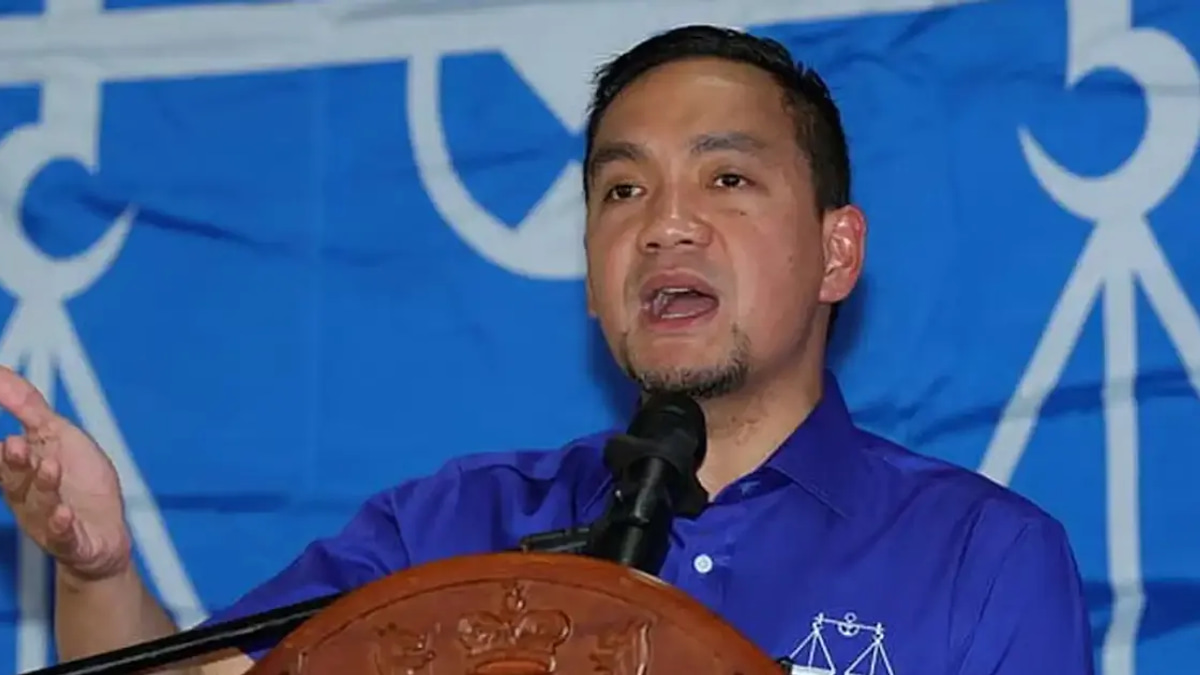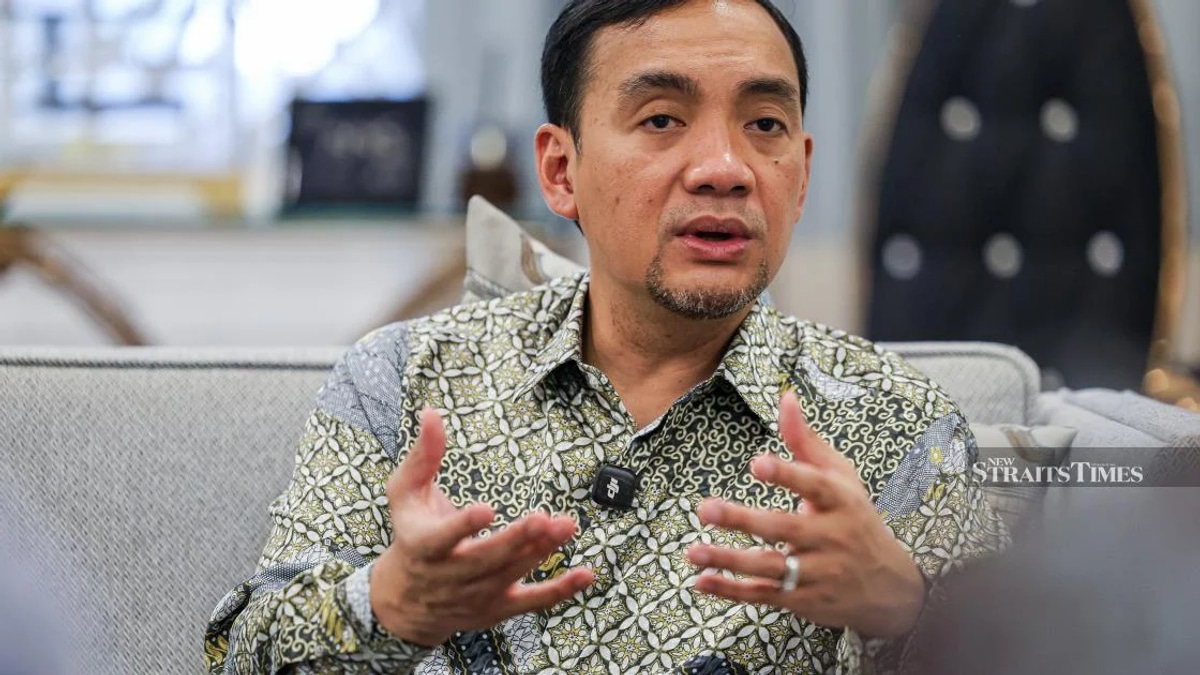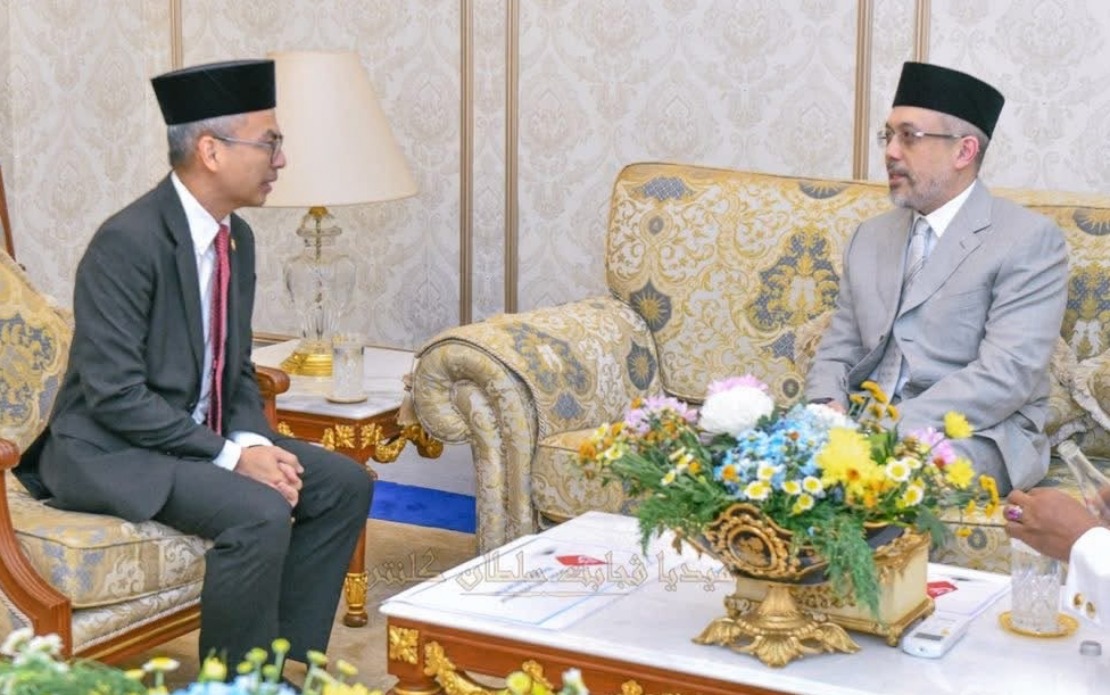
Kelantan's Crown Prince Tengku Muhammad Fakhry Petra held an official audience with Communications Minister Datuk Fahmi Fadzil at Kota Lama Palace in Kota Bharu, underscoring the growing concern about online misinformation and its potential impact on Malaysia's highest constitutional institutions. The meeting, which took place over approximately an hour, reflected the heightened attention state-level leadership is now paying to the challenges posed by coordinated inauthentic behaviour on social media platforms.
The engagement served as a formal briefing session in which Fahmi presented the Crown Prince with updates on the Communications Ministry's current operations and strategic priorities. The scope of discussion extended beyond routine administrative updates to encompass substantive policy challenges that have increasingly occupied the attention of federal authorities in recent months.
At the heart of the meeting lay concerns about the proliferation of fraudulent social media accounts designed to disseminate misleading information and damaging content specifically targeting the Malaysian Royal Institution. This issue has become a focal point for government action, reflecting recognition that falsehoods about constitutional monarchy—a cornerstone of Malaysia's political system—can undermine public confidence and social cohesion. The prevalence of fake accounts operating across platforms like Facebook, Twitter, and TikTok has created particular vulnerability for sensitive subjects that command deep cultural and constitutional significance within Malaysian society.
The problem of coordinated inauthentic networks represents a multifaceted challenge extending beyond simple factual accuracy. When false narratives gain traction through amplified distribution on social media, they can distort public perception and create political friction even when quickly debunked. The Communications Ministry's engagement with state-level leadership suggests an effort to build institutional consensus around combating these threats through coordinated action across government levels.
Fahmi's decision to personally visit Kota Bharu and seek the Crown Prince's audience demonstrates the political importance attached to addressing misinformation targeting royal institutions. Such protocol-conscious engagement signals that the ministry regards this challenge as sufficiently serious to warrant direct communication with senior state leadership, rather than routine administrative channels. For Kelantan, a state with its own royal administration and significant cultural importance in Malaysia's constitutional framework, the visit underscored federal commitment to protecting the reputation and dignity of all sultanates.
The meeting included presentations of the Communications Ministry's operational scope and contemporary challenges within its portfolio. Beyond the fake accounts issue, the broader landscape of digital communications—including emerging technologies, platform governance, and content moderation standards—likely featured in discussions. The ministry has increasingly assumed responsibility for coordinating Malaysia's response to digital misinformation, making such stakeholder engagement integral to developing coherent policy responses.
Fahmi was accompanied by senior officials including his Senior Private Secretary MohamadAsif Afifi Mohd Yusof and the ministerial accompanying officer Tuan Ahmad Afifi Hamdan Tuan Aziz, reflecting the formal nature of the visit. The ministry's representation of appropriate seniority and expertise indicated this was more than a courtesy call, but rather substantive engagement on policy matters requiring informed discussion. The presence of staff from the minister's office suggested documentation and follow-up coordination would accompany the audience.
The Crown Prince's court hosted senior officials from the Kelantan Sultan's Office, ensuring state-level participation in understanding the federal government's approach to online misinformation. This multi-level engagement created space for dialogue about how royal institutions at state and federal levels might coordinate responses to reputational threats on social media. Given that fabricated accounts often blur boundaries between different states' and the federal monarchy's legitimate interests, such coordination becomes strategically valuable.
The protocol element of presenting a memento reflected the ceremonial dimensions of official state engagement while reinforcing the respect inherent in direct communication between senior federal and state leadership. Tengku Muhammad Fakhry Petra's willingness to dedicate time to this discussion signalled state-level acknowledgment of the seriousness with which federal authorities now treat digital misinformation affecting constitutional institutions. For observers of Malaysian governance, such engagement suggests the fake accounts problem has graduated from a technical issue for platform companies to address, into a matter requiring coordination between different levels of elected and constitutional leadership.
The concluding social gathering and photograph session, though informal in character, served to document the constructive nature of federal-state cooperation on this issue. In Malaysia's federal system, such visible cooperation on sensitive matters can reassure both state governments and the general public that institutional channels exist for addressing emerging threats to constitutional order and institutional dignity. The engagement model demonstrated—senior federal officials visiting state capitals to brief royal leadership—may establish a template for how the Communications Ministry intends to build broader buy-in for its misinformation response strategies across Malaysia's sultanates and federal territories.
For Communications Minister Fahmi, the visit represented an opportunity to position his ministry as proactively addressing concerns shared by royal institutions about digital content ecosystems. As misinformation campaigns targeting constitutional monarchies have become more sophisticated globally, Malaysia's approach through direct engagement with royal leadership offers a distinctive model reflecting the constitutional primacy of the institution of the monarchy in Malaysian governance and national identity.