The cabin environment during flight creates a hostile landscape for skin health, with humidity levels plummeting to between 10 and 20 percent—far below the 40 to 60 percent moisture content found in typical environments on the ground. This dramatic shift triggers accelerated transepidermal water loss, where the skin's outer barrier becomes unable to retain moisture effectively. For passengers embarking on long-haul journeys across Asia, Europe, or beyond, the effects can accumulate significantly, potentially leading to pronounced tightness, visible dehydration, and a dull, compromised complexion by the time the aircraft lands.
Understanding the physiological response to cabin conditions provides crucial context for Malaysia-based travellers, many of whom regularly undertake extensive flights for business or leisure. The pressurised cabin environment exacerbates natural skin vulnerabilities, meaning that passengers with pre-existing sensitivity or barrier dysfunction face compounded challenges. Short regional flights to Singapore or Bangkok present manageable challenges, but ultra-long-haul routes to Europe or the Americas demand more strategic intervention. Dermatological professionals emphasise that effective in-flight skincare extends beyond the journey itself, requiring deliberate preparation before boarding and comprehensive aftercare upon arrival.
The foundation of successful in-flight skin management involves strategic preparation in the days preceding travel. Rather than adopting the elaborate multi-step routines increasingly showcased across social media platforms, dermatologists advocate for deliberately simplifying skincare protocols and eliminating potentially problematic ingredients. This means temporarily discontinuing active ingredients including alpha-hydroxy acids, beta-hydroxy acids, and retinol compounds—ideally 24 to 48 hours before departure. Although individuals accustomed to managing oily skin may feel hesitant about shifting their routine, the concentrated dryness experienced at altitude overwhelms any benefit from these typically efficacious actives, making their temporary suspension strategically sound.
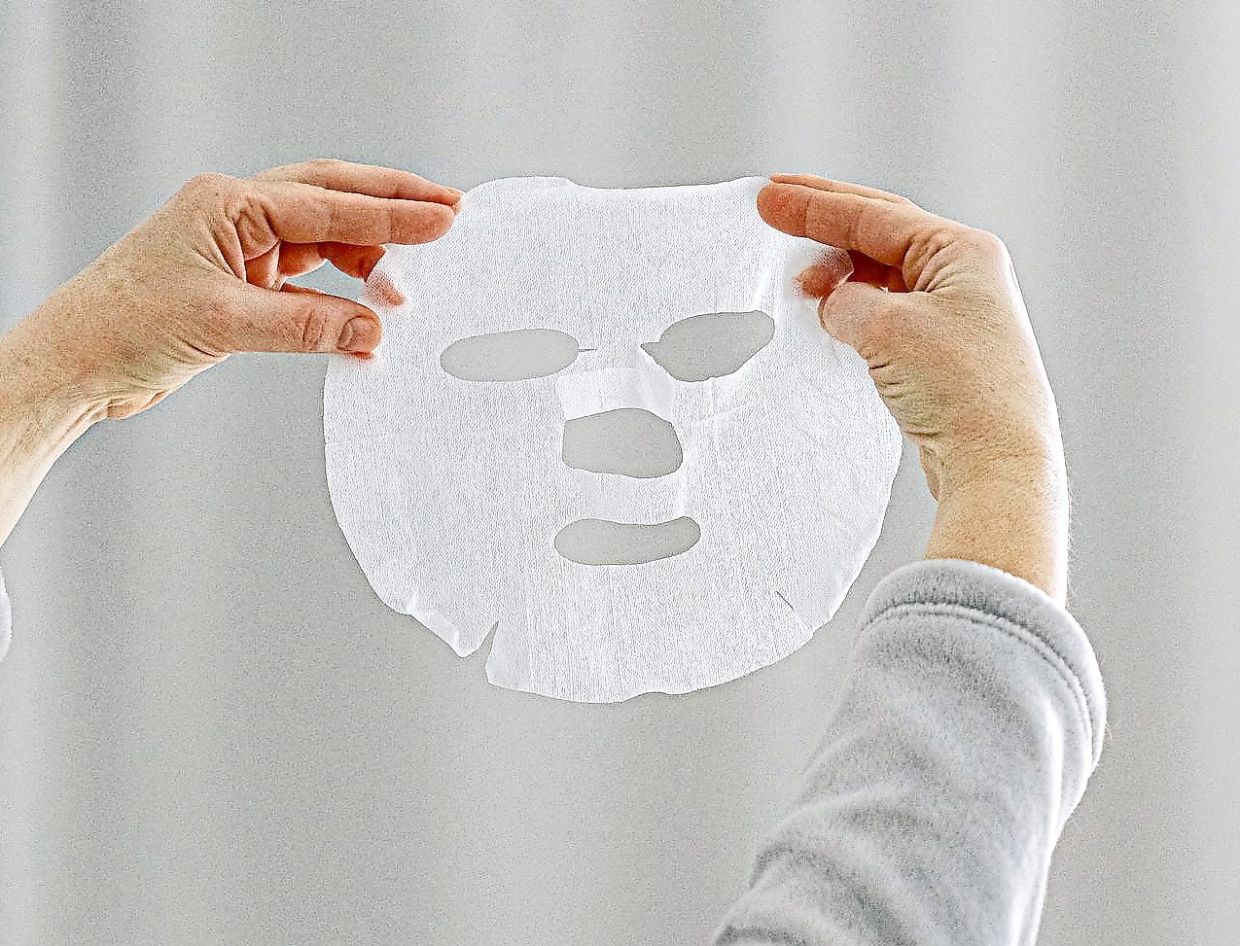
The appeal of elaborate facial treatments at 10,000 metres—hydrating masks, serums layered in specific sequences, and comprehensive multi-component regimens—reflects social media trends rather than dermatological best practice. While such routines may appear visually compelling when documented for online audiences, practical and hygienic considerations render them impractical within the confined aircraft environment. Dermatologists instead champion minimalist approaches that achieve superior outcomes through focused simplicity. A basic cleansing protocol using micellar water applied to cotton pads, followed by targeted hydration and barrier protection, accomplishes more than elaborate treatment sequences while maintaining sanitary standards appropriate to shared aircraft spaces.
Hydration-focused products featuring humectant compounds represent the cornerstone of effective in-flight skincare protocols. Glycerin and hyaluronic acid function as water-attracting substances that enhance the skin's capacity to absorb and retain moisture from both topical applications and the surrounding environment. These ingredients have demonstrated consistent efficacy across diverse skin types and conditions, making them universally suitable for airline passengers. Panthenol offers complementary moisturising benefits, while emerging ingredients such as Ectoin provide both barrier-enhancing and anti-inflammatory properties. Ceramides, which receive considerable attention in contemporary skincare discourse, contribute meaningfully to barrier repair and maintenance, though dermatologists emphasise that virtually any moisturiser provides superior protection compared to proceeding without one.
The application sequence during flight requires equal attention to product selection itself. Following basic cleansing, passengers should apply a lightweight hydrating serum containing hyaluronic acid or glycerin while the skin remains slightly damp—this timing optimises the serum's ability to draw moisture into skin layers. Subsequently, a richer moisturiser creates an occlusive barrier that prevents the hydration absorbed by humectants from evaporating into the exceptionally dry cabin atmosphere. This two-step approach—hydration followed by sealing—specifically counteracts the transepidermal water loss mechanism accelerated by cabin conditions. Without the secondary occlusive step, humectants cannot achieve their full protective potential, rendering the serum alone insufficient for the severity of the cabin environment.
Sunscreen application during daytime flights merits specific consideration for Southeast Asian travellers, given the region's intense UV exposure and the cumulative damage from frequent air travel. Reapplication every four to five hours throughout the flight maintains photoprotection, though dermatologists emphasise that the most critical moment arrives immediately before deplaning—when passengers transition from the pressurised cabin directly into tropical sunshine or other high-UV environments. Applying or reapplying sunscreen before exiting the aircraft creates a protective barrier before skin encounters the environmental stressors awaiting at the destination, preventing the compounding damage that occurs when already-compromised, dehydrated skin faces intensive solar radiation.
Systemic hydration—water consumption during the flight—works synergistically with topical interventions to support skin health at altitude. However, the effectiveness of internal hydration remains limited without simultaneous external moisturisation, as the cabin's extreme dryness overwhelms the skin's capacity to retain internally-sourced moisture. Passengers should simultaneously minimise factors that amplify dehydration, including alcohol consumption, which increases fluid loss through the kidneys, and salty snacks, which similarly promote dehydration. These dietary considerations, combined with consistent water intake, support the barrier function that topical products help establish and maintain.
Make-up application during flights presents a nuanced challenge requiring deliberate restraint. Light cosmetic coverage remains compatible with in-flight hydration protocols, but heavy foundation application or excessive layering risks compromising skin by creating occlusive barriers that prevent proper moisture absorption and cause congestion as the skin becomes increasingly dehydrated and reactive. Similarly, many passengers habitually employ make-up removal wipes during flights, believing this practice maintains cleanliness—yet these products paradoxically accelerate transepidermal water loss, intensifying the very dehydration passengers attempt to prevent. Micellar water applied with reusable cotton pads offers superior cleansing while minimising additional moisture disruption.
The period immediately following flight arrival requires sustained attention to skin recovery and barrier restoration. Passengers should maintain heightened moisturisation for 24 to 48 hours post-arrival, continuing the simplistic hydration-focused protocols established during travel. This aftercare phase acknowledges that skin barrier function does not immediately normalise upon landing; rather, gradual restoration occurs over subsequent days as ambient humidity and internal hydration status return to baseline. For Malaysian travellers returning from international journeys, this extended care window proves particularly valuable, as the transition from cabin dryness to tropical humidity creates an intermediate environment where skin remains vulnerable to reactive responses.
The growing prevalence of elaborate in-flight skincare routines across social media reflects both genuine passenger concern about air travel's dermatological effects and the entertainment appeal of visible skincare performance. However, this aesthetic preference diverges significantly from evidence-based dermatological guidance. The disconnect between Instagram-trending protocols and physician recommendations highlights broader patterns wherein visual complexity and social media engagement supersede practical efficacy. For Malaysian and Southeast Asian business travellers, frequent flyers managing multiple annual long-haul journeys, and leisure travellers prioritising skin health during holiday periods, understanding this distinction proves essential. Strategic simplicity—focused hydration, barrier protection, and deliberate avoidance of skin-stressing actives—delivers superior outcomes compared to ambitious multi-step routines that exceed the physiological capacity of compromised in-flight skin to benefit from complex interventions.

